

March 7, 2026
Rights Groups Raise Alarm as Tanzania pushes out Burundian refugees
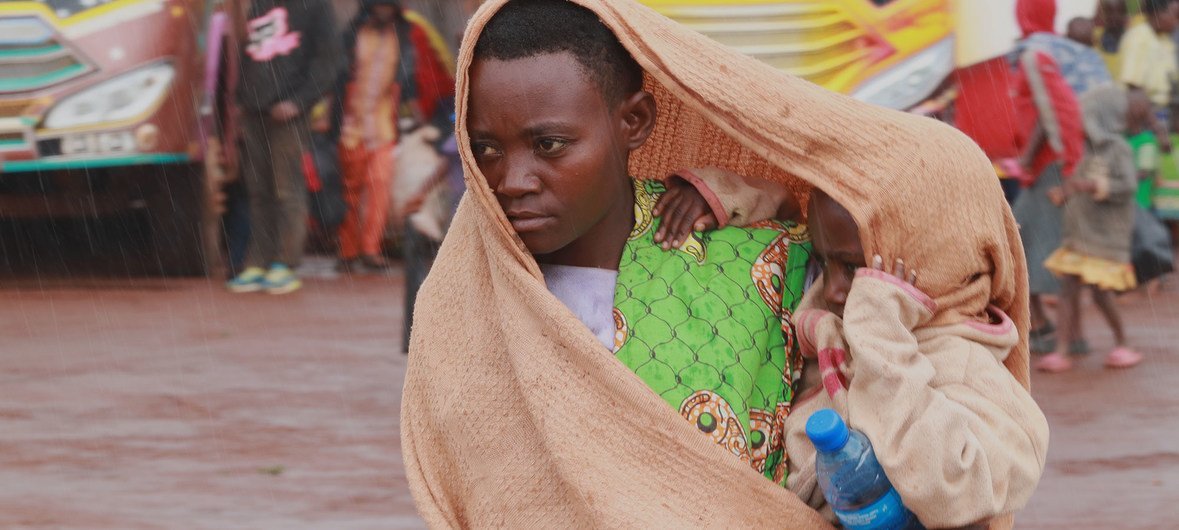
Tanzanian authorities have initiated a forceful campaign to dismantle refugee settlements housing thousands of Burundians, sparking international condemnation and concerns over human rights violations. Reports from the ground indicate that security forces are overseeing the systematic destruction of homes and community infrastructure in the Nduta and Nyarugusu camps to compel residents to return to Burundi.
The escalation follows an announcement by Burundi Interior Minister Leonidas Ndaruzaniye, who confirmed that more than 100,000 citizens are scheduled for repatriation by June 2026 under a bilateral agreement with Tanzania. As of late 2025, the United Nations Refugee Agency (UNHCR) estimated that 142,000 Burundians remained in these camps, many having lived in exile for years to escape political repression and economic instability.
Reports of Coercion and Destruction
Refugees describe a volatile environment where basic shelters and places of worship are being razed. Witnesses claim that authorities have utilized heavy timber to collapse the walls of adobe brick houses. Residents report that any attempt to resist these demolitions is met with the threat of violence from local police.
The crackdown has reportedly extended to essential services, with schools and hospitals being shuttered and refugees being barred from tending to their farms. Academic researchers have characterized these tactics as clear acts of illegal coercion. While some refugees have been registered as voluntary returnees, many argue that their consent is manufactured by the deliberate removal of their shelter and livelihoods.
International Response and Diplomatic Silence
The UNHCR has expressed serious concern regarding the mounting pressure placed on displaced populations. In official statements, the agency noted that the actions taken by Tanzanian authorities undermine the principle of voluntary repatriation. Despite these criticisms, Tanzanian officials have remained silent in response to inquiries regarding the methods used at the camps.
In contrast, Burundian government officials have dismissed allegations of forced returns. High ranking representatives in Gitega maintain that the country has become a haven of peace and assert that demolitions only affect the homes of those who have already chosen to leave. However, human rights activists continue to warn that those returning to Burundi face significant risks, including being targeted as dissidents by the current administration.
The situation leaves thousands of families in a precarious position, forced to choose between homelessness within the camps or returning to a country where their safety remains uncertain. Since the beginning of the year, approximately 28,000 people have been processed for return under the current repatriation framework.
