
May 4, 2026

In a period of accelerating geopolitical realignment, nations are rediscovering a simple truth: enduring partnerships are not built on transactions alone, but on shared values translated into shared interests.
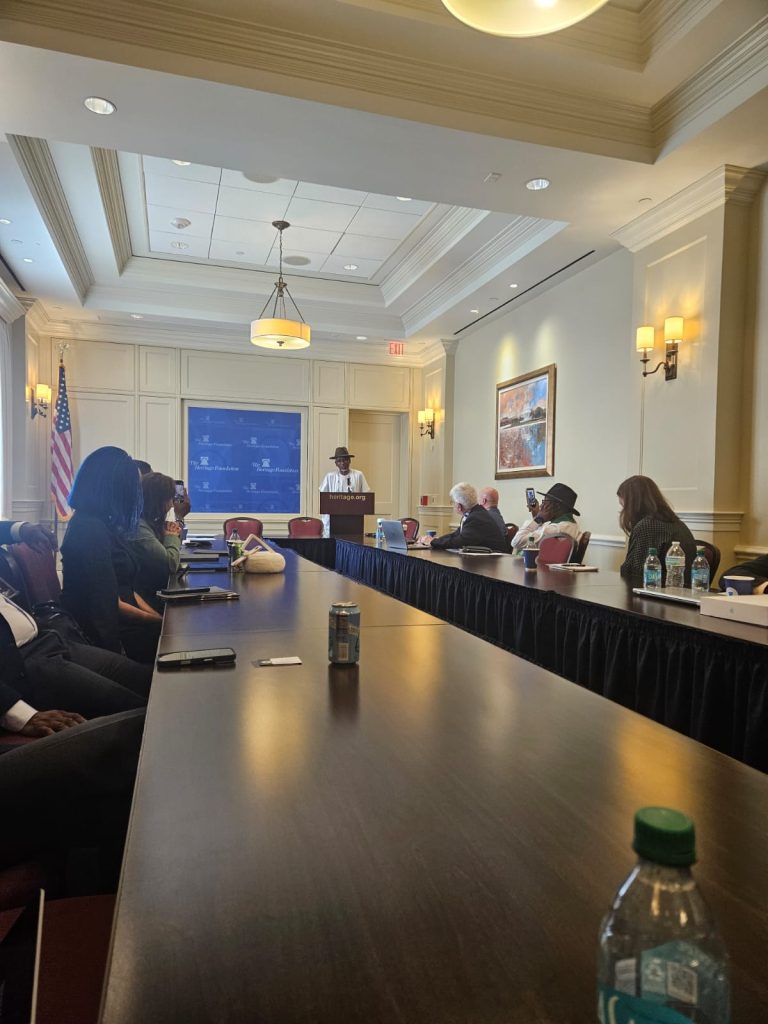
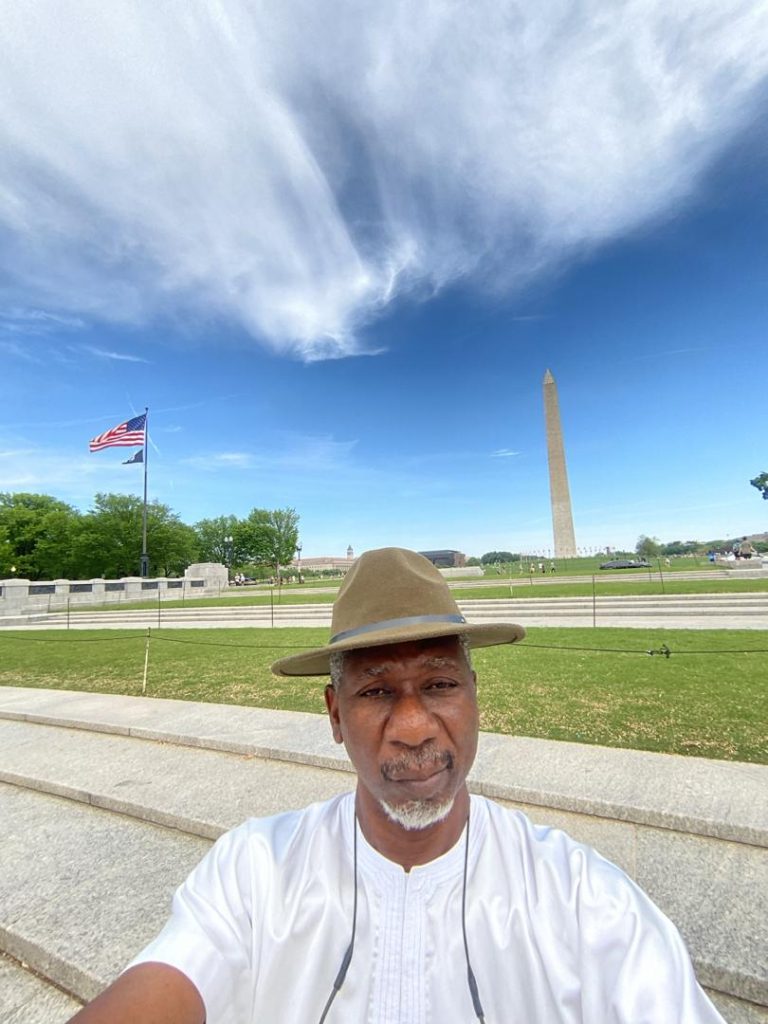
Last week’s Nigeria–U.S. Civil Society Dialogue at the Heritage Foundation in Washington, D.C. offered a timely illustration. The intervention by Rt. Hon. Jesse Okey-Joe Onuakalusi, anchored on the triad of Faith, Family, and Freedom, signalled an important shift away from narrow state-to-state engagement toward a more grounded, people-centred diplomacy.
Yet, if this framework is to rise above rhetoric, it must now be disciplined into strategy, one that links values to governance outcomes, economic opportunity, and institutional credibility.
From Values to Value Creation
Nigeria’s diplomatic engagements have often oscillated between high-level declarations and limited follow-through. The opportunity before us is to convert this emerging values-based narrative into a platform for economic diplomacy, where soft power reinforces hard outcomes.
“Faith, Family, and Freedom” must therefore be understood not only as moral anchors, but as policy instruments:
- Faith as social capital: driving trust, civic responsibility, and community resilienc
- Family as an economic unit: central to labour productivity, human capital formation, and social protection
- Freedom as an enabler of enterprise: underpinning innovation, mobility, and investment confidence
When framed this way, values cease to be abstract. Values become measurable drivers of development.

Policy Pathways for Strategic Impact
To translate this vision into durable Nigeria–U.S. cooperation, four policy pathways deserve urgent attention:
1. A Universal Language of Dignity Without Cultural Friction
While “Faith” is deeply personal, its public expression;justice, compassion, and the common good; is universal. Reframing diplomatic language around these shared ethical outcomes allows Nigeria to engage globally without cultural defensiveness or ideological rigidity.
For investors and partners, this signals predictability: a society governed by fairness and moral clarity is ultimately a safer destination for capital.
2. Expanding the Architecture of Participation
Diplomacy can no longer remain the preserve of state actors alone. A credible Nigeria–U.S. partnership must integrate:
- Youth innovators driving digital and creative economies
- Women-led enterprises shaping inclusive growth
- Grassroots actors translating policy into lived reality
This is not merely normative. It is economic. Inclusion broadens the base of productivity and strengthens policy legitimacy.
3. Embedding Values within a Rights-Based Economic Framework
“Family” and “Freedom” achieve policy relevance only when anchored in enforceable rights.
A contemporary interpretation should therefore emphasise:
- Child welfare and human capital investment
- Economic security and job creation
- Freedom from insecurity, physical and economic
- Regulatory clarity to support enterprise and innovation
Aligning these with Nigeria’s constitutional framework and international human rights standards provides a credible governance signal to global partners.
4. Local Ownership, Global Partnership
Sustainable diplomacy must be locally grounded. Nigeria must define its priorities, whether in rural security, energy transition, or industrialisation, while leveraging U.S. support in:
- Technical capacity
- Institutional strengthening
- Knowledge transfer
This “Nigeria-led, partner-supported” model avoids dependency and ensures that cooperation translates into tangible domestic outcomes.
A Strategic Moment That Must Not Be Missed
Rt. Hon. Onuakalusi’s intervention has opened an important window. But windows in diplomacy do not remain open indefinitely.
The real test lies in execution:
Can Nigeria institutionalise this framework?
Can it align values with economic strategy?
Can it move from dialogue to delivery?
If answered in the affirmative, this initiative could redefine Nigeria–U.S. relations. Redefined not merely as a security partnership, but as a values-driven economic alliance capable of delivering prosperity, stability, and shared progress.
The choice, ultimately, is not whether we believe in faith, family, and freedom. It is whether we are prepared to operationalise them.
by Collins Nweke