

March 7, 2026
Protesters in Abuja Chant ‘Death to America! Death to Israel!’ During March with Security Protection
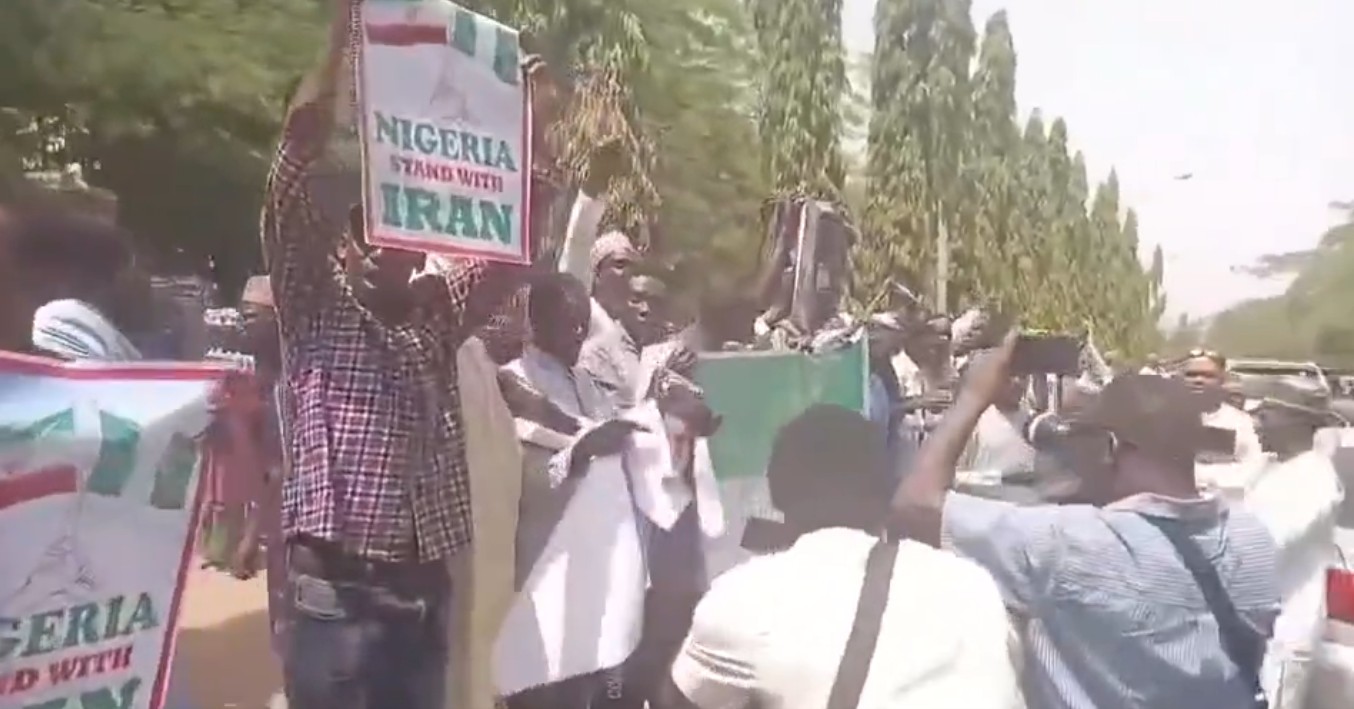
On March 7, 2026, crowds gathered in Nigeria’s capital, Abuja, for a demonstration that captured widespread attention online. Participants waved Iranian flags, carried portraits of Iran’s late Supreme Leader Ayatollah Ali Khamenei, and chanted slogans including “Death to America” and “Death to Israel.”
The event unfolded amid heightened global tensions following joint US and Israeli military strikes on Iran that reportedly killed the Supreme Leader on February 28.
The protest was organized by members of the Islamic Movement in Nigeria (IMN), a Shiite group led by Sheikh Ibrahim El-Zakzaky. The IMN has a history of staging solidarity actions with Iran and has faced previous clashes with Nigerian authorities. Demonstrators marched through parts of the city, stepping on and desecrating American and Israeli flags as expressions of outrage over foreign intervention in Iran.
A viral video shared on social media showed the scene, with the poster claiming the participants were supporters of President Bola Tinubu and received protection from security forces. This framing sparked heated online debate.
Many replies highlighted ethnic and regional divisions, with some users from southeastern Nigeria calling for Biafran independence and urging international intervention. Others pointed out inconsistencies in protest treatment, noting that domestic issues like insecurity, poverty, and governance failures rarely draw similar official tolerance or large-scale turnout.
The demonstration fits into a broader wave of IMN-led actions across northern states such as Kano, Kaduna, Sokoto, and Niger since early March. Protesters in those areas also expressed solidarity with Iran, condemned the strikes, and displayed anti-Western symbols. The US Embassy in Abuja had issued security alerts days earlier, warning citizens of potential unrest and even canceling visa appointments on March 4 due to fears of large gatherings.
This event underscores how distant international conflicts can reverberate locally in Nigeria, amplifying existing fractures along religious, ethnic, and political lines. While the IMN framed the protest as peaceful support for a fellow Muslim nation, critics viewed it as misplaced priorities amid pressing domestic challenges. The footage continues to fuel discussions about Nigeria’s place in global geopolitics and the selective nature of public expression and state response.
