

April 18, 2026
‘Poverty threatens us all, fueling migration’ – Tony Elumelu
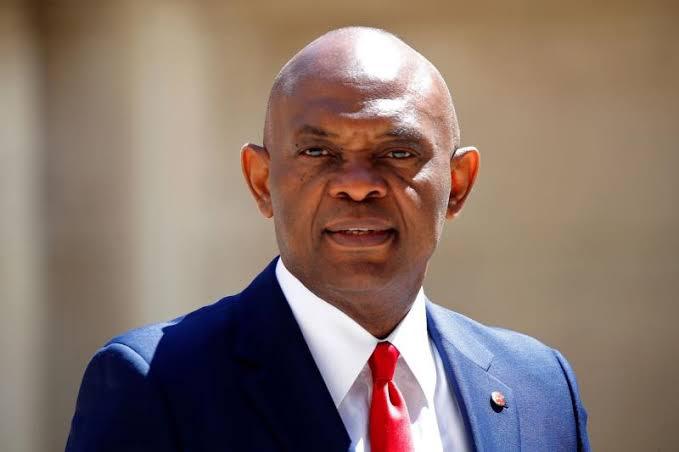

The comfortable borders of the developed world offer no true protection against the tidal wave of global poverty. Tony Elumelu, the influential chairman of United Bank for Africa, has issued a blunt wake up call from the pages of Forbes Italia, arguing that the migration crisis currently straining international relations is merely a symptom of a much deeper rot. According to Elumelu, the dangerous treks across the Mediterranean are not choices made by the adventurous, but the inevitable results of a system that shuts millions out of the global economy.
The Migration Myth
While political debates often focus on border security and policy shifts, Elumelu points to a simpler, harsher reality. He argues that people who see a viable economic future at home do not risk their lives on the high seas. Migration, in his view, is the direct consequence of economic exclusion. When young people in Africa are denied the chance to build a life, the pressure to move becomes an unstoppable force that eventually affects every corner of the globe.
A Private Sector Revolution
Elumelu is not just pointing fingers at failing systems; he is putting $100 million of his own capital behind a different vision. Since 2019, the Tony Elumelu Foundation has been operating as a massive experiment in Africa led development. By providing $5,000 in non repayable seed capital and intensive training to young entrepreneurs, the foundation aims to replace the old model of international aid with one of self sufficiency.
- Job Creation: The program has already helped lift over 2.1 million people out of poverty.
- Economic Impact: Thousands of businesses have been launched, directly boosting local GDP and creating a “demonstration effect” that proves success can be achieved ethically.
- Sustainability: By focusing on the private sector, the foundation aims to reduce the continent’s long term dependence on foreign charity.
The Rural Breaking Point
The crisis is most acute in rural communities, where over 55% of the African population relies on agriculture. Elumelu identifies the lack of rural infrastructure and agricultural productivity as the primary engine driving unemployment. Without jobs in these sectors, the youth have nowhere to turn but North.

Elumelu stresses that the 21st century cannot achieve peace or human dignity while such vast numbers of people are left behind. He is calling for a radical shift in how the world interacts with Africa, moving away from simple donations and toward sustained investment in the continent’s youth and rural economies. For Elumelu, the message is clear: if the world does not help create prosperity in Africa, it will continue to deal with the consequences of poverty at its own front door.