

March 15, 2026
Nigeria risks its own energy security to bail out Togo from a massive industrial power surge
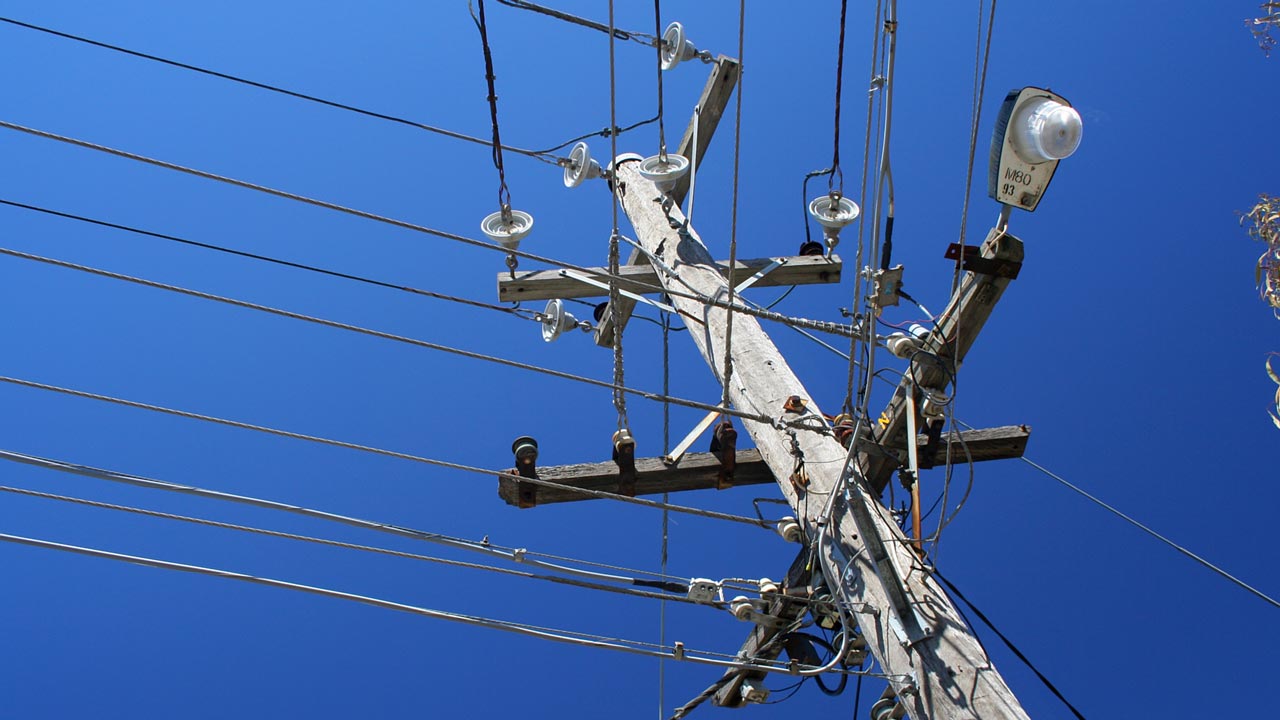
The stability of the West African power grid now rests on a delicate negotiation as Togo formalizes a desperate plea for Nigeria to ramp up its electricity exports. During high-stakes talks on Sunday, Jennifer Adighije, the managing director of the Niger Delta Power Holding Company (NDPHC), revealed that the Togolese national utility is seeking a significant increase in its current 75-megawatt-hour bilateral arrangement. This request comes at a time when Nigeria faces its own domestic pressures, yet the regional neighbor insists that Nigerian electrons are the only thing keeping their burgeoning industrial and commercial sectors from a total blackout.
The Director-General of Togo’s national utility, Débo-K’mba Barandao, led the visiting delegation with a clear message that their domestic demand has surged beyond the capacity of their local infrastructure. While he praised the consistency of the Nigerian supply in maintaining affordable power for Togolese households and public institutions, the subtext of the visit was one of urgent necessity. Barandao admitted that the current imports have played a “significant role” in sustaining Togo’s national grid, implying that any failure to increase the volume could stall the country’s economic expansion and leave newly connected consumers in the dark.
Despite the diplomatic warmth, the NDPHC is not offering a blank check. Adighije was firm in her response, stating that while Nigeria has the capacity through the National Integrated Power Project to support its neighbors, any expansion of the deal is strictly contingent on “bankable and sustainable” commercial terms. The Nigerian side is demanding credible financial guarantees and structured payment mechanisms to mitigate the inherent risks of cross-border trade. For Togo to get the extra power it needs, it must first prove it can pay for it in a way that safeguards Nigerian interests, setting the stage for a complex financial showdown within the Economic Community of West African States.
