

March 12, 2026
Namibia Tightens Borders Against Botswana Due to Livestock Disease Outbreak
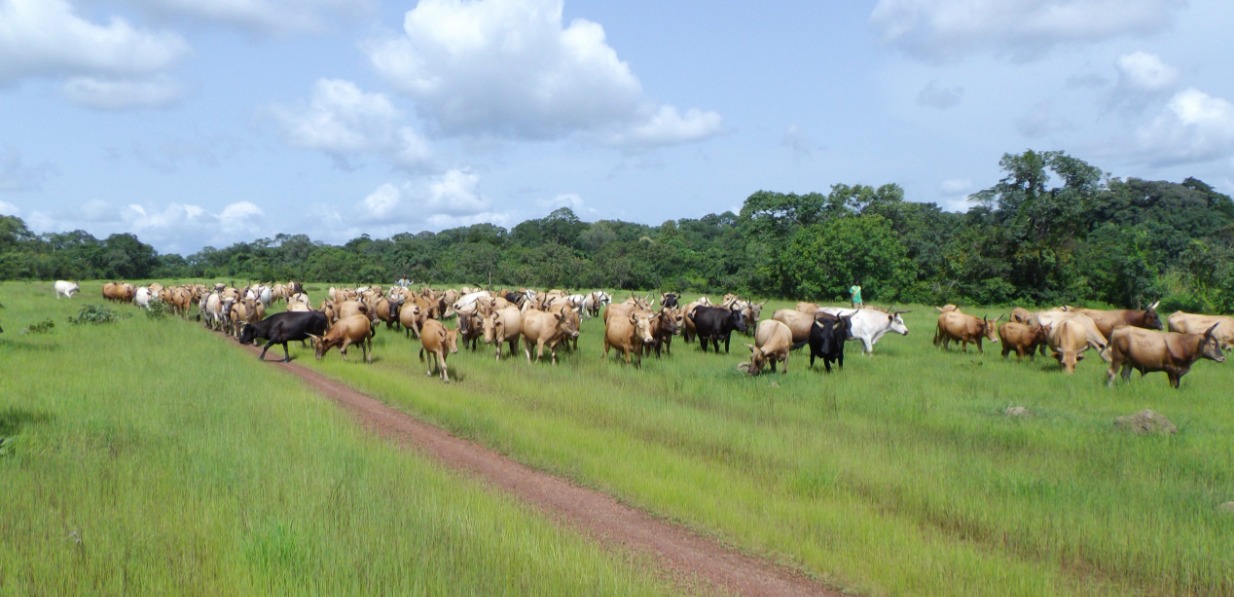

Namibian officials have implemented an immediate ban on the import and transit of cloven hoofed animals from Botswana following reports of a foot and mouth disease outbreak. This strategic move aims to safeguard the domestic agricultural sector from the highly contagious viral infection.
The Ministry of Agriculture, Fisheries, Water and Land Reform issued the directive through its Directorate of Veterinary Services on Wednesday. The new restrictions specifically target cattle, sheep, and goats originating from high risk zones identified by Botswana’s veterinary authorities. This ban extends beyond commercial shipments to include products intended for personal or household consumption.
Strategic Prevention Measures
The decision was prompted by official alerts from the World Organisation for Animal Health and a detailed report released by Botswana on March 4. To maintain biosecurity, Namibian authorities are prioritizing the containment of the virus, which is known for its ability to spread rapidly across herds and disrupt international trade.
While the ban covers several affected regions, the Ministry clarified that movement from specific low risk designated zones may still be allowed. In these cases, importers are required to secure a formal veterinary import permit from Namibian officials before any livestock or animal products enter the country.

By enforcing these strict border controls, Namibia seeks to protect its livestock industry and ensure the continued stability of its cross border agricultural economy.