March 25, 2026
John Mahama Challenges the West as United Nations Declares Slave Trade the World’s Gravest Crime Against Humanity
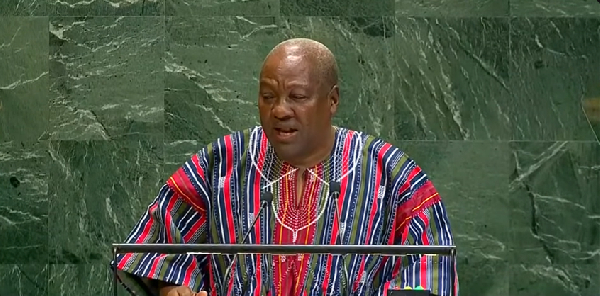

The United Nations General Assembly has ignited a fierce global debate after voting to officially recognize the slave trade as the most severe crime against humanity in history. This historic resolution, championed by former Ghanaian President John Mahama and the current administration in Accra, marks a turning point in the international push for restorative justice.
By securing this designation, the UN is now formally calling on member states to issue public apologies and contribute to a global reparations fund intended to address the systemic inequalities born from centuries of exploitation.
The vote revealed a stark divide between the Global South and several major Western powers. While 123 nations supported the measure, the United States, Israel, and Argentina cast the only dissenting votes. A significant group of 52 countries, including the United Kingdom and much of the European Union, chose to abstain. These nations have historically resisted financial liability, maintaining that modern institutions cannot be held accountable for the historical atrocities of their predecessors.
Former President John Mahama has been a vocal advocate for this reckoning, arguing that the legacy of slavery continues to hinder the economic potential of African nations. Ghanaian officials have clarified that the demand for compensation is not a request for direct cash transfers to politicians.

Instead, the focus is on establishing educational endowments, skills training programs, and infrastructure funds to empower the descendants of victims and repair the social fabric of affected regions.
This diplomatic victory follows years of intensifying pressure from the African Union, which made reparatory justice its central theme for 2025. With the United Nations now backing the designation of the slave trade as a supreme crime, the international community faces an unprecedented mandate to move beyond symbolic gestures.
The pressure is mounting on wealthy nations to engage in a formal dialogue regarding their historical debts or risk further alienating a global majority that is now demanding a tangible path toward healing and justice.