

July 8, 2026
Ghana vs. Pretoria: Inside the Diplomatic Rift Over South Africa’s Xenophobic Violence


Wed, 08 Jul 2026 Feature Article
Ghana vs. Pretoria: Inside the Diplomatic Rift Over South Africa’s Xenophobic Violence
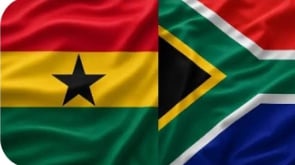
A diplomatic dispute between Ghana and South Africa has deepened in recent weeks after Accra pushed for the African Union to formally debate xenophobic attacks against African nationals in South Africa, a request Pretoria has publicly labelled “regrettable.”
The friction traces back to a wave of anti-immigrant sentiment that swept South Africa earlier this year, with grassroots vigilante groups setting a June 30, 2026 deadline for undocumented foreign nationals to leave the country and, in the process, generating incidents of injury, property destruction, and forced takeovers of foreign-owned businesses.
Ghana’s Ministry of Foreign Affairs responded on June 1 by issuing a formal travel advisory urging Ghanaian citizens to avoid non-essential travel to South Africa, citing those incidents directly. Accra went further, summoning South Africa’s envoy to lodge an official protest, initiating evacuations for Ghanaian citizens in affected areas, and formally requesting that the matter be placed on the agenda for debate at the African Union’s Mid-Year Coordination Summit in Cairo on June 24.
South Africa’s Department of International Relations and Cooperation (DIRCO) did not welcome the move. In an official statement responding to Ghana’s request, the department said it had “noted” Accra’s push for an AU debate on what Ghana termed “Xenophobic Attacks in the Republic of South Africa against African Nationals,” and stated plainly that South Africa “finds Ghana’s decision to escalate concerns about irregular migration to the African Union regrettable.” The statement argued that multilateral escalation of this kind risks sowing unnecessary division between African states rather than resolving the underlying issue through existing bilateral channels.
South Africa’s Minister of International Relations and Cooperation, Ronald Lamola, was the figure who articulated Pretoria’s position most directly, according to the DIRCO statement. Lamola pointed to the decades-long bilateral relationship between South Africa and both Ghana and Nigeria, coordinated at the presidential level through Bi-National Commissions, and invited his counterparts to address migration-related tensions through those established mechanisms instead.
He said President Ramaphosa remained committed to continuing those discussions through the BNC process later in the year, and closed with a broader appeal: “South Africa will continue to lead with a Pan-African heart. Our commitment is to solidarity, the rule of law, and the safety of all who reside within our borders. Migration must be managed through cooperation, compassion and continental responsibility.”
Notably, DIRCO’s statement did not simply dismiss Ghana’s concerns outright. It signaled that, should the AU agree to place the matter on its agenda, South Africa intends to counter by proposing its own agenda item examining the “push and pull factors of migration,” including governance, rule of law, and democracy across the continent, reframing the debate from one about South African xenophobia to one about the broader conditions driving migration into South Africa in the first place.
President Ramaphosa’s own public remarks, delivered on South Africa’s Freedom Day on April 27, took a notably more conciliatory tone than his ministry’s formal pushback, acknowledging the historic debt South Africa owes to the rest of the continent. “We did not walk alone into freedom,” Ramaphosa said, according to DIRCO’s own transcript.
“We were carried by a tide of solidarity from the nations of Africa, among many others. These countries opened their borders to our liberation fighters. They shared their bread and their homes.”
He went on to strongly condemn those who had “taken the law into their own hands” during the unrest, even as his government simultaneously pushed back against Ghana’s attempt to internationalize the issue at the AU level.
That gap, between Ramaphosa’s own acknowledgment of historical solidarity and his government’s irritation at Ghana’s diplomatic escalation, has not gone unnoticed in Ghanaian commentary. An opinion piece published in the Graphic in mid-June accused Ramaphosa of “deafening silence” on the attacks despite South Africa’s liberation having been sustained by exactly the kind of Pan-African solidarity, from Ghana in particular, that Nkrumah’s government extended to anti-apartheid activists through institutions like Accra’s International Student Hostel and London’s Ghana House.
The piece argued that Ramaphosa, as a former ANC figure who personally benefited from that continental support, could not credibly claim ignorance of the debt being invoked.
Later reporting from Ghanaian broadcasters indicated Ramaphosa addressed the nation directly on the migration crisis on June 7, acknowledging “weaknesses” in how South Africa had previously managed migration policy and promising “decisive” government action, while urging citizens not to “turn on each other” over the issue as the June 30 deadline for undocumented migrants approached.
Whether Ghana’s request ultimately reached the AU summit floor, and what, if anything, the AU resolved, remained unclear in the reporting reviewed for this piece a detail worth confirming directly with AU Commission communications before this goes to print.
https://www.graphic.com.gh/features/opinion/ghana-news-ramaphosa-remember-your-history.html
One more thing worth flagging: while fetching that page, I noticed a related Graphic Online headline that may actually be closer to what you originally meant “No visit for Ramaphosa Ghana rejects South African President’s request over xenophobic attacks”:
https://www.graphic.com.gh/news/general-news/no-visit-for-ramaphosa-ghana-rejects-south-african-presidents-request-over-xenophobic-attacks.html
Mustapha Bature Sallama.
Medical/ Science Communicator,
Private Investigator, Criminal investigation and Intelligence Analysis.
International Conflict Management and Peace Building.USIP
[email protected]
+233-555-275-880
References
GBC Ghana Online, “Ramaphosa vows border action as anti-immigrant tensions rise,” June 2026.
DIRCO (South Africa), “South Africa’s response to the request by the Republic of Ghana for a debate at the AU on the ‘Xenophobic Attacks in the Republic of South Africa against African Nationals,'” May 8, 2026.
Graphic Online, K. N. Adomako-Acheampong, “Ramaphosa, remember your history,” June 17, 2026.
The Presidency (South Africa), Freedom Day remarks by President Cyril Ramaphosa, April 27, 2026.

Mustapha Bature Sallama, © 2026
This Author has published 1463 articles on modernghana.com. More COE Hijama Healing Cupping therapy ,Mini MBA in Complimentary and Alternative Medicine .Naturopathy and Reflexologist. Private Investigation and Intelligence Analysis,International Conflict Management and Peace Building at USIP. Profession in Journalism at Aljazeera Media Institute, Social Media Journalism,Mobile Journalism, Investigative Journalism, Ethics of Journalism, Photojournalist, Medical and Science Columnist on Daily Graphic. Column: Mustapha Bature Sallama
Disclaimer: “The views expressed in this article are the author’s own and do not necessarily reflect ModernGhana official position. ModernGhana will not be responsible or liable for any inaccurate or incorrect statements in the contributions or columns here.”
Follow our WhatsApp channel for meaningful stories picked for your day.

Top Stories


<!–
–>
Originally published on www.modernghana.com
