

March 10, 2026
Ghana Tightens Border Controls with Ban on Land Transit for 9 Key Imports
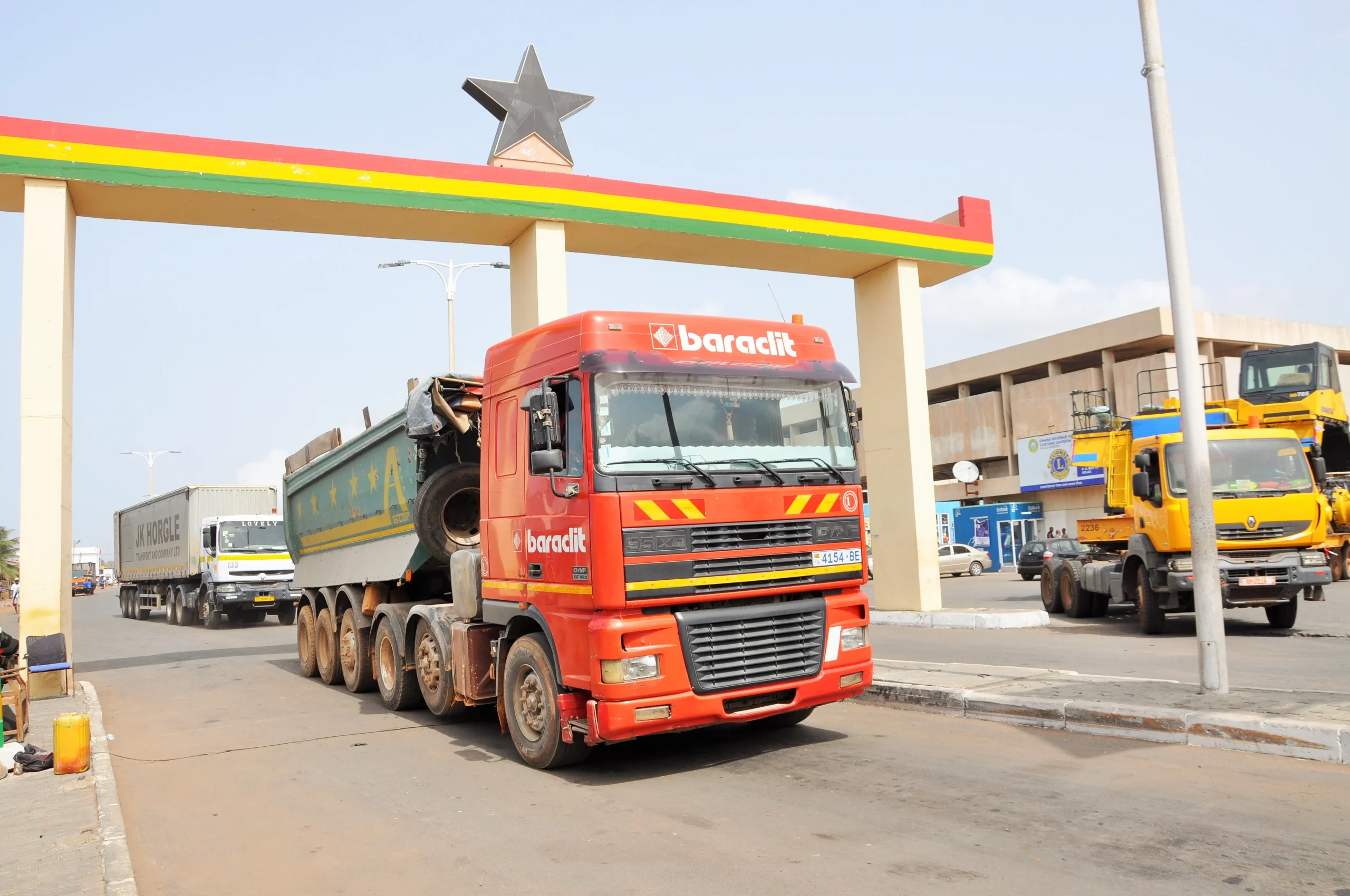
In a decisive step to protect national revenue and curb widespread smuggling, the Government of Ghana has imposed an immediate ban on the land transit of nine essential imported goods. Finance Minister Dr Cassiel Ato Forson announced the directive following a high-level meeting with Acting Commissioner of Customs Aaron Akanor and senior officials from the Customs Division of the Ghana Revenue Authority.
The policy requires that the affected products enter or transit through the country exclusively via seaports, where stronger oversight and valuation processes can be applied. The restricted items include cooking oil, rice, sugar, frozen products, textiles, flour, canned tomatoes, pasta and spaghetti, and pharmaceutical products.
Dr Forson explained that recurring revenue leakages have occurred through land borders, where goods declared for transit to neighboring landlocked countries are often diverted into the local market without proper duties paid. By mandating seaport routing, the government aims to close these loopholes, enhance customs intelligence, and safeguard vital state income needed for public services and development.
The minister also ordered the recentralization of the Customs Technical Services Bureau into a one-stop shop for valuation. This change will improve data sharing and integrate advanced tools like the Publican AI system to better detect irregularities and boost compliance among importers.
The measures build on earlier actions, such as restrictions on cooking oil transit, and reflect ongoing efforts to strengthen border enforcement. Officials emphasized strict compliance across all customs units, with the Acting Commissioner pledging full support to implement the changes effectively.
The new rules take effect immediately and mark a significant shift toward more secure and transparent import pathways for these high-demand consumer and health-related goods.
