

March 10, 2026
Ghana introduces new gold royalty regime despite opposition Despite Global Backlash
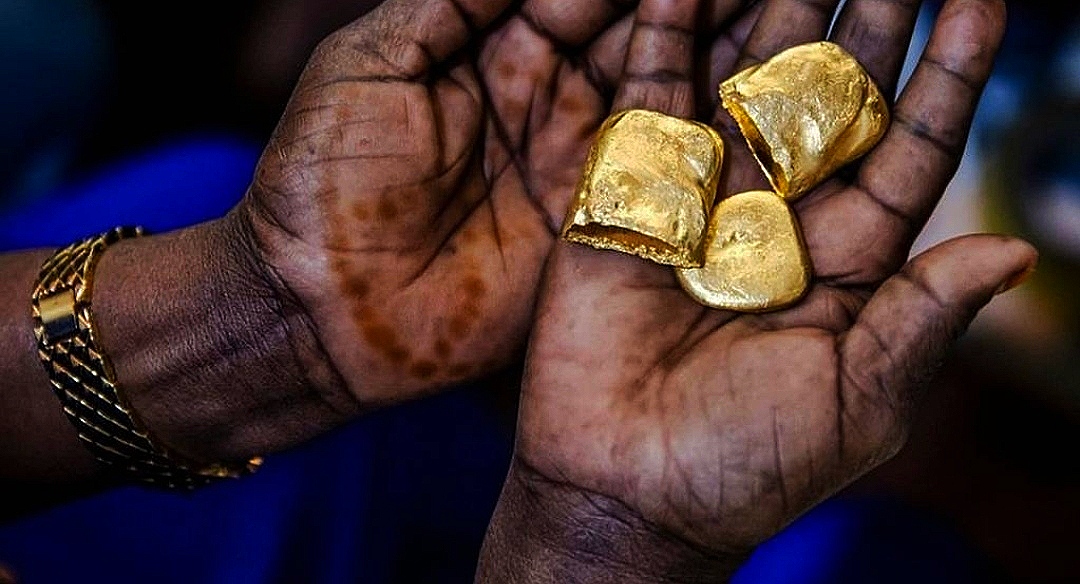
In a bold move to secure a larger share of its national mineral wealth, Ghana Africa’s leading gold producer has announced it will proceed with a significant increase in mineral royalties. The decision comes despite intense pressure from global superpowers and international mining executives.
Shifting to a Dynamic Royalty Scale
The Ghanaian government is moving away from its traditional flat 5% royalty rate. In its place, a new sliding scale will be implemented, allowing royalties to fluctuate between 3% and 12% based on current global gold prices. This legislative shift is a direct response to years of domestic criticism, as many Ghanaians feel that existing mining agreements have failed to provide tangible benefits to the population for decades.
A Wave of International Pushback
The announcement has triggered concern across the global mining sector. Major corporations and foreign governments argue that the hike will significantly squeeze profit margins and increase operational costs.
The diplomatic pressure has been widespread, with officials from the following nations engaging the Ghanaian government to voice their concerns:
- The United States and China
- The United Kingdom
- Canada, Australia, and South Africa
“Nothing is Changing”: A Resolute Stance
Despite these high-level interventions, the Ghanaian government remains undeterred. While officials have acknowledged the sentiments of their international partners, they have stated clearly that the royalty proposition remains firm.
To balance the impact, the government has suggested that subsequent policies may be introduced to ensure foreign companies still have a productive working experience in the country. However, the core decision to increase the nation’s take from its gold reserves is non-negotiable.
Reclaiming Sovereignty
For many ordinary citizens, the objections raised by foreign powers and mining giants evoke a sense of lingering imperialism. Public sentiment is largely supportive of the government, with many arguing that because the land belongs to Ghanaians, the nation must receive a more substantial percentage of the wealth generated from its resources.
Looking Ahead
With the government showing no sign of backing down, the new law is expected to come into effect in less than a week. This move represents a pivotal moment for Ghana as it seeks to redefine its relationship with the extractive industry and ensure its mineral wealth finally serves the interests of its people.
