

March 4, 2026
Exposed: Nigerian Terrorists Flaunt Activities on Social Media Amid Security Lapses
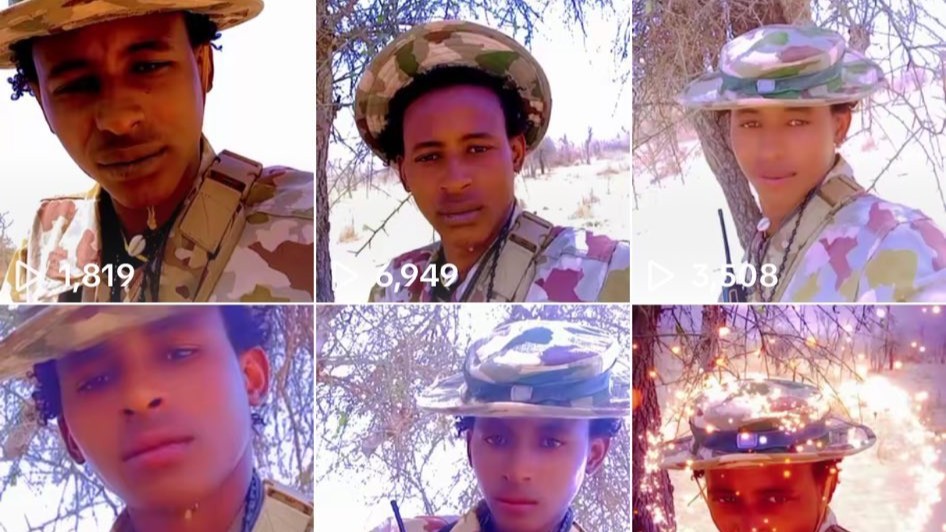
Several Nigerians are outraged by a bandit @umar.aa37 who has amassed over 5,000 followers while openly sharing videos and stories that reveal armed activities in forested areas.
This revelation came to light through a viral post by users on social media who mocked the Department of State Services (DSS) for its apparent inability to track and arrest the individual despite the public nature of the content.
The post circulating online, which includes screenshots of the bandit’s profile showing camouflage attire and potential location indicators, highlights a broader issue plaguing Nigeria’s northern region: persistent banditry involving raids, kidnappings, and impunity.
The security risks posed by such online presence are profound. Bandits not only boast about their exploits but also display ransom money collected from victims, as seen in various TikTok videos where they flaunt cash and weapons. This visibility allows them to intimidate communities, recruit followers, and coordinate operations using traceable platforms like X and WhatsApp.
Experts note that these groups operate from known locations and even upload real-time footage, providing ample opportunities for intelligence gathering through open-source methods.
Yet, the failure to act amplifies threats to public safety, enabling intermittent strikes that instill widespread fear. This scenario underscores the negligence of Nigeria’s security apparatus. Despite claims of awareness about bandit identities and locations, internal sabotage, corruption, and a weak judiciary hinder effective responses.
Intelligence experts assert that 99.9 percent of bandits are Nigerians, with compromises within the military and security agencies contributing to ongoing failures.
The government has been accused of selective enforcement, prioritizing critics over actual threats, while negotiations with criminals further erode authority. Residents often warn of impending attacks, but these alerts go unheeded, allowing terrorists to succeed. Such lapses not only perpetuate violence but also erode public trust in institutions meant to protect citizens.
As bandits evolve into social media influencers, the call for robust reforms grows louder. Investing in better intelligence, ending internal compromises, and enforcing strict no-negotiation policies could stem this tide. Until then, Nigeria’s security challenges remain a glaring testament to systemic shortcomings.

