

March 10, 2026
Cocoa Conversation: The Bitter Reality Behind the Chocolate Crisis
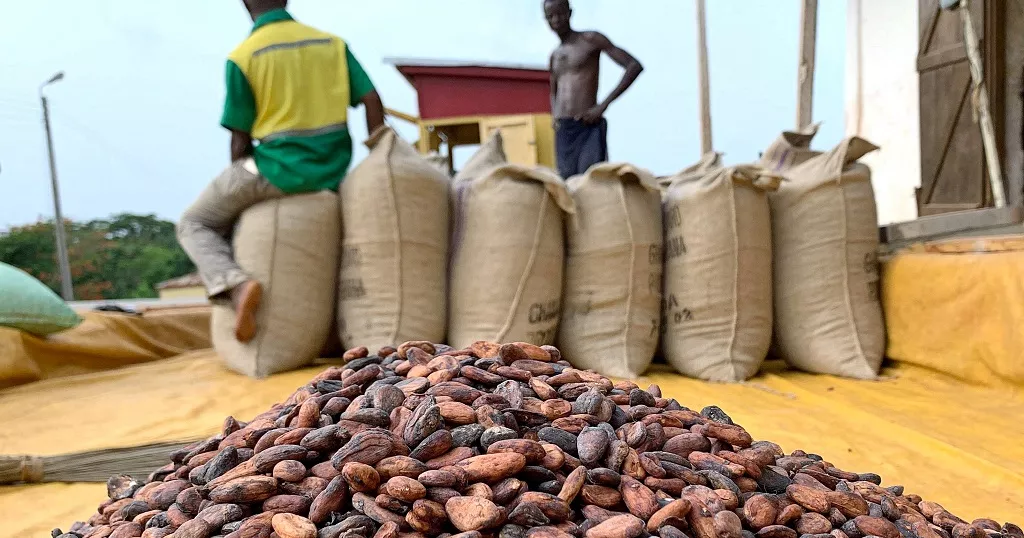

While chocolate prices have climbed to luxury levels globally over the last year, the farmers growing the essential cocoa beans in West Africa are facing a desperate financial collapse. Despite the high costs seen on supermarket shelves, many producers have not been paid for months, leading to tragic consequences in rural communities.
In the Ghanaian village of Suhenso, the atmosphere is heavy with grief. Akosua Frimpong, a 52 year old widow, recently lost her husband after she was unable to afford the medical care he required. She explains that the money she expected from her cocoa sales remains inaccessible, leaving her without any means of support.
A Market in Turmoil
The crisis stems from a volatile shift in the global market. After a massive surge in 2024, cocoa prices crashed unexpectedly. In Ghana and Ivory Coast, where the majority of the world’s cocoa is grown, state regulators set farmer’s prices a year in advance. Because of the sudden market drop, the beans from these regions are now roughly 40% more expensive than what international buyers are willing to pay.
Several factors contributed to this slump:

- A strong global harvest increased supply.
- High retail prices caused consumers to buy less chocolate.
- Manufacturers reduced the size of bars or used less cocoa in their recipes.
Struggling Regulatory Boards
The Ghana Cocoa Board, known as Cocobod, is currently carrying a debt of approximately $3 billion. The board originally promised farmers nearly $5,300 per tonne, but with international prices falling far below that mark, the financial gap has become unsustainable. In an effort to manage the crisis, executive management at Cocobod took a 20% pay cut in February.
Spokesperson Jerome Sam noted that while there have been significant payment delays affecting roughly 800,000 farmers, funds are finally being processed. However, the board has also been forced to slash the guaranteed price for future harvests to roughly $3,500 per tonne.
Rising Costs and Falling Income
For farmers like 62 year old Robert Addae, these price cuts are devastating. He points out that while his income is dropping, the cost of labor and farming supplies remains the same. Maintaining a single acre of cocoa in Ghana costs about $1,000, and many fear they will never see a return on their investment.

Cocoa is vital to the Ghanaian economy, representing 7% of the national income and 15% of foreign exchange earnings. To stabilize the industry, the government is looking into processing more raw beans within the country rather than exporting them for manufacturing elsewhere.
Regional Impact in Ivory Coast
The situation is equally dire in neighboring Ivory Coast, the world’s top producer. In towns like Bangolo, warehouses are overflowing with unsold sacks of beans. Agriculture Minister Bruno Kone recently announced that prices paid to farmers would be halved to encourage international sales and clear the backlog.
For Sella Aga Josiane, a mother of ten, the impact is personal. She has been unable to pay school fees, leading to some of her children being sent home. Another farmer, Ba Siba Fabrice, describes this as the worst crisis he has seen since he began farming in 2012. He emphasizes that for his family and many others, cocoa is not just a crop but their entire livelihood. Without payment for their harvest, peace and stability in these households have vanished.