

March 19, 2026
Burkina Faso triggers a massive food security crisis in Ghana by banning all tomato exports to fuel its own industrial revolution.
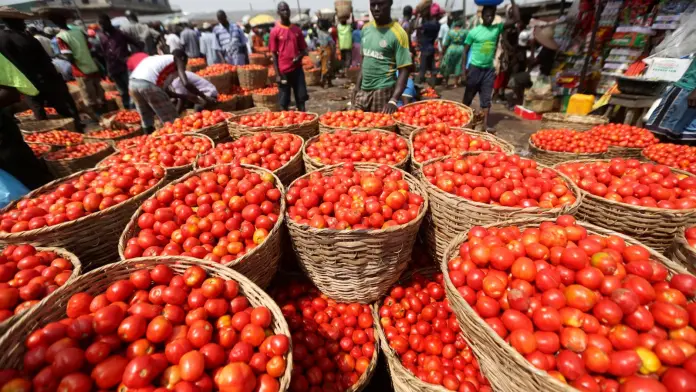
In a move that sends shockwaves through West African trade corridors, the Burkinabe government has officially slammed the door on fresh tomato exports to prioritize its domestic processing plants.
This sudden blockade, announced by Commerce Minister Serge Gnaniodem Poda and Agriculture Minister Commandant Ismaël Sombié, immediately revokes Special Export Authorizations and leaves Ghanaian traders with a narrow fourteen day window to clear existing shipments before all permits are permanently canceled. Any operator caught defying the order faces severe legal sanctions, with seized produce destined for local factories rather than international markets.
This protectionist shift marks a definitive turning point for Burkina Faso as it pivots toward industrial self sufficiency. The nation is rapidly scaling up its processing capabilities, led by the SOBTO plant in Dogona which has been operational since late 2024.
With a second massive facility in Tenkodogo nearing completion this month, Burkina Faso no longer intends to be the raw material supplier for its neighbors. Instead, the country is betting on its own infrastructure to convert harvests into high value paste, effectively cutting off the 90 percent of its tomato crop that traditionally flows into Ghana.
The timing of this export freeze adds a layer of geopolitical tension to an already strained relationship. It follows a tragic ambush in February 2026 where armed militants killed seven Ghanaian traders in northern Burkina Faso, highlighting the extreme risks inherent in the cross border trade route.
For Ghana, the stakes are staggering. The country currently pours over 400 million dollars annually into Burkinabe pockets to meet its local demand for tomatoes. This supply vacuum threatens to spike market prices across Ghana, potentially forcing a premature test of Accra’s new National Tomato Production Strategy which aims to slash imports and revitalize domestic farming by 2030.
