

March 6, 2026
Anthropic bags first African multi-sector government deal with Rwanda
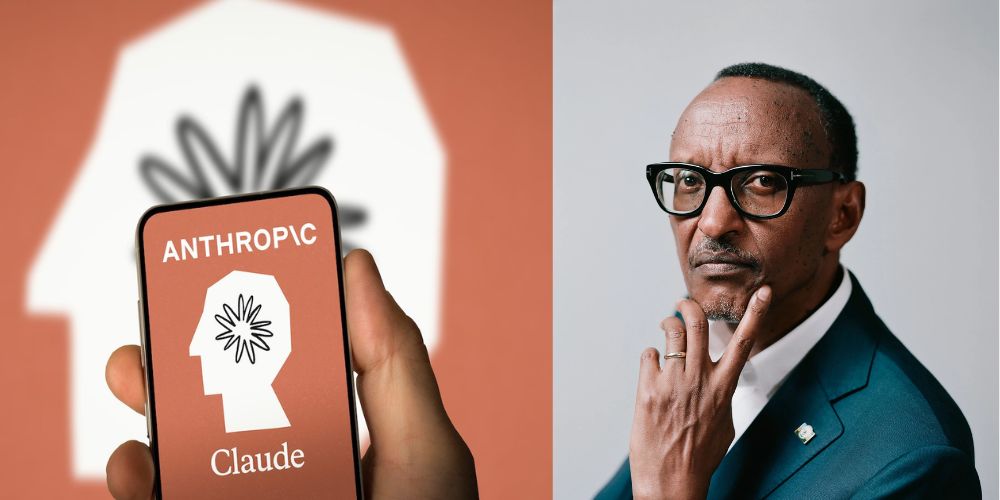

Anthropic, a leading US artificial intelligence company known for developing the Claude AI model, has entered into a landmark three year Memorandum of Understanding with the Government of Rwanda. Signed in February 2026, this agreement represents the firm’s first multi sector government partnership on the African continent.
The collaboration focuses on deploying advanced AI tools to support Rwanda’s national priorities in key public areas. In health, Claude will assist with diagnostics and data analysis to help eliminate cervical cancer, reduce malaria cases, and improve maternal health outcomes. Education receives a major boost through more than two thousand Claude Pro licenses for teachers, AI literacy programs for public servants, and the rollout of a Claude powered learning companion named Chidi for students. Public sector governance also benefits, with developer teams gaining access to Claude and Claude Code, along with API credits and training to automate administrative tasks, enhance policy decisions, and create localized AI applications.
This initiative builds on an earlier education focused partnership between Anthropic and Rwanda announced in late 2025. Rwanda aims to accelerate progress toward ambitious development goals by integrating safe and responsible AI across government systems.
The deal arrives amid contrasting pressures in the United States. In late February 2026, Anthropic adjusted its AI safety policy to permit limited military applications after discussions with the Pentagon. Company leadership, including CEO Dario Amodei, has stressed that such uses should support democratic defense needs while avoiding unrestricted or harmful scenarios like mass surveillance of citizens or autonomous weapons systems. These policy shifts reflect growing competitive and governmental demands on frontier AI firms.

Reactions to the Rwanda partnership vary. Supporters highlight Rwanda’s proactive vision for technology driven public good, positioning the country to leapfrog traditional barriers in healthcare and education. Critics, including activists from the Democratic Republic of Congo, express concern over potential ethical inconsistencies. They point to recent US sanctions on Rwanda’s defense forces related to regional conflicts and argue that providing advanced technology to certain governments risks complicity unless ethical standards remain consistent globally.
Overall, the agreement underscores a broader trend: while debates over AI governance intensify in Western capitals, African nations like Rwanda are forging ahead with practical deployments to address immediate societal challenges. The partnership could set a precedent for how frontier AI companies expand responsibly beyond traditional markets.