

March 22, 2026
An Ex Captive Of Boko Haram Claims The Red Cross Supplied Food Directly To Terrorist Leader Abubakar Shekau In Nigeria
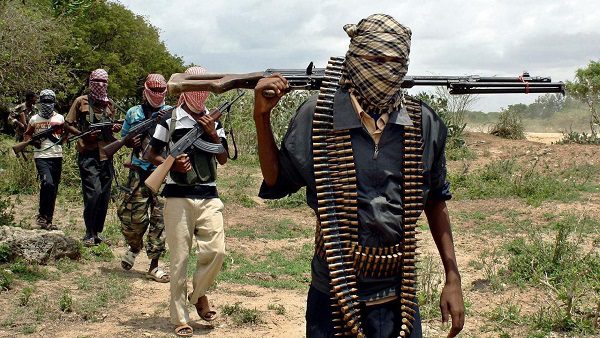
Shocking testimony from a former prisoner has surfaced regarding the inner workings of Boko Haram operations in Nigeria. The man, who recently escaped months of captivity, alleges that he witnessed the International Committee of the Red Cross delivering food and clothing to the insurgent group while they were entrenched in the notorious Sambisa Forest. These claims have sent shockwaves across social media, raising difficult questions about the nature of humanitarian aid in conflict zones.
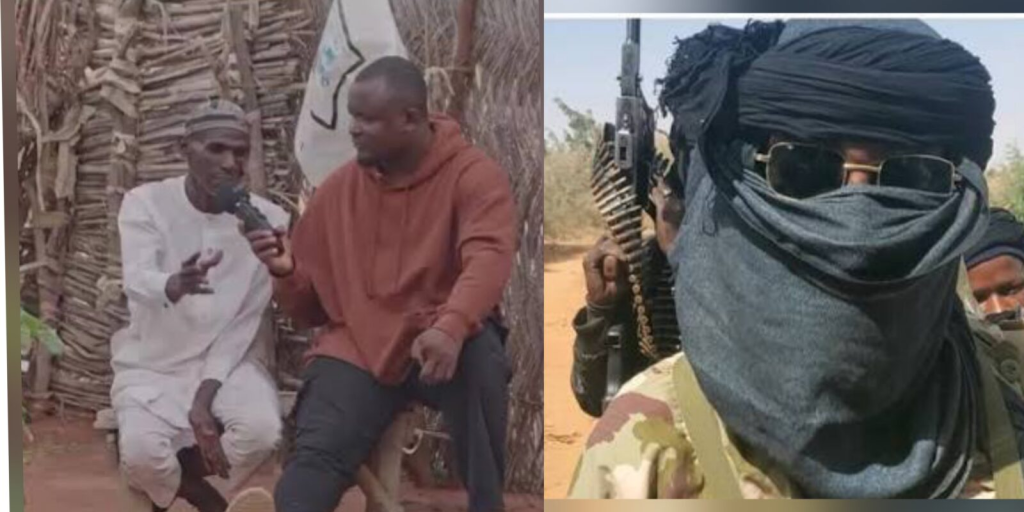
According to the survivor, the insurgent hideout was far from the primitive wilderness many imagine. He described a sophisticated encampment equipped with electricity, running water, a bustling marketplace, and a swimming pool. The witness claimed the facility was originally constructed decades ago during the military administration of Ibrahim Babangida. Within the perimeter, captives were allegedly permitted to speak in Arabic or Hausa, though the use of English was strictly forbidden by the militants.
While the witness noted that basic needs were met within the camp, he emphasized the psychological toll of being separated from his family. He explained that although hunger was not an issue, the lack of freedom and the inability to see his children made the experience agonizing. This portrait of a well supplied terrorist stronghold contradicts many public perceptions of the group’s living conditions during the height of their insurgency.
The Red Cross has historically maintained a policy of neutrality to provide aid to civilians in high risk areas, yet they have not confirmed any direct delivery of supplies to the fighters. As of now, the allegations remains unverified by official sources or independent investigators. Abubakar Shekau, the leader mentioned in the account, was reported killed in 2021, but this viral testimony has reignited intense debate regarding external support for extremist factions in the North East region of Nigeria.
