
March 4, 2026
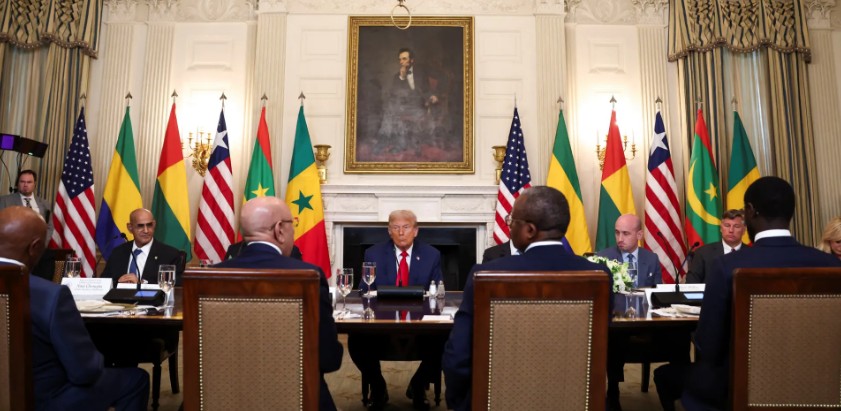

The landscape of international health diplomacy is shifting as 19 African nations have officially entered into bilateral health agreements with the United States. These partnerships, established under President Donald Trump’s America First Global Health Strategy, present a complex trade-off between urgent financial support and national sovereignty.
While the agreements pledge billions of dollars toward strengthening health infrastructure and eradicating infectious diseases, they come with significant prerequisites. To access these funds, participating nations must agree to comprehensive data-sharing protocols, which include the rapid reporting of public health metrics and disease surveillance to U.S. agencies.
A Growing Skepticism
Despite the allure of substantial funding, several nations are questioning the long-term implications of these commitments. The concerns primarily center on the protection of national resources and the privacy of citizen data.
- Zambia: Negotiations have reached a standstill as officials investigate whether the health pact could inadvertently grant the U.S. government leverage over the country’s significant copper and cobalt reserves.
- Zimbabwe: Authorities withdrew from discussions entirely. Their primary objection was a requirement to share pathogen samples without a legal guarantee that Zimbabwean citizens would receive any direct benefits or medical advancements derived from that data.
- Kenya: While the government sought to move forward with the partnership, the High Court intervened. The court suspended the deal to conduct a formal review of how the sensitive health data of Kenyan citizens would be managed and protected.
The Sovereignty Debate
As more countries join the initiative, a continent-wide debate is intensifying. African leaders and civil society groups are weighing the desperate need for medical investment against the risks of data exploitation.

The central question remains whether these financial injections are worth the potential loss of control over national health statistics and biological resources. For many critics, the strategy feels less like a partnership and more like a modern iteration of historical patterns where aid is inextricably linked to the extraction of valuable assets.