

July 30, 2026
Parliament passes Ghana Cocoa Board Bill to guarantee farmers 70% of cocoa export price
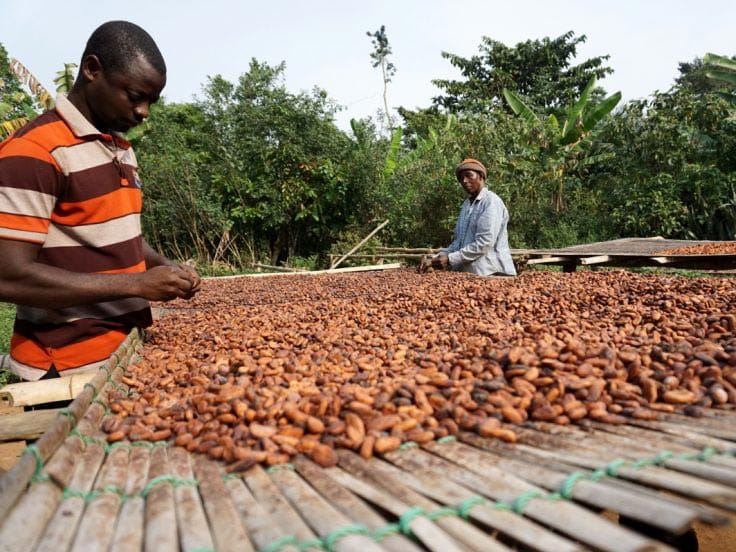


Parliament passes Ghana Cocoa Board Bill to guarantee farmers 70% of cocoa export price
Parliament has passed the Ghana Cocoa Board Bill, 2026, introducing wide-ranging reforms to Ghana’s cocoa sector, including a legal guarantee that cocoa farmers will receive not less than 70 per cent of the Free on Board (FOB) export price of cocoa.
The legislation establishes the Ghana Cocoa Board (COCOBOD) as the statutory body responsible for regulating, supervising and monitoring activities across the country’s cocoa value chain.
Presenting the Bill before Parliament on Thursday, July 30, Deputy Minister for Finance, Thomas Nyarko Ampem, said the new law is designed to strengthen the cocoa industry by providing a modern legal framework for the operations of COCOBOD while improving the welfare of cocoa farmers.
He explained that the legislation mandates COCOBOD to support cocoa production, undertake the purchase, sale and export of cocoa, and promote value addition within the sector.
The Bill also provides a statutory framework for the Producer Price Review Committee and its technical committees, giving legal backing to the process for determining producer prices.
“This bill is coming out with a new funding model, which will let COCOBOD source funding locally to purchase our cocoa beans from our hardworking farmers. This bill is bringing out new arrangements where the beans will be available for our local processing companies. 70% of the FOB price of cocoa will go to the farmers. The bill is to protect our cocoa farms and environment,” he said.
The legislation further addresses longstanding regulatory and enforcement gaps by giving statutory backing to several administrative practices within the cocoa sector.
These include regulations governing disinfestation procedures, quality inspections, certification requirements, service charges and cocoa takeover processes, which will now be enforceable under law.
The Bill also resolves governance issues surrounding COCOBOD by formally placing the institution under the supervision of the Ministry of Finance. The move gives legal effect to the government’s March 2025 directive transferring oversight of COCOBOD from the Ministry of Food and Agriculture.
In addition, the legislation seeks to promote greater private sector participation and expand local value addition by creating an enabling environment for public-private partnerships.
It encourages collaboration with both local and international partners, including the European Union, the World Cocoa Foundation and the Côte d’Ivoire-Ghana Cocoa Initiative.
The law also introduces regulatory flexibility to support small-scale chocolate manufacturers and producers of cocoa by-products, with the aim of removing barriers that have limited domestic processing and innovation.
While retaining key provisions on internal cocoa marketing, quality assurance and licensing from existing legislation, the Bill updates governance structures and repeals outdated laws, including N.R.C.D. 265 and A.F.R.C.D. 47.
As part of measures to improve the welfare of cocoa farmers, the legislation establishes a contributory Cocoa Farmers Pension Scheme and an Educational Trust Scheme to provide retirement benefits and educational support for farmers and their children.
It also creates a Dispute Resolution Committee and a Cocoa Board Tribunal to hear disputes relating to licensing and other regulated activities within the cocoa sector, while preserving the right of affected parties to appeal decisions at the High Court.
The passage of the Ghana Cocoa Board Bill, 2026, forms part of the government’s broader efforts to modernise the cocoa industry, strengthen farmer welfare, enhance local processing and improve the long-term competitiveness and sustainability of Ghana’s cocoa sector.

Top Stories


Originally published on www.modernghana.com
