

July 29, 2026
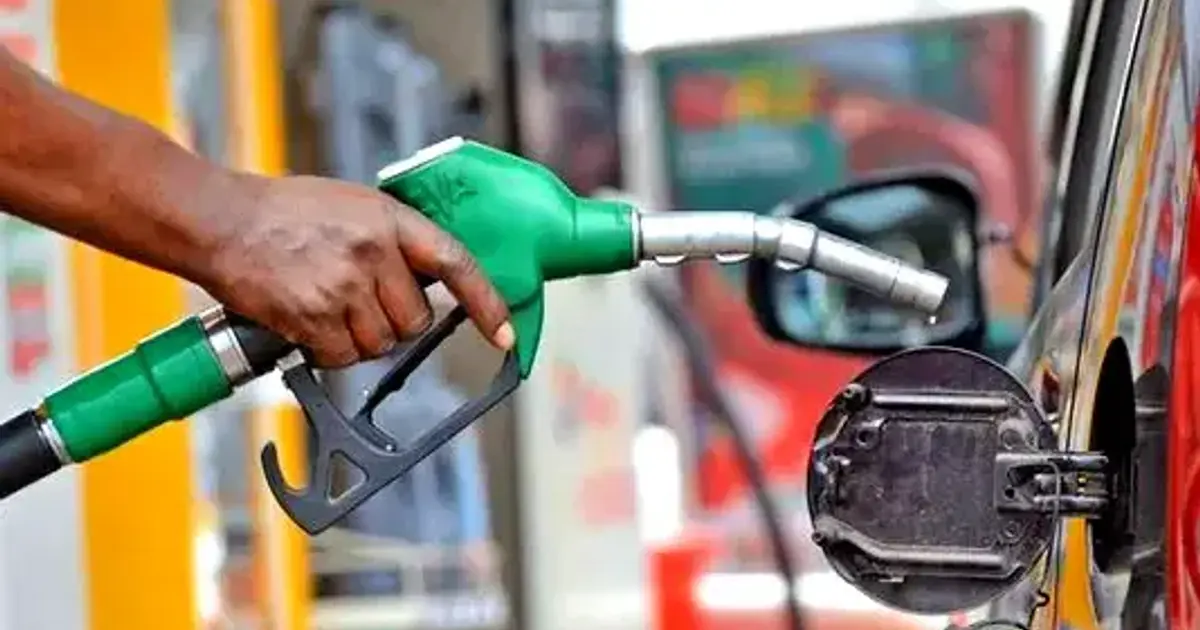
NPA raises fuel price floors for August first pricing window: See latest petrol, diesel and LPG rates
Advertisement
NPA raises fuel price floors for August first pricing window: See latest petrol, diesel and LPG rates
)
,fit(700:467))
Petrol, diesel and LPG prices set for increase after NPA announces new August price floors
Fuel prices in Ghana are set to rise further after the National Petroleum Authority (NPA) increased the price floors for petrol, diesel and liquefied petroleum gas (LPG) for the first pricing window of August, marking the second consecutive upward adjustment in benchmark prices within a few weeks.
Advertisement
-
The National Petroleum Authority (NPA) has increased the price floors for petrol, diesel and LPG for the first pricing window of August 2026, marking the second consecutive upward adjustment in benchmark fuel prices.
-
Diesel recorded the biggest increase, with its price floor rising by 18.3 per cent to GH¢16.97 per litre, while petrol increased by 9.4 per cent to GH¢14.53 per litre and LPG rose by 8.5 per cent to GH¢11.06 per kilogram.
-
The increases are being driven by higher global crude oil prices and the depreciation of the Ghana cedi, with the adjustments expected to raise transport, production and household energy costs across the country.
Advertisement
Figures published by the NPA show that all three petroleum products recorded higher minimum retail thresholds compared with the second pricing window of July, raising concerns over the cost of living and the cost of doing business across the country.
Also Read: NPA raises fuel price floor; here’s how much you’ll pay for petrol and diesel from April 1
What The New Price Floors Look Like
)
NPA raises fuel price floors for August first pricing window: See latest petrol, diesel and LPG rates
Advertisement
The price floor for petrol has been increased to GH¢14.53 per litre, up from GH¢13.28 per litre during the second pricing window of July. This represents an increase of GH¢1.25 per litre, or 9.4 per cent, one of the sharpest petrol price floor adjustments in recent pricing cycles.
Diesel recorded the largest increase among the three products. Its price floor has risen to GH¢16.97 per litre from GH¢14.35 per litre, an increase of GH¢2.62 per litre, representing an 18.3 per cent rise. Given diesel’s importance to transportation, industry and power generation, the increase is expected to have widespread economic implications.
Also Read: Gov’t reverses Ghs0.36 petrol cushion, cuts diesel intervention from Ghs2 to Ghs1.07 per litre
LPG has also become more expensive, with its price floor rising to GH¢11.06 per kilogram from GH¢10.19 per kilogram, an increase of GH¢0.87 per kilogram, or 8.5 per cent. The adjustment is likely to increase household cooking costs for many families that rely on LPG as their primary fuel.
What The Price Floors Mean for Consumers
Advertisement
)
A picture of Kaneshie public transport ‘trotro’ station in Accra. Source: ghana.for91days.com
The published price floors are not the final pump prices consumers will pay. Instead, they represent the minimum retail prices that Oil Marketing Companies (OMCs) and LPG Marketing Companies (LPGMCs) must observe during the pricing window under the Petroleum Product Pricing Guidelines (PPPG).
The NPA’s published thresholds exclude premiums charged by International Oil Trading Companies (IOTCs), the operating margins of Bulk Import, Distribution and Export Companies (BIDECs), as well as marketers’ and dealers’ margins, all of which are determined independently. As a result, actual pump prices at filling stations may be higher once these additional costs are applied.
Also Read: Fuel prices increase as major OMCs announce new petrol and diesel prices: See the latest rates
How the August Price Floors Compare with July
Advertisement
)
Goil fuel station (left) and Star Oil fuel Station (right).
The latest adjustments follow increases introduced during the second pricing window of July, which took effect on 16th July, 2026.
During that period, the petrol price floor increased from GH¢12.79 per litre to GH¢13.28 per litre, representing a 3.8 per cent rise. Diesel increased from GH¢13.54 per litre to GH¢14.35 per litre, a 6.0 per cent increase, while LPG edged up from GH¢10.11 per kilogram to GH¢10.19 per kilogram, an increase of 0.8 per cent.
The latest August adjustments indicate that the pace of fuel price increases has accelerated significantly. Diesel, in particular, has moved from a 6.0 per cent increase in the second pricing window of July to an 18.3 per cent increase in the first pricing window of August, highlighting mounting cost pressures within the petroleum market.
What is Driving the Latest Fuel Price Increases?
)
Petrol, diesel and LPG prices set for increase after NPA announces new August price floors
Several factors are behind the latest upward adjustments, notably rising global crude oil prices and the continued depreciation of the Ghana cedi against the United States dollar.
Brent crude oil prices have increased amid renewed geopolitical tensions involving the United States and Iran, pushing up the international cost of crude oil. Since Ghana imports refined petroleum products and crude oil is traded in US dollars, higher global oil prices feed directly into the country’s fuel pricing structure through increased import costs.
Advertisement
The impact has been compounded by the weakening of the cedi. According to the Bank of Ghana’s July 2026 Summary of Economic and Financial Data, the cedi had depreciated by 9.5 per cent against the US dollar by the end of July. Because petroleum products are purchased in dollars, a weaker cedi increases import costs, which are ultimately reflected in higher price floors and pump prices.
Together, higher international crude oil prices and currency depreciation have reversed the downward trend in fuel price benchmarks recorded earlier in the year.
Expected Impact on the Economy
)
Why the Ghana cedi keeps fluctuating on the interbank market and what it means for your pocket
Advertisement
The sharp increase in diesel prices is expected to have the greatest impact across the economy, given the fuel’s importance to transportation, mining, construction, agriculture and manufacturing.
Higher diesel costs are likely to increase operating expenses for commercial transport operators, potentially triggering calls for higher transport fares. Mining and construction companies may also face higher production costs as heavy machinery relies heavily on diesel.
Also Read: 10 things you should never do with Ghana cedi notes and coins, according to the Bank of Ghana
The agricultural sector could also be affected, as diesel powers irrigation systems, farm equipment and the transportation of produce. Increased fuel costs may therefore contribute to higher food prices.
Manufacturers that depend on diesel-powered generators may experience rising production costs, particularly where electricity supply is unreliable, with those additional costs potentially being passed on to consumers.
Advertisement
The increase in LPG prices is also expected to place additional pressure on household budgets, especially among lower-income families that rely on LPG for daily cooking.
What to Expect Going Forward
National Petroleum Authority (NPA)
With the new price floors taking effect during the first pricing window of August, motorists, businesses and households should prepare for higher pump prices as OMCs adjust their retail prices in line with the revised minimum thresholds and their own operational costs.
Advertisement
Industry analysts believe fuel prices could remain under pressure in the coming pricing windows if global crude oil prices stay elevated and the cedi continues to weaken against the US dollar. Such a scenario would likely increase transportation costs, raise the prices of goods and services, and further strain household budgets.
Also Read: Fuel prices increase as major OMCs announce new petrol and diesel prices: See the latest rates
The NPA has maintained that periodic adjustments to fuel price floors are intended to reflect prevailing conditions in both the international and domestic petroleum markets, ensuring that pricing remains responsive to changing economic conditions.
Advertisement
Latest Videos
)
Advertisement
Videos
)
)
)
Advertisement
Advertisement
More from Pulse Ghana
,fit(112:112))
)
,fit(112:112))
)
,fit(112:112))
)
Advertisement
Originally published on www.pulse.com.gh
