

August 27, 2026
Mahama Ayariga to raise GH¢20billion from property-rate annually for MMDAs


Thu, 27 Aug 2026 Headlines
Mahama Ayariga to raise GH¢20billion from property-rate annually for MMDAs
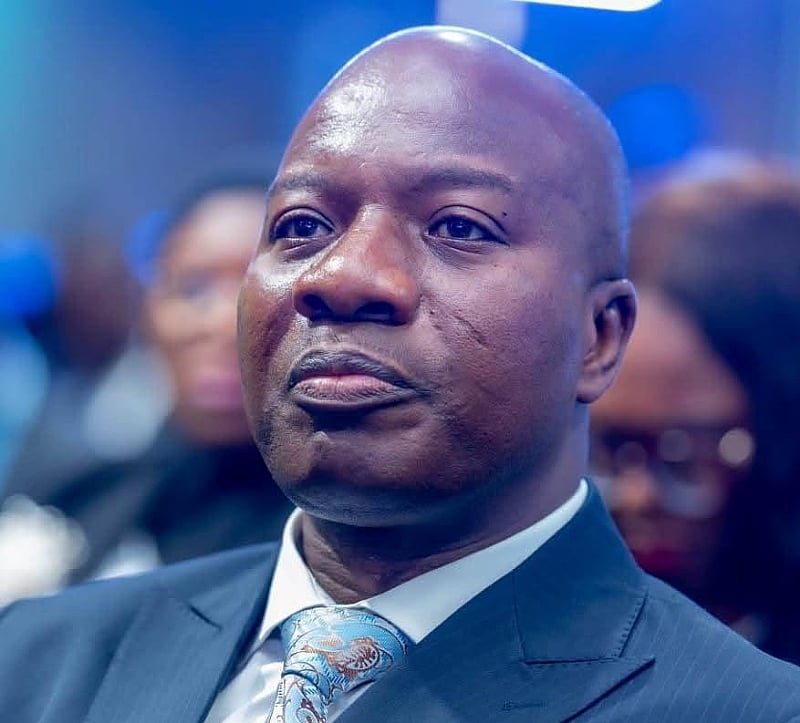
 Mahama Ayariga
Minister-designate for Local Government, Chieftaincy and Religious Affairs, Mahama Ayariga, has projected that Metropolitan, Municipal and District Assemblies (MMDAs) could generate nearly GH¢20 billion annually from property rates if properties across the country are properly identified, valued and billed.
The Bawku Central Member of Parliament made the projection during his vetting before Parliament’s Appointments Committee in Accra on Thursday, August 27, 2026.
He was responding to questions from Minority Leader Alexander Afenyo-Markin on measures he would pursue to strengthen revenue mobilisation at the local government level.
Mr Ayariga said the GH¢20 billion estimate was derived from what he described as “some basic analysis” undertaken with experts.
He stressed that the projection was a conservative estimate based solely on property rates and could increase significantly when other internally generated revenue sources, including basic rates, market tolls and lorry park fees, were taken into account.
According to Mr Ayariga, the Constitution envisages Metropolitan, Municipal and District Assemblies becoming increasingly self-financing, with allocations from the District Assemblies Common Fund primarily supporting development projects such as clinics and other infrastructure.
He said the Common Fund was not designed to finance the routine administrative expenses of the Assemblies.
Mr Ayariga argued that Assemblies had “largely failed” to meet the constitutional expectation of generating sufficient internally generated revenue to sustain their operations.
He disclosed that following his nomination, he told the Finance Minister that his ministry could eventually become “richer” than the Finance Ministry if local authorities fully exercised their revenue mobilisation powers.
He explained that District Chief Executives have the legal authority to levy rates on properties and residents within their jurisdictions, while central government primarily mobilises revenue through sources such as VAT, income tax and import duties.
Mr Ayariga cited London, New York and Istanbul as examples of cities where local authorities have budgets that are larger than those of central governments.
Nationwide property exercise proposed
To improve property-rate collection, Mr Ayariga proposed expanding the existing street-naming and house-numbering programme.
He said although the programme had helped identify the locations of properties, it did not capture sufficient information about their physical characteristics and values for effective rating.
He therefore proposed a new nationwide exercise to identify, describe and value properties comprehensively, enabling Assemblies to determine appropriate rates.
The Minister-designate also proposed digitising the entire revenue process, from property identification and valuation to billing, payment and disbursement.
He said such a system would help reduce leakages and prevent local officials from diverting revenue collected on behalf of Assemblies.
Mr Ayariga further raised concerns about political influence in revenue collection, saying District Chief Executives sometimes faced difficulties collecting rates from politically influential individuals, including traditional rulers and party loyalists appointed to collect revenue.
He alleged that some collectors subsequently failed to account for monies collected because they felt their political connections or influence protected them from accountability.
Ayariga clarifies Common Fund concerns
Addressing questions surrounding the use of the District Assemblies Common Fund, Mr Ayariga clarified that Members of Parliament were entitled to only a limited parliamentary allocation intended for emergencies in their constituencies.
He said that allocation was managed through Assembly accounts and should not be confused with the broader District Assemblies Common Fund.
According to him, the utilisation of the Common Fund is governed by guidelines and resolutions adopted by the Assemblies.
GH¢20bn estimate exceeds existing GRA projection
Mr Ayariga’s GH¢20 billion projection is significantly higher than a previously published estimate from the Ghana Revenue Authority (GRA), which manages the Myassembly.gov.gh property-rate platform.
The GRA has indicated that billing more than 10 million identified properties nationwide through the platform could generate over GH¢1.77 billion annually.
The reason for the significant difference between the two estimates was not immediately established during the vetting.
It was also unclear whether the estimates were based on different assumptions or covered different categories of local revenue.
The vetting was conducted under Standing Order 217 at Parliament House in Accra as part of the confirmation process for ministerial nominees following President John Dramani Mahama’s reshuffle announced on August 7, 2026.
Mr Ayariga has been nominated to replace Ahmed Ibrahim, the Banda MP, who has been reassigned to the Ministry of Works and Housing.

Top Stories


32 minutes ago

Styrofoam ban is long overdue – Dr. Zanetor Agyeman-Rawlings


Originally published on www.modernghana.com
