

July 18, 2026
How One Hundred And Thirty-five PHCs Are Bringing Healthcare Back To Rivers
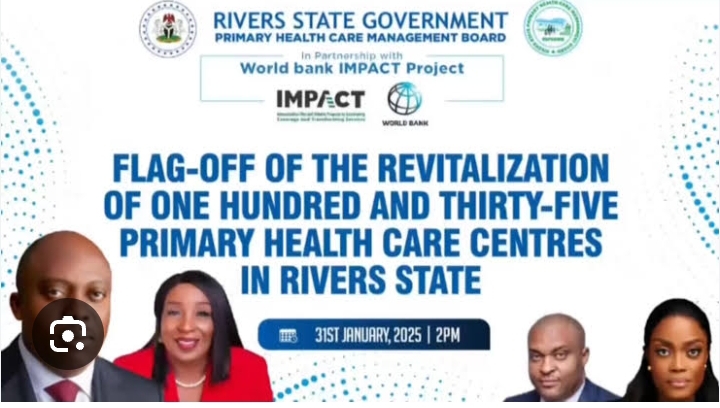
4 hours ago | Health
How One Hundred And Thirty-five PHCs Are Bringing Healthcare Back To Rivers

For years, mothers in Oyigbo and Port Harcourt walked past their local clinics with cracked walls and empty drug shelves, choosing instead to travel far and pay more. Today, those same buildings are being scrubbed clean, powered by the sun, and staffed by nurses who stay late. At Woji, Amadi-Ama, Bundu-Ama and Rukpokwu, Primary Healthcare Centres once written off are becoming the first place families run to for a fever, a pregnancy check, or a child’s vaccine. The change is real, but fragile. This is the story of people reclaiming care, and what it will take to keep the lights on, ODIMEGWU ONWUMERE writes
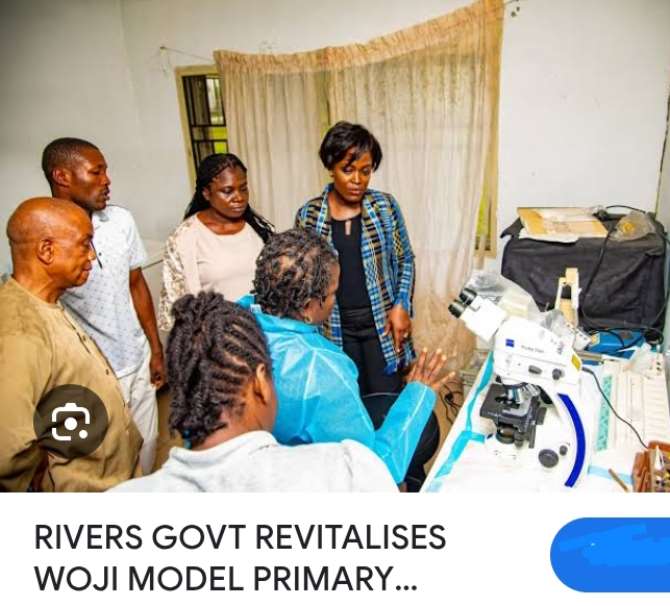
The bike dropped me at Woji junction just after 6pm and the rain was starting to tap the zinc roofs. I was looking for the Primary Healthcare Centre. Ten years ago my cousin told me not to bother.
“They don’t have light, they don’t have drugs, and the nurse is never there,” she said. I remembered that and walked in anyway.
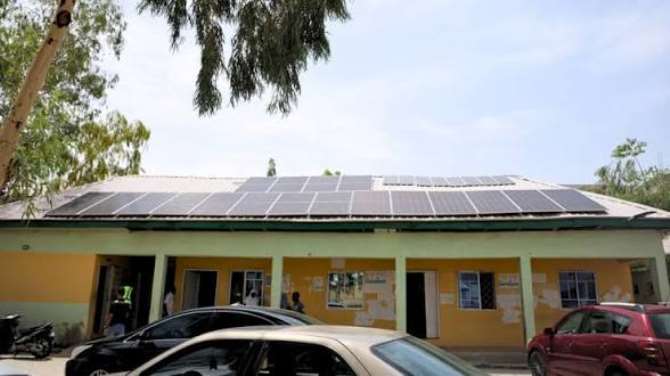
The gate was open. The compound was swept. Inside, the walls were fresh white, not the patchy yellow I remembered from other public clinics. A small solar panel sat on the roof. In the maternity room, a bulb was on even though NEPA had been off since afternoon. A nurse was taking blood pressure for a pregnant woman who sat calmly on a clean bed.
That was the first thing that hit me. Light.
For a long time, visiting a Primary Healthcare Centre in Rivers State felt like a last resort. People talked about leaking roofs, broken beds, and consulting rooms with no one inside. If your child had malaria, you would save transport money and go straight to Braithwaite or a private hospital, even if it meant borrowing. Pregnant women would leave home at 4am to queue at a general hospital because the clinic down the street could not guarantee a midwife, or even electricity at night.
That is starting to shift in parts of Oyigbo and Port Harcourt, not because someone made a speech, but because buildings are being fixed, staff are being posted, and solar panels are being bolted to roofs so vaccines do not spoil when the grid goes down.
The Rivers State Primary Health Care Management Board, RSPHCMB, has been leading a push to turn model centres into places people can actually use. Woji, Amadi-Ama, Bundu-Ama are the names that keep coming up. At Woji, they didn’t just paint. They brought in a resident doctor, which means the clinic no longer closes at 2pm and sends everyone home. For families living on daily wages, that matters. An emergency at 9pm no longer means choosing between an expensive private clinic or waiting till morning.
The doctor on duty told me the biggest difference is power. “Before, we would be mid-delivery and the light would go. We used torchlight and prayed,” the doctor said. Now the solar system runs the fridge for vaccines, the lights for delivery, and the fan that keeps the room from getting stuffy. It sounds small. It isn’t. When a baby is coming, you cannot tell labour to wait for PHCN.

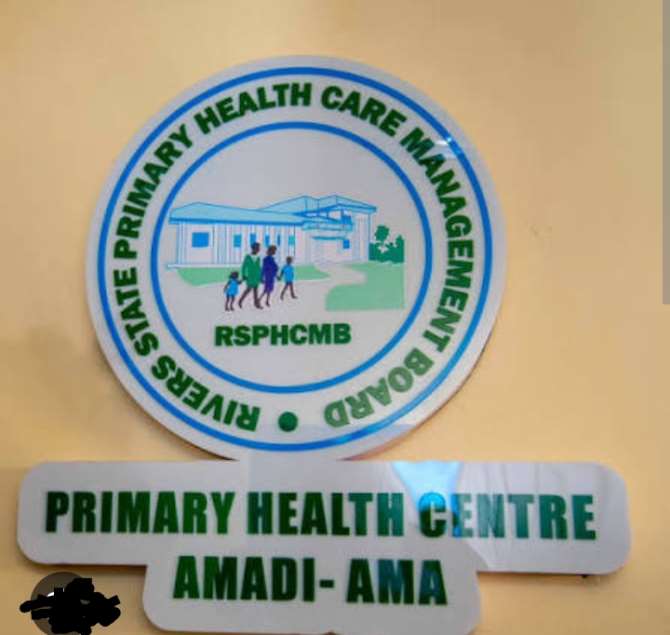
I saw the same thing a week later in Amadi-Ama. The clinic used to be one of those places people bypassed. Today, mothers sit on plastic chairs with immunisation cards on their laps. Children cry, get their shots, and are given a card to come back. A health worker told me attendance has doubled since the renovation. She didn’t have exact figures on paper, but she pointed to the register, full to the last line.
This is what public health people mean when they say “primary healthcare is the backbone.” It is where you treat malaria before it becomes severe. Where a woman checks her blood pressure in the second trimester instead of arriving at the hospital with complications. Where a child gets measles and polio drops and the whole street is safer because of it. When the PHC fails, the big hospitals drown. Emergency wards fill with cases that should have been handled early, with a N500 consultation and basic drugs.
The Centre for Communication and Social Impact, CCSI, captured some of this in a documentary called Hope in Action. They filmed Amadi-Ama and other communities where people now say the same thing: we don’t have to travel far for every small sickness. The money saved on transport is money for food. The hour saved is an hour at work. For low-income families, that math is everything.

In Rukpokwu, community leaders gathered when their renovated PHC was handed over. For years, residents had little faith in it. Now the building is solid, the rooms are clean, and there is water running. An elder told me, “We used to say government clinic means government neglect. Now we are beginning to believe again.”
That belief shows up in small details. Clean floors. A toilet that flushes. A perimeter fence that has not been pulled down. These are not luxuries. Cracked roofs ruin equipment. Bad drainage brings mosquitoes and infection. No fence means drugs can be stolen. A clinic that looks cared for tells patients that the care inside might be cared for too.
But paint and solar panels do not treat patients. People do. And for years, staffing was the hole in the bucket. RSPHCMB has started filling it. Under the Expanded Midwives Services Scheme, forty nurses have been posted across Rivers State, including facilities in Oyigbo and Port Harcourt. The idea is simple and evidence-based: more skilled birth attendants means fewer women die in pregnancy and childbirth. When a midwife is present, she can spot high blood pressure, bleeding, or infection early and act.
I met two of the newly posted nurses in Bundu-Ama. They were younger than I expected and tired. One of them said before they came, three staff were doing the work of ten: antenatal, immunisation, records, outreach, everything. Patients waited for hours. Staff went home exhausted. Now the load is shared. Waiting time is shorter. People are not shouting in the queue as much.
The board knows forty is not enough. Populations are growing. Communities are expanding. If you add more patients without adding more hands, you just burn out the hands you have. Recruitment has to continue, and so does training.
Training is showing up in other ways too. Young people rarely go to PHCs. They worry about privacy. They worry about being judged. So the Gem Hub Initiative did assessments in Oyigbo, Okrika and Degema, then retrained health workers and Officers-in-Charge on how to run adolescent-friendly services. That means speaking to a 16-year-old about nutrition or sexual health without shame, and keeping what is said in the room. Public health experts say this pays off years later, because habits formed now follow people into adulthood.
Prevention is also getting more attention. Immunisation days are now regular. Health talks happen in the waiting area. Blood pressure checks are offered even if you came in for a cough. It is cheaper to treat simple malaria at a PHC than to admit someone with severe malaria at a teaching hospital. It is cheaper to monitor blood pressure than to manage a stroke. Health economists have been saying this for years, and finally the system is acting like it.
There is also work happening behind the scenes that patients never see. The state government commissioned solar-powered walk-in cold rooms and vehicles for disease surveillance. That matters because vaccines die in heat. In a place where power is unreliable, solar cold storage keeps polio and childhood vaccines potent. The vehicles help teams move supplies and respond when there is an outbreak. You don’t notice it until there is no outbreak. That is the point.
Affordability is still the quiet barrier. Even if consultation is cheap at a PHC, transport costs money. Taking a day off work costs money. Buying prescribed drugs costs money. To bridge that, some centres are running outreach, taking immunisation and basic checks into streets and markets. A nurse with a cooler and a register under a mango tree can reach a mother who would otherwise wait until the fever gets worse.
Despite all this, the clinics are feeling the pressure of their own success. More people are coming because they trust the place again. That means more patients for the same number of staff, more demand for drugs, more wear on the building.
Maintenance is the next test. Nigeria is full of buildings that were renovated once and then left to rot. Plumbing breaks. Roofs leak. Furniture wears out. If there is no budget and no plan to fix things early, Woji will look like the old photos in five years.
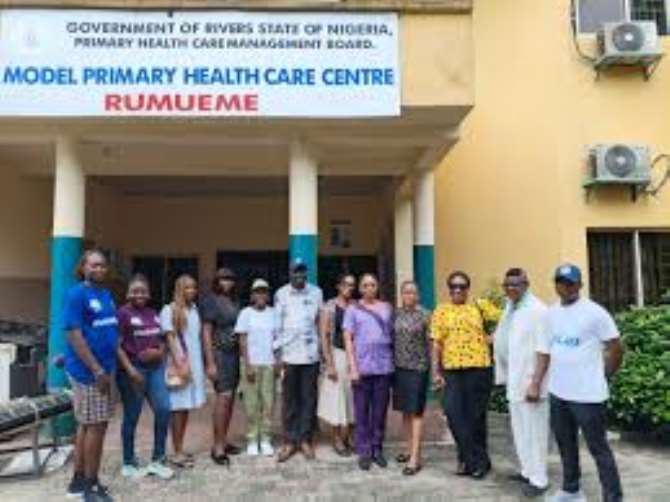
Health officials know this. Dr Adaeze Oreh, who’s Commissioner for Health, and Dr Dawari George, who’s Chairman of RSPHCMB, have been telling communities the same thing: these are your facilities, not just government property. Report vandalism. Keep the surroundings clean. Join the local health committee. In Bundu-Ama and Amadi-Ama, that message is landing because people remember what happened the last time nobody watched.
Community ownership sounds like a slogan until you see it. A youth group sweeping the compound on Saturdays. A market woman telling another woman to go to the PHC for antenatal instead of waiting. A father who brings his three children for immunisation and tells his brother to do the same. Small things, but they keep the building alive.
Trust is also built one patient at a time. When a nurse greets you with respect, when you are seen in 30 minutes instead of 3 hours, when the drugs are actually in stock, you go back. You tell your neighbor. Slowly, the PHC stops being the place of last resort and becomes the first place.
I spent an evening at Woji watching that happen. A mother came in with a baby who had fever. She was seen, given paracetamol and advice, and told to return in two days. No drama. No bribe. She left looking relieved. An older man came to check his blood sugar. Two teenagers came to ask about family planning and were spoken to quietly, without judgment.
None of this is perfect. Drugs still run out sometimes. Some centres still don’t have enough staff. Power is better but not guaranteed everywhere. Patients still complain about cost.
But the direction is different. Buildings that were empty are full. Lights that used to go off stay on. Nurses who used to cover three jobs now have help. Mothers are delivering at night with light in the room. Children are getting vaccines that stayed cold.
The real measure is not the new paint. It is the mother who knows help is close when labour starts. It is the father who treats fever early instead of waiting. It is the elderly man who can check his blood pressure without spending transport to town. It is the growing idea that quality healthcare should not depend on how much money you have or how far you can travel.
In Oyigbo and Port Harcourt, that idea is being tested in real time. The clinics have been broken for a long time. Now they are being rebuilt, not just with cement, but with staff, with power, with training, and with people deciding to use them again.
If it holds, if funding continues, if maintenance is done, if communities protect what has been given to them, then these PHCs will do what they were always meant to do. Catch illness early. Keep mothers and babies safe. Keep children healthy. Keep hospitals from overflowing.
Onwumere writes from Rivers State
Originally published on www.thenigerianvoice.com
