

August 21, 2026
Fill Ghanaian Youth With Permanent Employment Opportunities, Not Just Promises UEW Student Writes


Fri, 21 Aug 2026 Article
Fill Ghanaian Youth With Permanent Employment Opportunities, Not Just Promises UEW Student Writes

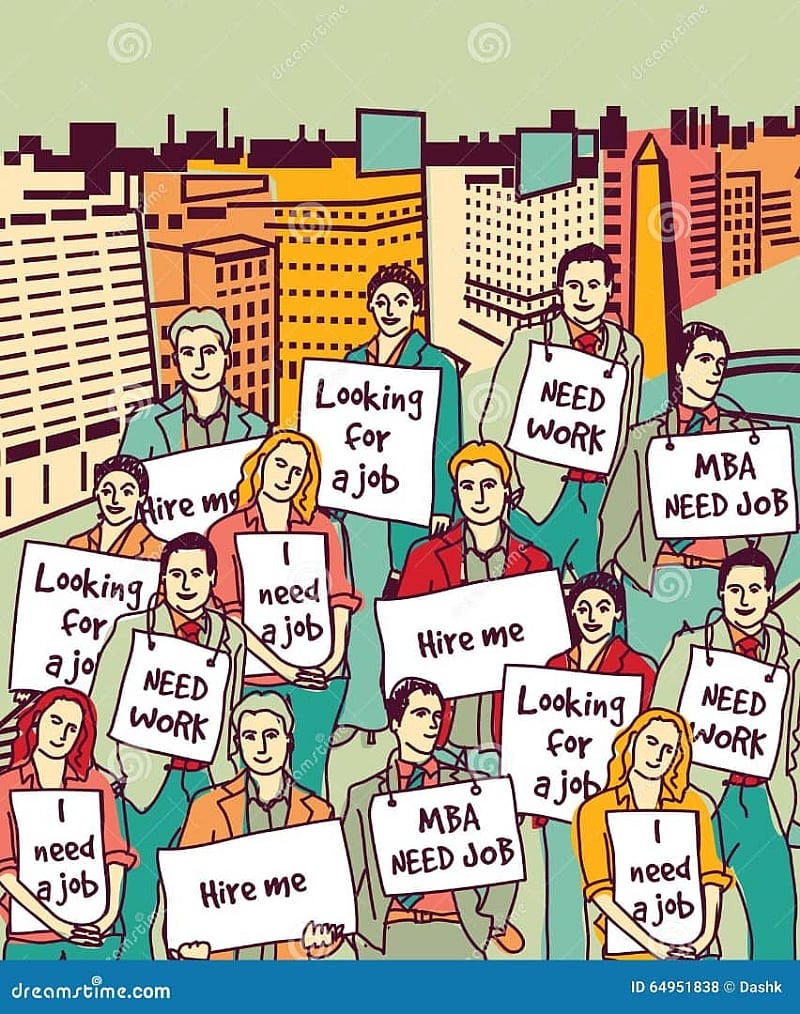
Youth unemployment remains one of the most pressing challenges facing Ghana today. Despite promises made by political parties in every election manifesto since 1992, when Ghana held its first democratic election, the problem persists.
The question is: what challenges are our political leaders facing? They know very well that unemployment is undermining Ghana’s economic development and intellectual capacity. Yet many of our youth, termed “future leaders,” continue to roam the streets of cities and towns with little to do.
Ghana is also a signatory to the Sustainable Development Goals, an effort to ensure development in all the basic and important aspects of citizens’ lives. But are these goals achievable by 2030, when we are already in 2026?
Are our leaders sensing failure ahead of the 2030 deadline? What concrete efforts are being made to ensure we achieve the targets, and not end with the excuse of “We Tried Our Best”? Or are the SDGs just a slogan?
As a young person, I believe this problem deserves far more attention. It does not only affect individuals. It affects the country’s future as a whole. High unemployment retards literacy development and makes it difficult for the country’s future leaders to become fully patriotic and put the nation first.
Every year, many young Ghanaians spend years in school hoping their education will lead to decent jobs. They study hard, sit for exams, earn certificates, and believe their effort will open the door to a better life.
But for many graduates, the journey from classroom to career is far from easy. After school, they meet a job market with very few opportunities. What is the cause?
Have we copied the wrong system? Is it a failure of self, or a failure of leadership?
It is not unusual to find university graduates, diploma holders, and vocational trainees searching for work years after completing school. For young people who are ready to contribute, this is deeply frustrating and discouraging.
Reports from the Ghana Statistical Service show that a large number of young people are not in education, employment, or training. This means many are missing the chance to build skills or participate fully in the economy.
Data from the Ghana Statistical Service, World Bank and ILO show a mixed picture of youth unemployment in Ghana between 2010 and 2025. According to the World Bank/ILO modeled estimates for ages 15-24, the rate was 11.059% in 2010, dropped to a low of 4.718% in 2013, peaked at 14.238% in 2015, and then declined steadily to hover between 5.3% and 6.3% from 2021 to 2025, ending at 5.826% in 2025. However, GSS’s own Quarterly Labour Force Survey presents a starker reality. For the first three quarters of 2025, unemployment among youth aged 15-24 averaged 32.5%, with Q3 alone hitting 34.4%. For ages 15-35, unemployment averaged 21.9% in Q1-Q3 2025 compared to a national average of 12.8%. Greater Accra recorded the highest at 49.3% in Q3 2025.
The GSS also highlights a growing NEET crisis. As of Q3 2025, nearly 2 million youth aged 15-35, representing 19.5% of that population, were Not in Education, Employment or Training. For ages 15-24, the figure was about 1.34 million or 21.5%. The Service says job creation has not kept pace with Ghana’s growing youth population, which now makes up 36.9% of the country’s 33.7 million people, up from 34.6% in 2000. Beyond unemployment, more than 2 in 3 employed persons are in vulnerable employment and about 1 in 5 are underutilised. GSS further notes skills mismatches as a key challenge, with 10% of workers feeling over-skilled and 15.7% underqualified, underscoring the gap between education output and industry needs.
From the statistics one can ask again what remain the cause? Are we being too politically insensitive about the country’s future
One of the biggest reasons for youth unemployment is the gap between what is taught in school and what industry actually needs. While academic knowledge matters, practical skills and real work experience are just as important. Sadly, many young people finish school without enough exposure to what the job market demands.
In my view, tackling youth unemployment takes more than political speeches and campaign promises. It requires serious investment in technical and vocational education, entrepreneurship programs, internships, and skills training.
Young people must be equipped with skills that match today’s industries, including technology, agriculture, manufacturing, and renewable energy.
The private sector also has a big role to play. Companies must offer internships, mentorship, and entry-level jobs that give young people a chance to build experience. At the same time, schools and colleges must keep updating their programs to stay relevant to what employers need. This must include a review of the education system — moving from pure literature to skill acquisition, prioritizing TVET alongside theory.
Youth unemployment is more than an economic problem. It is a national issue.
When young people cannot contribute meaningfully to the economy, the country loses talent and productivity. But when they are given real opportunities, they become a powerful force for innovation, progress, and growth.
Ghana’s young people are hardworking, creative, and full of determination. What many of them need is simply a fair chance to show what they can do. If we are truly serious about national development, then creating opportunities for the youth must be a top priority. After all, the country’s future depends on how well we invest in its young people today.
By: Nunana Alberta Tefuttor
Student of Journalism and Media Studies, UEW.
Disclaimer: “The views expressed in this article are the author’s own and do not necessarily reflect ModernGhana official position. ModernGhana will not be responsible or liable for any inaccurate or incorrect statements in the contributions or columns here.”
Follow our WhatsApp channel for meaningful stories picked for your day.

Top Stories


8 hours ago


Originally published on www.modernghana.com
