

July 16, 2026
10 things you should never do with Ghana cedi notes and coins, according to the Bank of Ghana
Advertisement
10 things you should never do with Ghana cedi notes and coins, according to the Bank of Ghana
)
)
10 things you should never do with Ghana cedi notes and coins, according to the Bank of Ghana
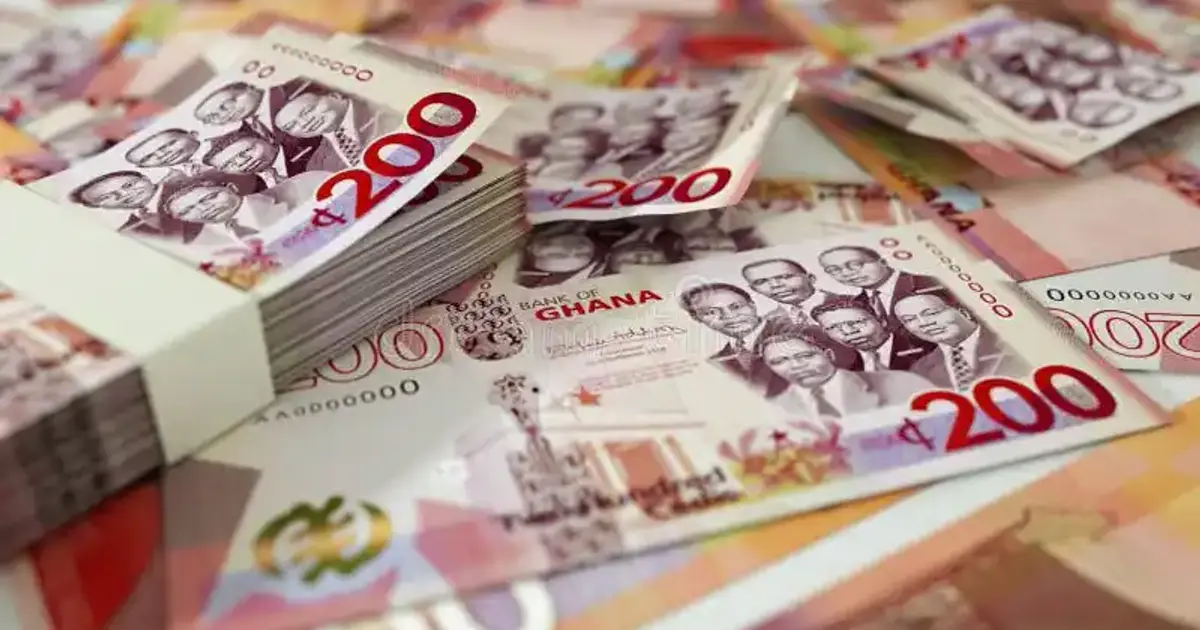
The Bank of Ghana has warned that spraying cedi notes, making money bouquets, writing on banknotes and other forms of mishandling the national currency are offences that could lead to arrest, fines or imprisonment. Here’s the full list of prohibited acts.
Advertisement
The Bank of Ghana (BoG) has warned that several common ways Ghanaians handle cedi notes and coins at weddings, birthdays, funerals and other social events are against the law and could result in arrest, prosecution, fines or imprisonment.
Advertisement
In a public notice issued on July 14, 2026, and signed by the Secretary to the Bank, Aimee Vyda Quashie, the central bank said it has observed the increasing misuse of Ghana’s currency, a practice that affects the quality, integrity and public image of the cedi.
The BoG explained that the Bank of Ghana Act, 2002 (Act 612), as amended, and the Currency Act, 1964 (Act 242), protect Ghana’s currency and prohibit acts that deface or improperly use it.
Here are 10 things you should never do with Ghana cedi notes and coins.
Advertisement
1. Don’t spray cedi notes at weddings, funerals or parties
Spraying or showering cedi notes during weddings, funerals, birthdays and other social gatherings is prohibited. The Bank says the practice amounts to improper handling of the national currency and could attract legal sanctions.
2. Don’t make money bouquets
)
Using cedi notes to create money bouquets for weddings, graduations, birthdays or other celebrations is also against the law. According to the BoG, the national currency is intended to serve only as legal tender and should not be used for decorative purposes.
Advertisement
3. Don’t scatter money on the ground or dance on it
Throwing banknotes onto the ground, stepping on them or dancing on them during celebrations is another prohibited act. The Bank says such actions contribute to the damage and deterioration of the currency.
4. Don’t write on, tear or damage banknotes
)
Advertisement
Writing on cedi notes, tearing, crumpling, staining, soiling or otherwise damaging banknotes and coins is prohibited. The BoG urged the public to keep the currency clean and intact to extend its lifespan.
5. Don’t use cedi notes or coins as decorations
The central bank warned against using banknotes or coins in artistic displays, jewellery, fingernail designs or other decorative arrangements. It said these uses amount to tampering with or defacing the currency.
6. Don’t cut, alter or mutilate banknotes
The BoG said banknotes should never be cut, engraved, pierced, stamped or altered in any way. Such acts violate Ghana’s currency laws and undermine the integrity of the cedi.
READ ALSO: Bank of Ghana revokes Zeepay’s licence over regulatory breaches, urges customers to seek support
7. Don’t alter the appearance of coins
Changing the appearance, colour, weight or value of coins by filing, cutting, colouring, gilding, silvering or defacing them is an offence. The Bank also warned that possessing filings, scrapings or parts of tampered coins is unlawful.
8. Don’t buy or sell coins above their face value
Advertisement
The notice further states that buying or selling a coin for more than its official face value is prohibited under Ghanaian law.
9. Don’t use images of Ghana’s currency without approval
The BoG said individuals and organisations must obtain prior approval before using images of Ghana’s banknotes or coins, warning that unauthorised use is prohibited.
10. Don’t treat the cedi as anything other than legal tender
Advertisement
The Bank stressed that cedi notes and coins are meant solely to serve as legal tender. They should not be crumpled, mutilated, engraved, pierced or used in ways that compromise their quality or functionality.
Why the Bank of Ghana is issuing the warning
According to the BoG, Ghana spends substantial public funds every year printing banknotes and minting coins. Improper handling shortens the lifespan of the currency, increases replacement costs and affects its appearance and usability.
The central bank has therefore urged individuals, businesses and institutions to handle cedi notes and coins responsibly and report violations to the appropriate authorities.It warned that anyone found engaging in the prohibited acts could face arrest, prosecution, fines or imprisonment in accordance with the law, adding that it will work closely with the police and other state law enforcement agencies to enforce the regulations.
Advertisement
Latest Videos

Advertisement
Videos
)
)
)
Advertisement
Advertisement
More from Pulse Ghana
)
)
)
)
)
)
Advertisement
Originally published on www.pulse.com.gh
