

July 16, 2026
Greenpeace demands halt to Dangote’s $17bn Kenya coastal refinery


Greenpeace demands halt to Dangote’s $17bn Kenya coastal refinery
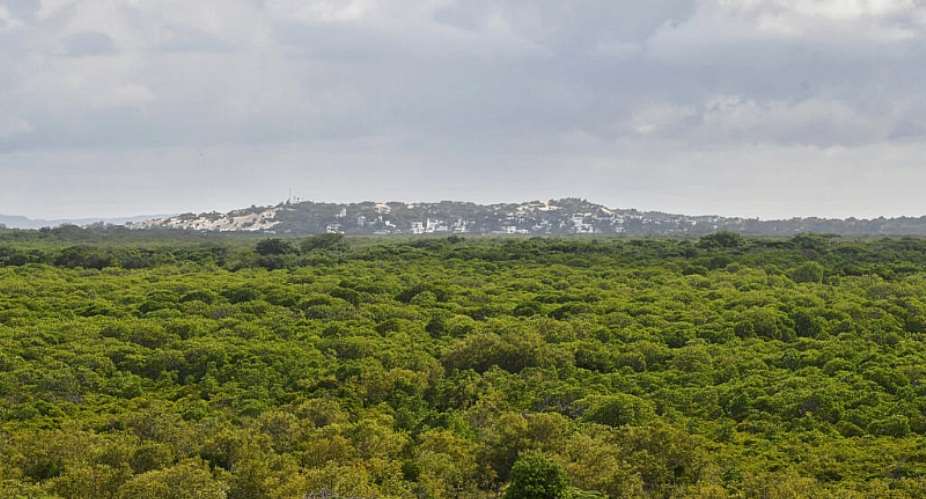
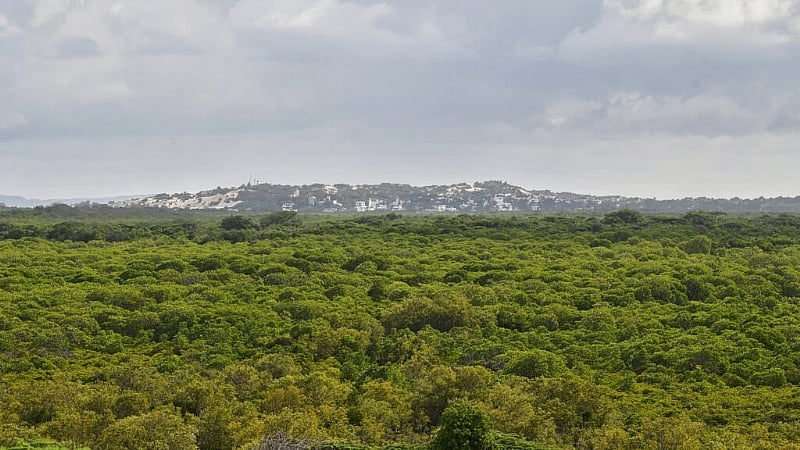
This picture taken on June 18, 2019 shows a pristine mangrove forest neighbouring Manda island near the resort town of Lamu where life has changed little over the centuries in this part of Kenya’s north coast, – AFP – TONY KARUMBA
The east African oil refinery, with a planned capacity of 700,000 barrels per day, was confirmed earlier this month to be located at Kenya’s Lamu port, ending months of speculation that Tanzania could host the project.
“This project threatens to damage one of East Africa’s most fragile coastal ecosystems while locking Kenya into a risky fossil fuel future,” Sherelee Odayar, Greenpeace Africa Oil and Gas campaigner, said in a statement.
The group said the oil refinery, which is expected to take about 30 months to build, will lead to “habitat destruction, marine degradation, oil spill risk and dangerous air pollution”.
“Lamu’s mangroves, coral reefs and seagrass beds are not expendable. They support fisheries, livelihoods and coastal protection,” the NGO said. Nigerian businessman and Africa’s richest man Aliko Dangote attends the Africa Forward summit in Nairobi on May 11, 2026.
Greenpeace Africa called for the $17-billion project to be suspended pending an independent environmental assessment before any approvals are granted.
“No approvals should move forward without a full, independent environmental and social impact assessment, genuine public participation and transparent scrutiny of the long-term economic, health and ecological risks,” Odayar said.
Kenyan President William Ruto has praised the project, arguing it will create jobs.
About 800,000 Kenyans join the labour market each year, according to the World Bank.
But Greenpeace said the project will only “create temporary jobs while undermining existing livelihoods in fishing, tourism and small-scale local economies”.
“This refinery also risks becoming a stranded asset as the world moves toward cleaner energy.
“It would also lock Kenya into decades of carbon-intensive development, worsening climate change and its impacts,” it said.
There are still many questions around the project in Kenya, not least where it will source the oil to refine and how it will be financed.
Lamu was designated a World Heritage Site in 2001 as it includes the oldest and best preserved example of a Swahili settlement, “Lamu Old Town,” in East Africa a number of marine protected areas surround the archipelago. Lamu Old Town.
The site was involved in previous disputes over fossil-fuel projects. Last year, Kenya’s High Court halted plans for a proposed $2 billion coal-fired power plant, stating that the project “failed to meet public participation requirements,” ending a six-year legal battle over the facility.
(With newswires)

RFI
All the news from France, Europe, Africa and the rest of the world.Page: rfi

Top Stories


<!–
–>
Originally published on www.modernghana.com
