

July 9, 2026
10 Countries with the lowest electricity access rates in the world in 2026; See full list
Advertisement
10 Countries with the lowest electricity access rates in the world in 2026; See full list
)
)
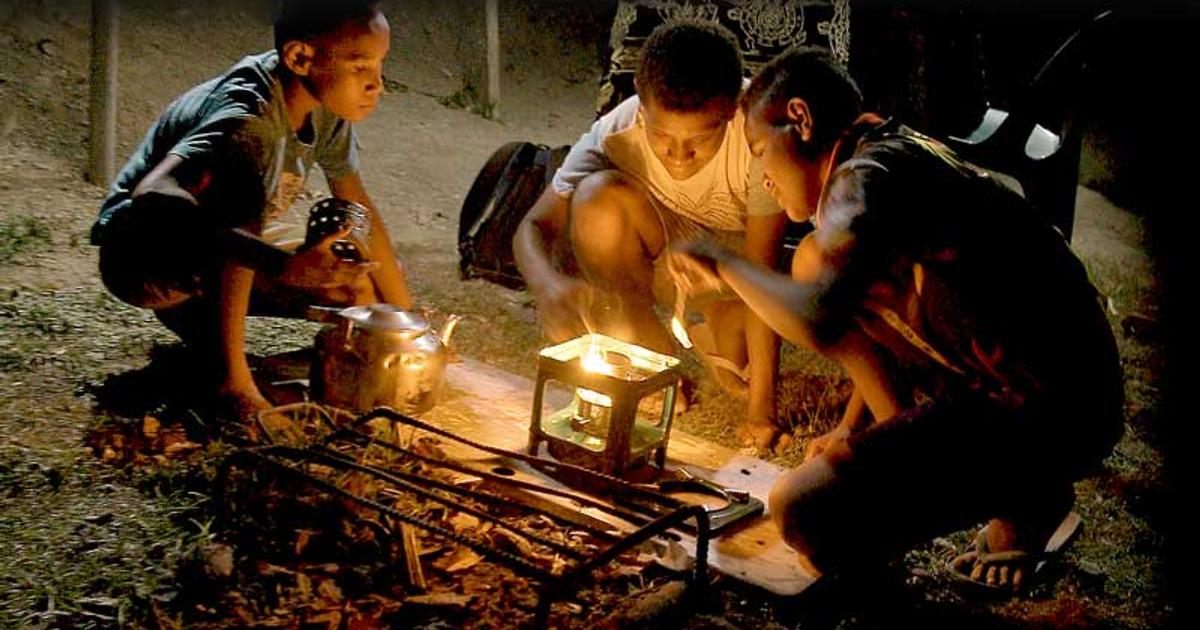
Millions of people across Sub-Saharan Africa continue to live without reliable electricity, with countries such as South Sudan, Burundi and Chad recording some of the lowest access rates in the world.
Despite major progress in expanding electricity access globally, hundreds of millions of people still live without reliable power. According to global energy data, approximately 655 million people worldwide remain without electricity, with Sub-Saharan Africa accounting for about 85% of this population.
Advertisement
-
About 655 million people worldwide still lack access to electricity, with Sub-Saharan Africa accounting for approximately 85% of the global deficit.
-
South Sudan, Burundi, Chad and the Democratic Republic of Congo rank among the countries with the lowest electricity access rates, with millions of people relying on limited or alternative energy sources.
-
Poor infrastructure, rural isolation, political instability and limited investment remain major barriers, while initiatives such as Mission 300 aim to connect millions more Africans to electricity by 2030.
Advertisement
The challenge is most severe in countries where rural communities lack the infrastructure needed to connect homes and businesses to national power grids. Nations such as South Sudan, Burundi, Chad and the Democratic Republic of Congo (DRC) continue to record some of the lowest electricity access rates in the world, with coverage ranging between about 12% and 22%.
Although global electrification has improved significantly over the past two decades, progress has not been evenly distributed. While many regions now enjoy near-universal electricity coverage, large parts of rural Africa continue to face energy shortages due to limited investment, difficult terrain, political instability and underdeveloped infrastructure.
Initiatives such as Mission 300, which aims to connect 300 million more Africans to electricity by 2030, are seeking to address the continent’s energy gap.
According to World Population Review, here are the top 10 countries with the lowest electricity access rates
Advertisement
1. South Sudan — 8.4% of population
South Sudan has the lowest electricity access rate in the world, with fewer than one in ten people connected to electricity. Years of conflict, weak infrastructure and limited investment have slowed the development of the country’s energy sector. Authorities are seeking foreign investment to expand electricity generation and distribution.
)
South Sudan has the lowest electricity access rate in the world. PC: Bloomberg
2. Burundi — 10.3% of population
Advertisement
Burundi’s electricity shortage is largely linked to its predominantly rural population and limited power infrastructure. Many households depend on traditional biomass for energy, while those connected to the grid often experience frequent outages, particularly during dry seasons when hydropower production declines.
)
Burundi
3. Chad — 11.7% of population
In Chad, most people live in remote areas where electricity networks have not been developed. Limited infrastructure and high costs of expanding power supply have left large sections of the population without reliable access to electricity.
Advertisement
)
Chad
4. Malawi — 14% of population
Malawi’s electricity challenges are largely caused by inadequate infrastructure, especially in rural communities. The country has received international support to expand renewable energy projects, including hydropower, solar, wind and biogas facilities.
)
Malawi
READ MORE: Abu Trica rushed to Police hospital in custody as lawyer raises concerns over denied access
5. Central African Republic — 15.7% of population
Political instability, repeated conflicts and economic difficulties have contributed to the Central African Republic’s low electricity access rate. A significant portion of the population relies on humanitarian assistance, while energy development remains constrained by insecurity.
)
Central African Republic
6. Papua New Guinea — 19% of population
Outside Africa, Papua New Guinea is among the countries with the lowest electricity access rates. Its mountainous landscape, scattered settlements and limited infrastructure have made nationwide electricity expansion difficult, leaving many rural communities dependent on expensive alternatives such as diesel generators.
Advertisement
)
Papua New Guinea
7. Niger — 19.5% of population
Niger faces major challenges in providing electricity, particularly because much of its population lives in remote rural areas. Traditional biomass remains a major source of energy, while efforts continue to expand renewable and grid-based electricity access.
)
Advertisement
8. Burkina Faso — 19.5% of population
ALSO READ: Guinness World Record holder and celebrated Ghanaian artist Sharon Dede Padiki dies at 50
Burkina Faso has invested in improving electricity supply through infrastructure projects supported by international partners. These efforts include expanding transmission networks and strengthening the reliability of the national power grid.
)
Burkina Faso
9. Democratic Republic of Congo — 21.5% of population
Advertisement
Despite having significant energy resources, including enormous hydroelectric potential, the Democratic Republic of Congo struggles to provide widespread electricity access. Political uncertainty, infrastructure challenges and limited investment have slowed progress.
)
Democratic Republic of Congo
10. Sierra Leone — 29.4% of population
Sierra Leone has made efforts to improve electricity access, particularly in rural communities, through expansion projects supported by international funding. However, challenges remain in developing a reliable and affordable national power system.
Advertisement
)
Sierra Leone
The figures highlight a major global energy inequality, with Africa carrying the largest share of the world’s electricity access deficit. Expanding infrastructure, increasing renewable energy investment and improving policy stability remain key to closing the gap and ensuring more people can access reliable power.
Advertisement
Latest Videos
)
Advertisement
Videos
)
)
)

Advertisement
Advertisement
More from Pulse Ghana
)
)
)
)
)
)
Advertisement
Originally published on www.pulse.com.gh
