

August 22, 2026
9 in 10 people in Sub-Saharan Africa face major problems dealing with climate disasters – World Bank
Advertisement
9 in 10 people in Sub-Saharan Africa face major problems dealing with climate disasters – World Bank
)
Advertisement
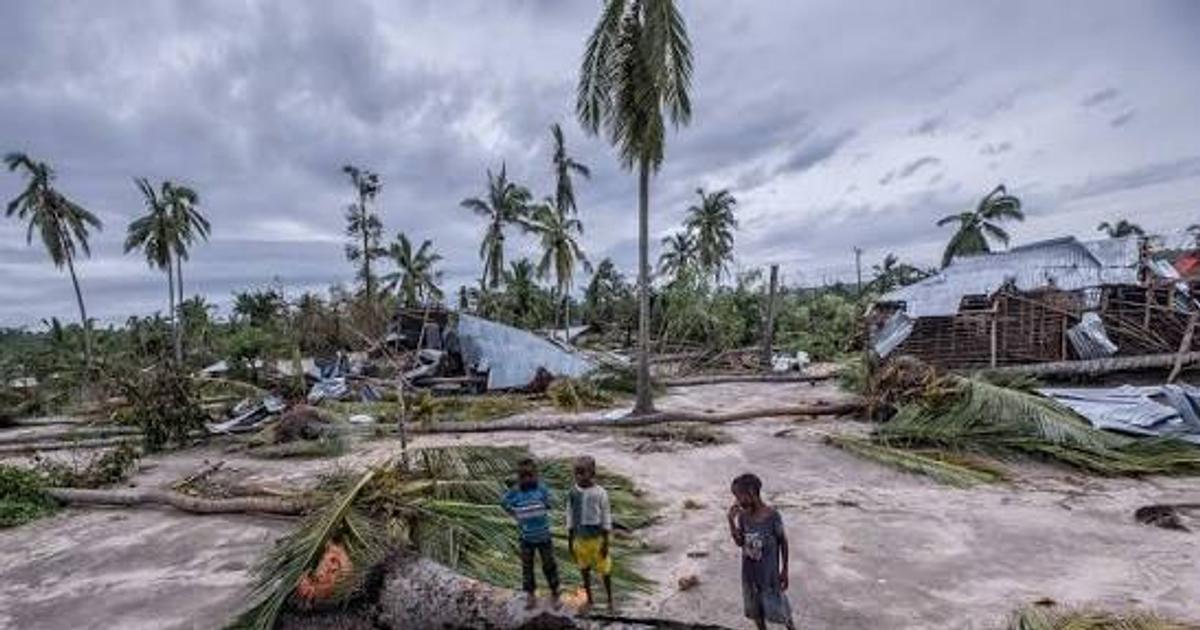
Nearly 9 out of every 10 people in Sub-Saharan Africa are highly vulnerable in at least one area that can make it harder for them to cope with and recover from climate-related shocks, according to a new World Bank analysis.
Advertisement
The finding comes from a new World Bank indicator designed to show not only where people are exposed to extreme weather, but also whether they have the resources and services needed to recover when disaster hits.
The World Bank says almost 1 in 5 people globally are currently at high risk from climate hazards. That is, about 1.5 billion people worldwide.
But the situation is particularly worrying in Sub-Saharan Africa because people who are exposed to climate hazards are also much more likely to face serious difficulties recovering from them.
Advertisement
When that hazard happens, how difficult will it be for the person to cope and recover? The World Bank measures vulnerability using factors including income, education, access to finance, social protection, electricity, water, services and markets.
Africa
![Globe in green leaves with map of Africa in view [Photo: Nothing Ahead]](https://image.api.sportal365.com/process/smp-images-production/pulse.com.gh/24072024/4f6b2f37-61d1-4edb-bbd6-c1e4323f839a)
Globe in green leaves with map of Africa in view [Photo: Nothing Ahead]
The World Bank found that 90% of the population in Sub-Saharan Africa is highly vulnerable in at least one of these areas. This does not mean that 90% of Africans will be hit by a flood, drought or heatwave but among the factors used by the World Bank to measure people’s ability to cope, 9 in 10 people in the region face a significant weakness in at least one area.
Advertisement
The finding is important because South and East Asia have higher exposure to some climate hazards, yet vulnerability is lower in part because of stronger social protection and greater financial inclusion.
Being exposed to a climate hazard does not automatically mean suffering the same level of damage. Having money, insurance, access to financial services, reliable water and electricity and government support can make recovery easier.
The World Bank says agricultural drought is particularly important for rural populations, many of whom depend directly on farming for their livelihoods. More broadly, heatwaves affect more people globally.
Ghana
)
Advertisement
Ghana already faces several climate-related risks, including flooding, drought and extreme heat. World Bank assessments also warn that rising temperatures could worsen heat-related impacts, particularly in northern Ghana, while drought can put pressure on water supplies and flooding can damage infrastructure.
In August 2025, the government, with World Bank support, began technical studies to better understand flood risks in Kumasi and assess the vulnerability of communities around the Sisan, Wiwi and Aboabo watersheds.
One of the biggest points in the World Bank’s analysis is that protecting people from climate shocks is not only about building bigger drains, flood barriers or other infrastructure.
Those things matter, but the World Bank argues that countries also need to tackle the conditions that make people vulnerable in the first place.
For Sub-Saharan Africa, the World Bank identifies low incomes, limited access to finance and weak social protection systems as some of the biggest problems that need to be addressed.
This means that helping a family become more resilient could involve improving their income, making financial services easier to access, strengthening social safety nets and ensuring communities have reliable water, electricity and other essential services.
Advertisement
Latest Videos
)
Advertisement
Videos
)
)
)

Advertisement
Advertisement
More from Pulse Ghana
)
,fit(112:112))
)
)
,fit(112:112))
Advertisement
Originally published on www.pulse.com.gh
