

July 23, 2026
When the Cheers Faded: Rebuilding Ghana Football from the Ground Up
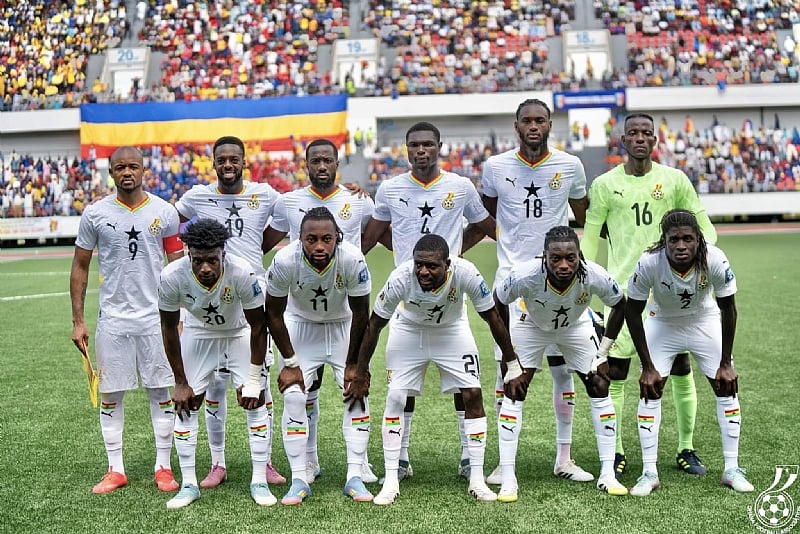


When the Cheers Faded: Rebuilding Ghana Football from the Ground Up
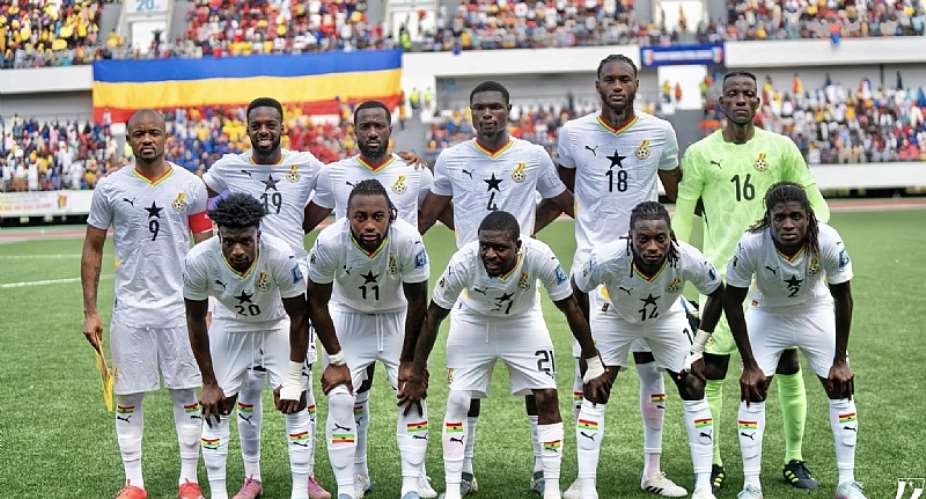
There was a time when Ghana stopped for football.
On match days, market women hurried through their sales so they could catch kick-off. Taxi drivers tuned their radios to live commentary. Families gathered around television sets draped in the national colours. Even workplaces became unusually quiet whenever the Black Stars played.
For ninety minutes, football united a nation.
It was more than entertainment. It was a source of identity, hope and national pride.
The Black Stars gave Ghanaians unforgettable moments that transcended sport. From inspiring FIFA World Cup campaigns to memorable Africa Cup of Nations performances, the team represented resilience, excellence and the belief that a relatively small African nation could compete with the world’s best.
Those memories remain cherished.
Yet today’s reality tells a different story.
While football continues to be Ghana’s most popular sport, the emotional connection between many supporters and the national game has weakened. Empty seats at domestic league matches, declining enthusiasm around the Black Stars and growing frustration over inconsistent performances reflect a deeper challenge that extends far beyond ninety minutes on the pitch.
The question confronting Ghana is no longer whether we have talented footballers.
The question is whether we still have a football system capable of consistently producing and developing them.
Talent Has Never Been Ghana’s Problem
Every generation has produced gifted footballers.
From Abedi Ayew Pele and Tony Yeboah to Michael Essien, Asamoah Gyan, Sulley Muntari and many others, Ghana has never struggled to produce players capable of competing at the highest level.
Even today, Ghanaian footballers continue to perform admirably in leagues across Europe, Asia, North America and Africa.
Talent still exists.
What appears to have weakened is the pathway that identifies, develops and prepares that talent from childhood to the highest level of the game.
Football excellence is rarely accidental.
It is usually the product of well-organised youth structures, qualified coaching, competitive domestic leagues, modern infrastructure and long-term planning.
These are the foundations upon which successful football nations are built.
The Real Crisis Begins Before the National Team
Public discussion often focuses on coaching decisions, player selection or tactical choices whenever the Black Stars struggle.
Those conversations are important.
But they address the symptoms rather than the disease.
The real crisis begins years before a player receives a national team call-up.
Across many communities, organised Colts football has significantly declined. Young boys and girls who once spent weekends competing in structured leagues now have fewer opportunities to develop through organised competition.
Many schools lack regular football programmes.
District competitions are inconsistent.
Community pitches continue to deteriorate.
Qualified youth coaches remain limited.
Talented children in rural communities often go unnoticed simply because nobody is watching.
A football nation cannot expect world-class results while neglecting the system that produces future players.
Every Black Star once played on a community field.
If those fields disappear, so too does tomorrow’s national team.
The Decline of Community Football
For decades, Colts football served as Ghana’s football classroom.
It taught discipline.
Teamwork.
Technical ability.
Competitive mentality.
It also provided scouts with an organised platform for discovering talent from every region of the country.
Many of Ghana’s greatest footballers emerged from these grassroots structures before progressing to clubs and eventually the national team.
Today, that pipeline has weakened considerably.
The consequence is not merely fewer footballers.
It is fewer well-developed footballers.
Without regular competition during the formative years, technical development slows, tactical understanding suffers and many promising players abandon the sport altogether.
Football Is Also an Economic Industry
Too often, football is viewed only through the lens of trophies and national pride.
In reality, football is also a significant economic sector.
A thriving football ecosystem creates employment for coaches, referees, physiotherapists, groundskeepers, sports journalists, broadcasters, event organisers, marketers, security personnel and hospitality businesses.
Strong domestic leagues attract sponsorship.
Successful academies generate transfer income.
Major competitions stimulate tourism and local businesses.
Investment in football therefore produces returns that extend far beyond the pitch.
When football grows, entire communities benefit.
Rebuilding Ghana Football Requires Long-Term Thinking
There are no quick fixes.
Changing coaches every few years cannot substitute for systemic reform.
Instead, Ghana requires a comprehensive football development strategy built around five national priorities.
First, revive Colts football nationwide.
Every district should operate structured youth leagues supported by clear governance, qualified coaches and regular competition. Grassroots football should become the foundation of Ghana’s football development model once again.
Second, restore competitive school sports.
School competitions have historically produced some of Ghana’s finest athletes. A nationwide programme linking basic schools, secondary schools and tertiary institutions would significantly strengthen the talent pipeline.
Third, invest in coach development.
Players rarely outperform the quality of coaching they receive. Expanding coaching education, licensing programmes and continuous professional development should become a national priority.
Fourth, improve football infrastructure.
Communities need safe playing fields, training centres and accessible facilities where young people can develop throughout the year.
Finally, strengthen governance and transparency.
Successful football nations build institutions, not personalities. Long-term planning, accountability and sound administration must become the standard across every level of Ghanaian football.
A Responsibility Shared by All
Rebuilding football cannot be left solely to the Ghana Football Association.
Government has a responsibility to support sports development through policy and infrastructure.
Corporate Ghana should recognise football as an investment rather than simply a sponsorship opportunity.
Educational institutions must restore competitive sports.
Local communities should protect and maintain playing fields.
Parents should encourage participation.
Former players should mentor the next generation.
Football belongs to all of us.
Its revival requires all of us.
The Future Is Already Playing Somewhere
The next Abedi Pele may be playing barefoot on a dusty field in Wa.
The next Michael Essien could be attending school in Ho.
The next Asamoah Gyan may be practising after class in Kumasi.
The next Black Stars captain might currently be playing football in Tamale, Cape Coast, Sunyani or Bolgatanga without proper boots, structured coaching or even a suitable pitch.
Talent has never abandoned Ghana.
Our responsibility is to ensure Ghana does not abandon its talent.
History will not judge Ghana football by how passionately we sing the national anthem before kick-off.
It will judge us by whether we build a system that consistently develops excellence.
The future of Ghana football will not be decided at the next AFCON or FIFA World Cup.
It is being decided today—on community pitches, in school competitions and within the grassroots structures that once made Ghana the envy of African football.
If we invest in those foundations again, the cheers that once echoed across our nation will not simply return.
They will inspire an even greater generation of Ghanaian footballers.
Disclaimer: “The views expressed in this article are the author’s own and do not necessarily reflect ModernGhana official position. ModernGhana will not be responsible or liable for any inaccurate or incorrect statements in the contributions or columns here.”
Follow our WhatsApp channel for meaningful stories picked for your day.

Top Stories


Originally published on www.modernghana.com
