

July 23, 2026
When Politics Meets Perception: Will Ken Ofori-Atta Return To Ghana?


When Politics Meets Perception: Will Ken Ofori-Atta Return To Ghana?
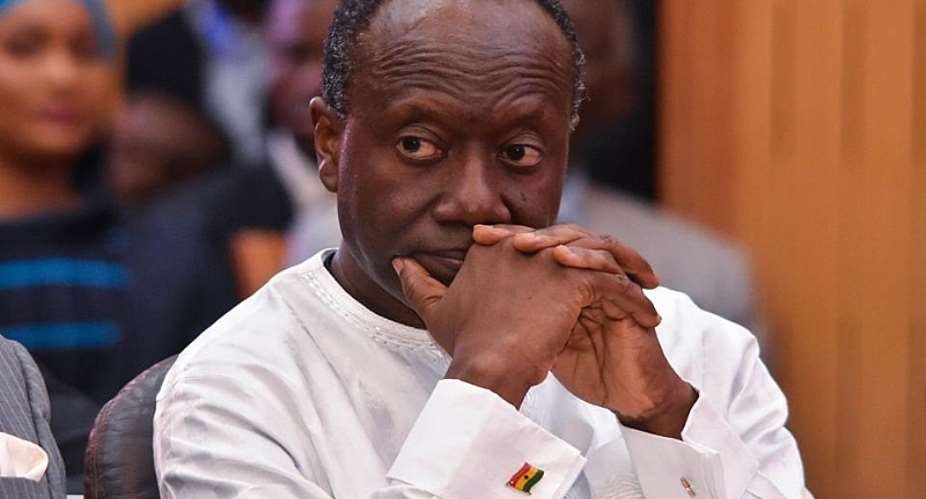
One moment, a former Finance Minister leaves Ghana amid investigations and public controversy.
The next moment, the sitting President publicly jokes that his children are calling for him to return home because they miss their father, assuring him that the government will provide security and that due process will be followed.
Yet, for many Ghanaians, one question immediately arises:
Can assurances of safety erase memories of past events?
Politics is often filled with symbolism, humour, and carefully crafted public messages. Sometimes a joke communicates reassurance. Other times, it raises serious questions that extend far beyond the laughter it generates.
Recently, President John Dramani Mahama, while addressing a public gathering, humorously appealed to former Finance Minister Ken Ofori-Atta to return to Ghana. The President remarked that Mr. Ofori-Atta’s children were calling for their father to come home because they missed him. He further stated that Mr. Ofori-Atta had once described himself as a father who would never abandon his children during difficult times, even when some members of his own party reportedly called for his removal from office.
President Mahama then offered an assurance that if Mr. Ofori-Atta believed he had done nothing wrong, he should return to Ghana, where the government would guarantee his security and ensure that any legal matters were handled through due process.
On the surface, the remarks appeared light-hearted. They drew laughter from the audience and reflected President Mahama’s well-known conversational style during political engagements.
However, politics is rarely judged by words alone.
Many Ghanaians immediately recalled the controversial raid on Mr. Ken Ofori-Atta’s residence earlier this year. Reports at the time indicated that security personnel entered his home while he was outside the country. The incident generated significant public debate over whether proper legal procedures had been followed.
Following widespread criticism, government officials, including Majority Leader Mahama Ayariga, publicly described the raid as unfortunate and expressed regret over what had occurred. Other senior government figures also acknowledged that the operation should not have taken place in the manner it did.
Those events remain fresh in the minds of many citizens.
Consequently, some observers now question whether assurances alone are sufficient to convince someone in Mr. Ofori-Atta’s position to voluntarily return.
Trust, once shaken, is often difficult to restore.
This discussion goes beyond one individual.
It raises broader questions about how democratic societies balance criminal investigations with respect for constitutional rights, due process, and public confidence in state institutions.
Every person, regardless of political affiliation or previous public office, is entitled to the protections guaranteed under the Constitution and the law. Equally, allegations of wrongdoing involving public officials deserve to be investigated fairly, independently, and transparently.
The challenge lies in ensuring that justice is not only done but is also seen to be done.
Public confidence depends upon this balance.
Reports have also indicated that Mr. Ofori-Atta is currently residing in the United States and possesses legal authorization to remain there. Whether he intends to return voluntarily is ultimately a matter for him and his legal advisers.
If Ghanaian authorities believe sufficient evidence exists to pursue legal proceedings, the country’s laws provide mechanisms for addressing such matters, including established judicial processes and, where legally appropriate, international legal cooperation. Any such proceedings should be conducted strictly within the framework of Ghana’s Constitution and applicable laws.
The ultimate determination of guilt or innocence belongs to the courts not politicians, commentators, or public opinion.
This is an important principle in every constitutional democracy.
Political speeches may energize supporters.
Public jokes may entertain audiences.
But justice requires impartiality, fairness, and respect for the rule of law.
As this discussion continues, perhaps the focus should not simply be on whether Mr. Ken Ofori-Atta returns to Ghana.
The more important question is whether Ghana’s institutions continue to inspire confidence among all citizens those in government, those in opposition, and those who have previously served the nation.
Strong democracies are measured not by how they treat those with whom they agree, but by how fairly they treat those facing investigation or criticism.
If justice is pursued transparently, professionally, and without political influence, public confidence in the country’s institutions will be strengthened.
In the end, the future of Ghana’s democracy will not depend on political rhetoric.
It will depend on the consistent application of the Constitution, respect for due process, and equal justice under the law.
A word to the wise is enough.

Stephen Armah Quaye, © 2026
Broadcast Journalist and News Reporter based in Toronto, Ontario, Canada
Column: Stephen Armah Quaye
Disclaimer: “The views expressed in this article are the author’s own and do not necessarily reflect ModernGhana official position. ModernGhana will not be responsible or liable for any inaccurate or incorrect statements in the contributions or columns here.”
Follow our WhatsApp channel for meaningful stories picked for your day.

Top Stories


Originally published on www.modernghana.com
