

August 13, 2026
“What Happens To The Money That We Invest In Them?” — Zita Benson Questions Scholarship Spending


Thu, 13 Aug 2026 Feature Article
“What Happens To The Money That We Invest In Them?” — Zita Benson Questions Scholarship Spending
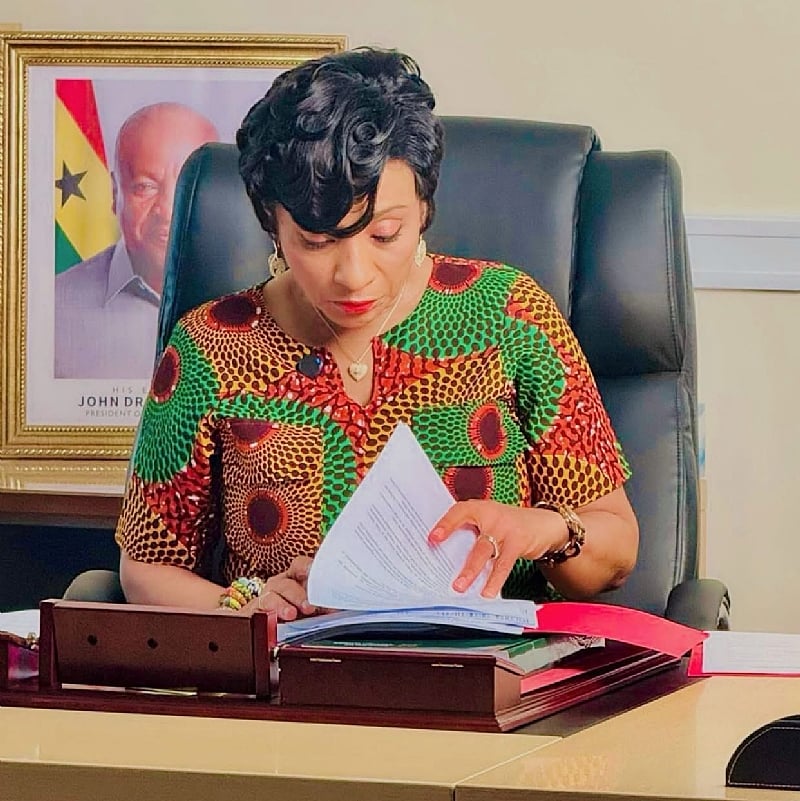
Ghana’s High Commissioner to the United Kingdom and Ireland, H.E. Sabah Zita Benson, has raised fresh questions on TV3’s ‘Ghana Tonight’ show on Wednesday, August 12, 2026 about the management of government scholarship funds, challenging beneficiaries and policymakers to account for the public resources invested in students sent abroad to pursue higher education.
“What happens to the money that we invest in them?” Benson asked, as she sought to highlight concerns over scholarship beneficiaries who remain abroad beyond their approved study periods while continuing to claim financial support from the Ghanaian taxpayer.
Her comments come amid a wider controversy over unpaid tuition fees and stipends owed to Ghanaian scholarship beneficiaries in the United Kingdom. The accumulated liabilities have been variously reported at between £32 million and £35 million, with some students reportedly experiencing delays of several months or years.
Benson has argued that the present administration inherited a significant scholarship debt and has been working to clear the accumulated obligations. She has also criticised what she describes as reckless scholarship awards under the previous administration, citing cases in which spouses and children of beneficiaries allegedly received substantial financial support from the scholarship programme.
In one example she cited, a scholarship beneficiary was reportedly accompanied by a spouse and three children, with each dependant allegedly receiving £8,160 to accompany the beneficiary to the UK. Benson argued that resources spent in such circumstances could instead have been used to settle outstanding tuition and stipend obligations owed to students.
The High Commissioner has previously disclosed that the government owed approximately £5 million specifically to Ghanaian PhD students in the UK in unpaid tuition and stipends.
Her argument raises a fundamental question about public investment in education: what obligations should scholarship beneficiaries have to the State after receiving substantial taxpayer-funded support?
Benson has pointed to provisions in Ghana’s new scholarship framework requiring beneficiaries who choose to remain abroad and work after completing their studies, in circumstances covered by the applicable rules, to refund monies spent on them.
The scholarship controversy therefore goes beyond the immediate dispute over unpaid fees. It touches on accountability, value for money, contractual obligations and the sustainability of Ghana’s public scholarship system.
The students affected by unpaid scholarships deserve prompt resolution of their legitimate claims. But taxpayers equally deserve assurance that public funds committed to human-capital development are properly managed, transparently accounted for and ultimately translated into benefits for Ghana.
As Benson’s question puts it: “What happens to the money that we invest in them?”
It is a question that deserves a clear answer—not only from scholarship beneficiaries, but from every institution responsible for approving, administering, monitoring and recovering public scholarship investments.
As fresh controversy erupts over unpaid government scholarships for Ghanaian students abroad, with Ghana’s High Commissioner to the United Kingdom, H.E. Sabah Zita Benson, insisting that the current administration did not send any of the affected students abroad under the scholarship arrangements now generating substantial arrears.
The comments come amid mounting concerns from Ghanaian students in the United Kingdom over unpaid tuition fees and stipends. In June 2026, UK-based Ghanaian PhD students stated that, despite assurances that funds had been released in April, none of the students in their cohort had received payments as of June 8.
In July, Benson further alleged that the previous administration had awarded scholarships in circumstances she considered financially excessive, including payments made in respect of spouses and children accompanying scholarship beneficiaries. She argued that expenditure on dependants contributed to the accumulation of outstanding scholarship liabilities.
Her position, however, has been challenged by former Scholarships Secretariat Registrar and Abuakwa South MP, Dr Kingsley Agyemang, who has disputed the characterization of the scholarship debt and argued that scholarship liabilities naturally roll over because academic years do not correspond neatly with government financial calendars.
The dispute therefore goes beyond the immediate question of unpaid fees.
Who is a legitimate beneficiary of the Ghanaian scholarship?
#InternationalYouthDay #KW

Michael Agbesi Kelly, © 2026
This Author has published 105 articles on modernghana.comColumn: Michael Agbesi Kelly
Disclaimer: “The views expressed in this article are the author’s own and do not necessarily reflect ModernGhana official position. ModernGhana will not be responsible or liable for any inaccurate or incorrect statements in the contributions or columns here.”
Follow our WhatsApp channel for meaningful stories picked for your day.
Top Stories


Originally published on www.modernghana.com
