

July 15, 2026
Vagla Celebrates JINTIGI FESTIVAL across the Savannah Region of Ghana
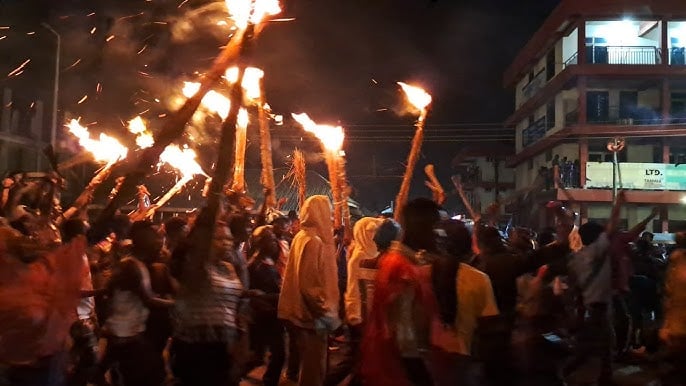


Vagla Celebrates JINTIGI FESTIVAL across the Savannah Region of Ghana
Vagla and their associate group namely Vagla, Safalba, Chorba, Nomee, Batigee, Lusoze (Nlorso), Luura, Tindanas, across the Savannah Region of Ghana in West Africa celebrated their annual traditional festival known as JINTIGI FESTIVAL. This festival is usually celebrated in the month of JINTIGI according to the Lunar Calendar of the Vagla people based on their traditions and Customs. It is important to note that Vagla, by religion, are traditionalists (animists) with strong belief in their deities, shrines, totems, and ancestors. Thus, the JINTIGI FESTIVAL is one of the revered Vagla traditional festivals. The 2026 JINTIGI FESTIVAL was celebrated across all the Vagla communities in the Savannah Region of Ghana in late June and ended early July 2026. As the Festival is based on the Lunar Callender and on sightseeing Jintigi Moon, the date is not fixed.
In Vagla South, the JINTIGI festival was celebrated in high spirits in the Vagla community of Balbol (Beel (Bole) with the throwing of fires (Ninha) or firebrands to mark the traditional event. Also, the same throwing of fires (Ninha) or firebrands occurred in the Vagla Community of Chorbang. Similar JINTIGI festival events occurred in other southern communities, including Mandari, Gbenfu, Segezi, Mamful, Zaakpa (Sakpa), among others.
In Vagla Central, several communities celebrated the 2026 JINTIGI FESTIVAL including Sawla from the Sawla Traditional Square of Bosiban to Dagbigu, Gindaabol, Gorbol, Kunlog, among others, to mark the JINTIGI FESTIVAL. Jintigi festival is an important annual festival to the Vagla.
Interestingly, in Vagla North, the same festival was celebrated in Tuna, Nakwabi, Sanyari, Soma, Nahari/Kunfulsi, Kalba, Kpongri, among other northern communities. Also, the Jintigi festival was celebrated in the extreme communities to the East, like Jang and Dabori. JINTIGI FESTIVAL is a revered traditional event which is usually marked with the holding and throwing of Fires at the evil moon at night at the Village or Town Centres called Bosiban in Vagla and their associated group areas. The fires are thrown towards the evil moon at the top of a traditional tree or fig tree.
Due to the traditional importance the Vagla people give to the traditional festival or event of JINTIGI, the Vagla traditional leaders do approve and endorse the traditional practice of throwing fires against the evil moon. The Vagla Chiefs, namely the Heuhina, Koro and Tindanas, support the youth to mark the event. Vagla Chiefs do caution the youth on the fire throwing to do so with moderation. Also, the Vagla traditional Chiefs, Elders and Leaders often use the occasion to urge the youth to avoid copying alien practices such as processing or lining up with fires and chanting bravely/war songs while holding firebrands. Such strange practices are abominable and should be treated as alien cultural acts that are against the traditions and the customs of the Vagla people. The Vagla and the associated groups’ Chiefs, Youth and People must protect their true fire practice.
The Traditional Logic of the JINTIGI FESTIVAL of the Vagla People of Northern Ghana
The Month of JINTIGI is viewed as a ‘bad month’. The JINTIGI Moon, per the traditional belief of the Vagla people, is a ‘bad moon’ or an ‘evil moon’, so when it is sighted, the Vagla people light up firebrands or pick up firebrands or sticks of firewood with fire to throw at the evil moon that is sighted in the Vagla Community. The Vagla people usually move to the Community Centre or the Traditional Square, which is called BOSIBAN. Most Vagla Community Centres or Traditional Squares have some older trees like fig trees and other related trees. The Vagla people then throw firebrands or sticks of firewood with fire at the tree, pointing the firewood towards the evil moon and throwing firewood towards the evil moon. The throwing of fire at the evil moon at night lands on the big tree, signifying the throwing of fire against the evil moon.
The significance of the throwing of Fire or Firewood at the Evil Moon called JINTIGI MOON
The Vagla people use firebrands (sticks of fire) to chase the evil moon or evil things that may befall their communities. The throwing of fires at the moon also signals that the Vagla people are awake and are ready to battle spiritually against all sorts of evil that are associated with the Evil or bad Moon. It is a period of fervent prayers to their ancestors that the Vagla people have sighted the evil moon and the people called their ancestors to protect them for the Month of JINTIGI against evil or misfortunes. In this regard, the Vagla people in almost every house, the Vagla people prepare Tuo Zaafi (TZ) and put the TZ (Lalaa Kuu) in calabashes or sacred bowls and put the sacred food or meal down for their ancestors. It is the belief of the Vagla people that their ancestors will come home that night and eat the sacred TZ (Lalaa Kuu). True to that, the next morning the ancestors do visit each of the traditional homes and eat the Lalaa Kuu (ancestors TZ) that was kept for the ancestors. The evidence of the ancestors eating the TZ is seen under the Calabash TZ with marks all over the TZ. The ancestors do not eat the TZ from the top of the Calabash TZ, but mysteriously the ancestors eat from the TZ from the bottom of the Calabash. The Vagla in the morning then performs some prayers thanking the ancestors for coming home to eat or dine with the family members (the living). The people have the belief that the ancestors have come to protect them for the period of the evil moon or the bad JINTIGI MOON. Thus, the importance of the fire festival.
Why is the Month of JINTIGI ‘Evil’ or ‘Bad’ according to the Vagla people?
According to the beliefs of the Vagla people, children who are born in the JINTIGI moon are sent to shrines or deities for prayers (spiritual cleansing) so that the children will be good. It is believed that the moon or month of JINTIGI is evil, so it is best to seek spiritual protection for all children born within the period. Such prayers are necessary for the future of the children born in JINTIGI MONTH OR MOON. Also, special prayers are offered by clan heads or family heads for all members of the family, so that no evil will befall any family member within the JINTIGI Month.
Brief Information about Vagla
Vagla are the aborigines of the North. Vagla is an ethnicity that belongs to the Gur language. Vagla has the same history as the Sissala of the Upper West Region of Ghana, the Mo (Deg) of Savannah Region and Bono East, the Tampulma (Tampulensi) of Upper West and Savannah Region, and the Chakala of Upper West. Vagla are more in the Bole, Sawla-Tuna-Kalba and West Gonja Districts. For chiefdoms, Koro Bamara is the supreme Chief at Beel/Bole, and Tindana matters are at Sonyo
Credit: Heuhina Koro Tindana Council, Savannah Region
Disclaimer: “The views expressed in this article are the author’s own and do not necessarily reflect ModernGhana official position. ModernGhana will not be responsible or liable for any inaccurate or incorrect statements in the contributions or columns here.”
Follow our WhatsApp channel for meaningful stories picked for your day.

Top Stories




<!–
–>
Originally published on www.modernghana.com
