

March 11, 2026
Thousands Queue for Basic Food Aid in Plateau State Amid Economic Strain
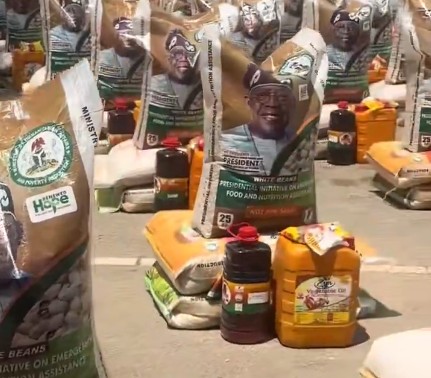
On March 9, 2026, the Federal Government of Nigeria launched a major distribution of emergency food and nutrition items in Jos, Plateau State. The event, held at the New Government House in Little Rayfield, formed part of the Renewed Hope Agenda under President Bola Ahmed Tinubu. Officials described the initiative as a direct effort to support vulnerable households facing food insecurity, economic hardship, displacement, and the effects of climate shocks and insecurity.
The program provided essential relief packages, including bags of rice, palm oil, and other staples, to thousands of residents. The Minister of Humanitarian Affairs and Poverty Reduction led the flag-off ceremony and highlighted the President’s commitment to placing citizen welfare at the center of national policy. Plateau State Governor Caleb Mutfwang praised the timely intervention, noting it offers immediate relief while broader economic reforms continue to take effect.
A video shared widely on social media captured long lines of people receiving these items, sparking intense online discussion. The footage, posted by popular account
Social media users describe the action as reflecting widespread frustration that such handouts might influence voter choices in future elections rather than address root causes of poverty.
Many Nigerians expressed mixed feelings in responses. Some acknowledged the real desperation that makes people accept aid for immediate survival, while others criticized the approach as a recurring political tactic. Comments pointed out that short-term relief often overshadows the need for lasting solutions like job creation, stable electricity, affordable food prices, and reduced insecurity. One reply captured the sentiment bluntly: poverty becomes a tool that keeps citizens dependent instead of empowered.
This distribution arrives amid ongoing national challenges, including high inflation and food scarcity that have persisted into 2026. While government sources frame these efforts as compassionate support aligned with Ramadan season generosity in some related announcements, public reactions reveal deep skepticism. For many observers, the sight of crowds gathering for rice and oil symbolizes both immediate necessity and a cycle of hardship that handout programs have yet to break. The debate continues about whether such interventions truly renew hope or merely extend reliance on temporary measures.
