

August 26, 2026
The Surge in Galamsey: Trading Our Heritage, Water and Health for Quick Cash?


Wed, 26 Aug 2026 Feature Article
The Surge in Galamsey: Trading Our Heritage, Water and Health for Quick Cash?
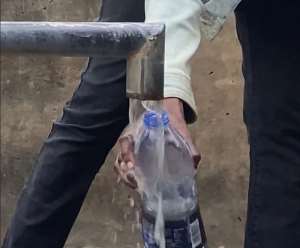
A quiet catastrophe is reshaping the mineral-rich rural landscape of Ghana. In places like Pokukrom, Mfanteman, Achiase, and Meretweso, all in the Upper Denkyera East municipality, where deep green forests once stood and clear rivers sustained generations, a landscape of craters, muddy wasteland, and yellowing vegetation now remains.
The recent surge in illegal small-scale mining has escalated from a lingering environmental nuisance into a full-blown national emergency.
As heavy machinery pushes deeper into forest reserves and cocoa lands, the nation faces a stark, existential question: Are we willingly trading our ancestral heritage, our vital water bodies, and our collective health for a few quick bars of gold?
A Heritage Dug Out from the Roots
Land in Ghana is more than just property; it is a sacred link between the ancestors, the living, and generations unborn. For centuries, this heritage was protected by traditional laws, taboo days, and sustainable farming.
But what has become of those laws that protected and sustained the lands and rivers which served generations before us? Today, that cultural contract is being systematically torn apart by the lure of instant wealth.
The current surge in galamsey is heavily mechanized, capital-driven, and relentlessly fast. Vast expanses of pristine cocoa farms, the very backbone of Ghana’s economic identity, are being bulldozed. Farmers, cornered by economic hardship, are selling off their arable lands for cash payouts that vanish within months.
In doing so, entire communities are losing their economic sovereignty. When the topsoil is stripped away and mixed with toxic slurry, the land becomes permanently barren. We are effectively selling the future of agriculture in Ghana to fund the immediate consumption of the present.
The Death of Our Waters.
Now, the cost of this trade is more visible in our water bodies. Major rivers like the Offin, Pra, Ankobra, Birim, and Densu have been turned into thick, toxic streams of silt and heavy metals.
The Ghana Water Company Limited (GWCL) has repeatedly sounded the alarm, warning that the cost of treating raw water has skyrocketed because turbidity levels are off the charts. Some treatment plants have been forced to shut down entirely because the water is simply too muddy to salvage.
Shutdown of Water Treatment Plants / Dangerous Chemical Seepage
The deception we practice on ourselves is believing that water can be replaced. Wealthy urbanites buy bottled water, thinking they are safe from the crisis. But river systems feed the water tables, and water tables feed the boreholes and wells. No one, regardless of social status, can completely isolate themselves from a collapsing ecosystem.
The Silent Poisoning of a Nation.
While the destruction of land and water is visible, the impact on public health is a ticking time bomb. The extraction of gold in illegal pits relies heavily on the unregulated use of mercury and cyanide.
These neurotoxins do not stay in the mining pits; they wash into the rivers, seep into the soil, and enter the food chain. Medical professionals and researchers in mining enclaves are witnessing a terrifying trend.
Heavy Metal Seepage.
Mercury, for example, builds up in fish, root crops, and local vegetables, slowly poisoning consumers miles away from the mining sites.
Rising Medical Anomalies
Health facilities in galamsey zones report an alarming increase in chronic kidney diseases, liver failure, and respiratory issues among young people. It comes as no surprise that the ages of the majority of the obituary posters seen posted in these communities are less than 50 years.
Congenital Deformities
Most disturbing are the rising cases of birth defects, where children are born with missing limbs or developmental anomalies due to maternal exposure to toxic mining chemicals.
The “quick cash” earned from a galamsey pit is quickly spent at the pharmacy, the hospital, or on dialysis machines. The trade-off is mathematically and morally bankrupt.
Breaking the Cycle of Self-Destruction.
The surge in galamsey persists because it offers an immediate escape from poverty for millions of youths and massive returns for elite political and traditional financiers.
It is a highly lucrative economy built on the destruction of public goods. However, a nation cannot survive on gold alone. You cannot eat gold dust, and you cannot drink liquid gold.
Reversing this surge requires moving past performative military sweeps and addressing the root of the problem: enforcing strict legal accountability for the wealthy kingpins who supply the excavators, blocking the illegal supply lines of mercury, and creating viable economic alternatives in agriculture and eco-tourism.
Ghana is at a crossroads.
We can continue down this path of environmental liquidation, with few people enjoying temporary prosperity while our land dies around us. Or we can choose to protect what is truly priceless: our heritage, our water, and our health.
The choice must be made today, because tomorrow, the rivers may run completely dry.
By: Franklin ASARE-DONKOH

Franklin Asare-Donkoh, © 2026
This Author has published 39 articles on modernghana.comColumn: Franklin Asare-Donkoh
Disclaimer: “The views expressed in this article are the author’s own and do not necessarily reflect ModernGhana official position. ModernGhana will not be responsible or liable for any inaccurate or incorrect statements in the contributions or columns here.”
Follow our WhatsApp channel for meaningful stories picked for your day.

Top Stories


Originally published on www.modernghana.com
