

July 17, 2026
Supreme Court Exposes ‘Kululu’ in $270k Gold Case, Affirms Acquittal of Two Men


Supreme Court Exposes ‘Kululu’ in $270k Gold Case, Affirms Acquittal of Two Men
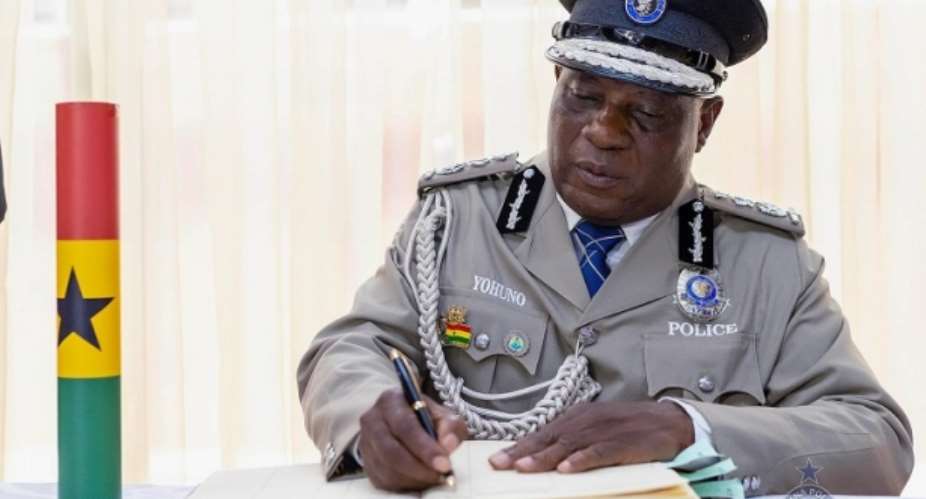
They were convicted four years ago. They served their sentence. The Court of Appeal threw out the conviction. The Republic appealed to the Supreme Court — and lost again. What emerged at the apex court was startling: the police investigator had engaged in what many Ghanaians bluntly call kululu.
Graphic Online’s Justice Agbenorsi reports that a police investigator’s unusually close relationship with a foreign complainant in a $270,000 gold‑export scam case has drawn sharp condemnation from the Supreme Court, which held that the officer showed a real likelihood of bias against the two men who stood trial.
According to court documents, the investigator even admitted to seeing the complainant off at the airport and once remarked that “every potential caller is an ally.”
A five‑member panel, presided over by Chief Justice Paul Baffoe‑Bonnie and with Justice Kweku Tawiah Ackaah‑Boafo delivering the lead opinion, dismissed the Republic’s appeal seeking to overturn the acquittal of Kwame Amponsah and Christopher Obareke. The panel also included Justices Ernest Gaewu, Henry Kwofie and Hafisata Amaleboba.
Finding: Investigator’s Closeness to Complainant Undermined Case
The court found that Detective Chief Inspector George Kingsley Adu had grown “notably close” to the complainant, Roberto Maria Di Lorenzo, even accompanying him to the airport when he left Ghana.
Yet the same officer treated the original investigator, Chief Inspector Adaba, with hostility — accusing him of running errands for the accused and giving testimony “full of inaccuracies and untruth.”
Justice Ackaah‑Boafo held that this stark contrast — friendliness toward the complainant and aggression toward a colleague whose only “offence” was reaching a different investigative conclusion — undermined the prosecution’s objectivity.
The court reminded prosecutors that they are ministers of justice, not conviction‑hunters, and cited Canadian authority stressing that police investigations and prosecutorial decisions must remain independent to avoid miscarriages of justice.
“The prosecutor is not an advocate for conviction but a minister of justice whose role is to seek the truth and assist the Court in the administration of justice.”
Background: A 2015 Gold Deal Gone Wrong
Amponsah and Obareke were tried with five others (still at large) over a 2015 transaction in which Di Lorenzo claimed he was defrauded of more than $270,000 after being promised 200kg of gold — but receiving only 2kg.
The High Court convicted the two in 2019 and sentenced them to 24 months’ imprisonment with hard labour plus fines. By the time the Court of Appeal quashed the conviction in 2021, they had already served the sentence.
Reasons: Weak Evidence, Missing Complainant, Circumstantial Links
The Supreme Court held that:
- The complainant’s absence from trial was fatal to the prosecution’s case. The prosecution relied on hearsay from an interpreter without proving the complainant was genuinely unavailable.
- Evidence linking the respondents to a prior agreement to defraud was largely circumstantial, leaving open the possibility that the real culprits were among the co‑accused still at large.
- Although the Court of Appeal erred in suggesting the absence of the original investigator alone was fatal, that mistake did not change the final outcome.
The Supreme Court therefore dismissed the appeal and affirmed the acquittal.
— Graphic Online

Top Stories


<!–
–>
Originally published on www.modernghana.com
