

August 4, 2026
Simplifying African Cooking for Better Food Safety


Tue, 04 Aug 2026 Feature Article
Simplifying African Cooking for Better Food Safety
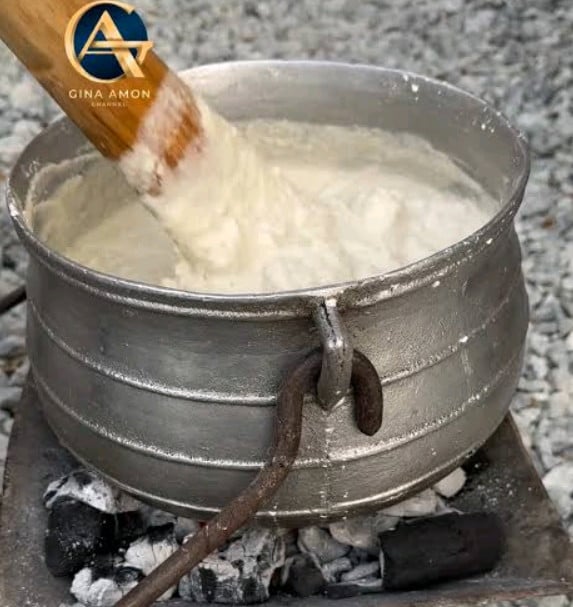
Traditional African foods such as banku, kenkey, waakye, koko, and groundnut soup are staples in many Ghanaian homes. However, these nutritious meals can pose health risks if the grains and nuts used are contaminated with aflatoxin—a poisonous substance produced by mould that grows on poorly dried or improperly stored crops.
Long-term exposure to aflatoxin has been linked to liver disease, weakened immunity, and impaired growth in children. Fortunately, simple changes in food handling and cooking can significantly reduce these risks without altering traditional recipes.
The first step is to buy quality ingredients. Consumers should choose clean, dry maize, groundnuts, beans, and rice while avoiding mouldy, damaged, or musty-smelling produce. Before cooking, grains and nuts should be sorted to remove discoloured or shrivelled pieces and washed thoroughly.
Proper drying and storage are equally important. Maize, groundnuts, and other crops should be well sun-dried before storage and kept in airtight containers or hermetic bags in cool, dry places to prevent mould growth.
Cooking methods also matter. Thorough boiling, roasting, and proper fermentation help reduce harmful microorganisms and lower aflatoxin levels. For example, lightly roasting groundnuts before preparing soup and ensuring maize dough is prepared from clean, well-fermented maize can improve food safety. Likewise, rice and beans should be washed, sorted, and cooked thoroughly, while leftovers should be refrigerated promptly.
Food safety begins in the home. Although regulatory agencies continue to monitor food quality, households remain the first line of defence against foodborne diseases. Adopting simple practices—buying quality ingredients, sorting, drying, storing properly, and cooking thoroughly—can greatly reduce the risk of aflatoxin exposure.
Protecting our health does not require abandoning cherished African dishes. By handling food more safely, we can preserve our culinary heritage while ensuring healthier meals for our families and communities.

Frank Ayim Damptey, © 2026
This Author has published 155 articles on modernghana.com. More I am a distinguished Ghanaian business leader and entrepreneur, serving as the Chief Executive Officer of Tata Beverages Company Limited and Tata Industrial Company Limited. With over two decades of experience in senior executive roles, I brings extensive expertise across multiple industries, including brewing, soap manufacturing, water treatment, paint and ink production, agriculture, technology, and food processing.
Beyond my leadership in Ghana, I have provided consultancy services to several start-up companies across Liberia, Sierra Leone, Burkina Faso, and Nigeria, helping to drive growth and innovation within West Africa’s industrial sector.
My work with Tata Beverages reflects my unwavering commitment to delivering high-quality products and advancing local manufacturing standards. As an author and thought leader, I have also contributed insightful articles to Modern Ghana, sharing my perspectives on business, development, and industry trends.I also have a few published research findings.Column: Frank Ayim Damptey
Disclaimer: “The views expressed in this article are the author’s own and do not necessarily reflect ModernGhana official position. ModernGhana will not be responsible or liable for any inaccurate or incorrect statements in the contributions or columns here.”
Follow our WhatsApp channel for meaningful stories picked for your day.

Top Stories


2 hours ago


2 hours ago


Originally published on www.modernghana.com
