

March 14, 2026
Senator Jimoh Ibrahim claims President Tinubu cannot magically fix the thirty trillion naira inflation crisis inherited from the Buhari administration in Nigeria
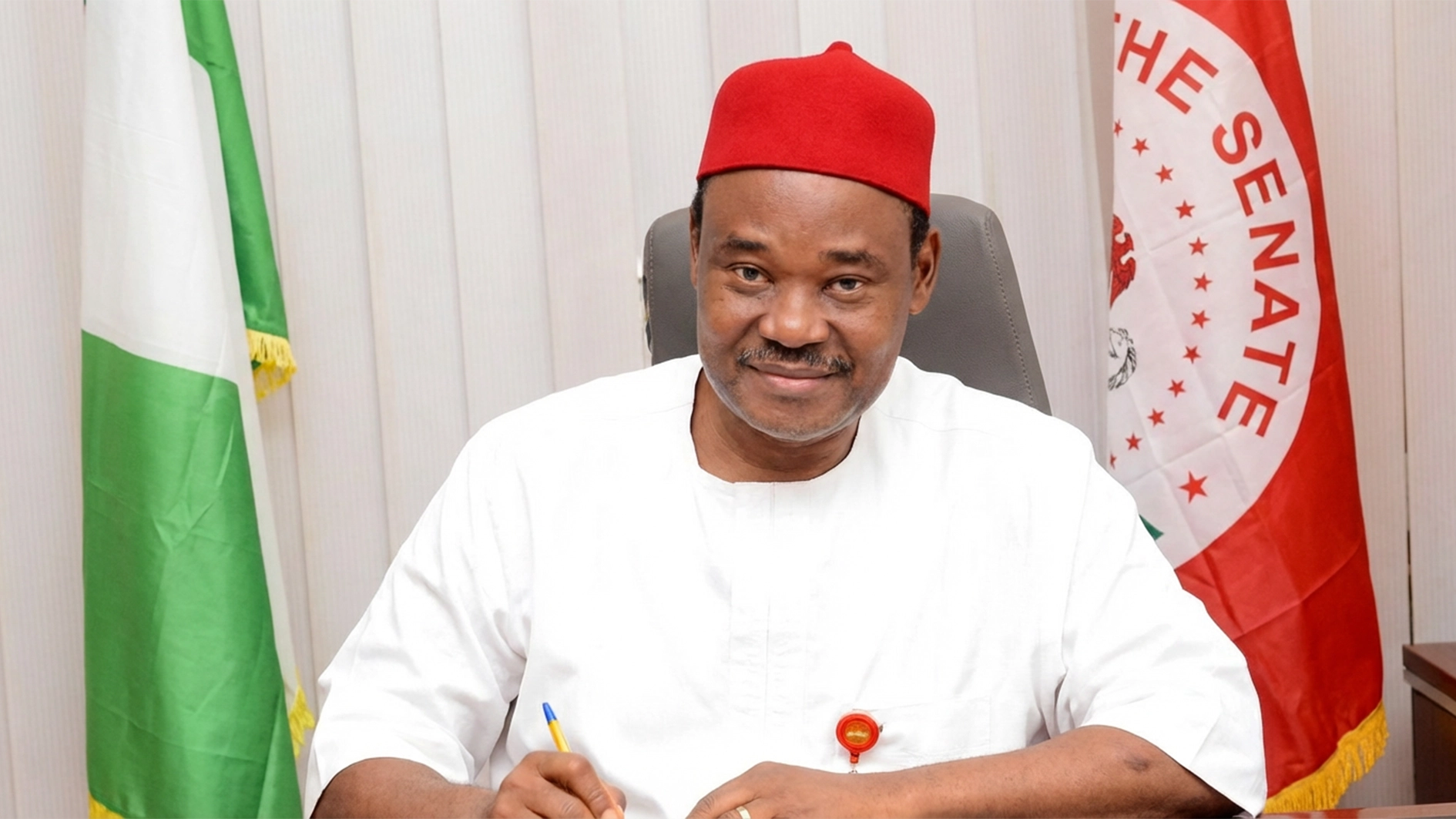

The economic shadow of the previous government continues to loom over Nigeria as Ambassador-designate Senator Jimoh Ibrahim defends President Bola Tinubu against growing public impatience. Speaking on the current state of the nation, Ibrahim characterized the expectation of an overnight economic recovery as a fantasy, pointing directly to the thirty trillion naira printed during the tenure of the late Muhammadu Buhari as the root cause of the country’s hyperinflation.
Ibrahim revealed that upon taking office, the Tinubu administration inherited a dire financial landscape where cash-to-GDP stood at a staggering 0.5 percent. The Senator disclosed that he had personally urged the President to go public with the full extent of the “financial recklessness” and aimless borrowing that defined the previous eight years. However, he noted that members of the cabinet advised against such a disclosure to avoid political distractions within their shared party.
This sentiment was echoed by Finance Minister Wale Edun, who previously informed the Senate that the Central Bank of Nigeria’s use of Ways and Means overdrafts between 2015 and 2023 was not matched by any productive activity. Edun noted that while a privileged few benefited from this influx of capital, the broader Nigerian population was left to grapple with a debt profile exceeding forty-six trillion naira and an inflation rate that was already at 22 percent by the time the transition of power occurred.
Despite the domestic struggle with rising food prices and the removal of fuel subsidies, Ibrahim suggested that external geopolitical factors might provide Nigeria with an unexpected lifeline. He argued that the escalating conflict between the United States, Israel, and Iran has pushed global oil prices above one hundred dollars per barrel. For Nigeria, this surge in energy costs represents a double-edged sword: while domestic petrol prices have spiked to over one thousand naira per litre, the increased inflow of foreign currency could allow the government to stabilize the naira and reduce its reliance on borrowed funds.

Ibrahim highlighted that under Tinubu’s management, the revenue-to-debt servicing ratio has already seen improvement, moving from a critical state where 96 percent of revenue was consumed by debt to a more manageable 68 percent. He remains optimistic that if the government strategically utilizes the windfall from high oil prices, the macroeconomic system will eventually stabilize, though the path to recovery remains tethered to the massive liquidity issues created by the previous era.