

July 25, 2026
Prayer Now Replaces Costly Insulin For Young Nigerians Fighting Diabetes And Hypertension In A Broken System
4 hours ago | Health
Prayer Now Replaces Costly Insulin For Young Nigerians Fighting Diabetes And Hypertension In A Broken System
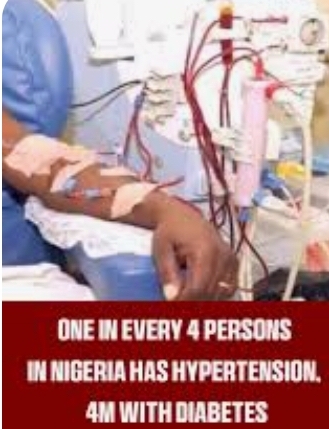
In Nigeria today, diabetes and high blood pressure are no longer “old people’s diseases.” Students, NYSC members, and young parents are being diagnosed in their 20s and 30s, even as insulin prices have jumped from ₦4,000 to as high as ₦25,000 per vial. ODIMEGWU ONWUMERE in this report found out that many patients juggle prayer, herbs, and hospital drugs because faith and community keep them going, but doctors warn that delaying medical care leads to stroke, kidney failure, and death. The article traces that with one in three adults hypertensive and millions unable to afford treatment, health experts are calling for government subsidies and better primary care before the crisis gets worse
Across Nigeria, the story of chronic illness is changing fast. In hospital wards in Lagos, Enugu and Abuja, the people checking blood sugar are not just grandparents. They are 19-year-old undergraduates, 24-year-old corps members, and 31-year-old fathers.
The numbers back it up. Health officials estimate diabetes prevalence at 6% to 12% of Nigerians, and it is showing up earlier because of poor diets, obesity and lack of exercise. The Nigerian Hypertension Society said in 2026 that one in every three adults lives with hypertension, yet fewer than one in five gets it under control. They call it the “silent killer” because it shows no symptoms until it causes stroke, heart failure or kidney problems.
For many families, the first explanation is not medical. In several communities people still believe chronic conditions are sent by enemies or ancestral curses. Patients and relatives often run to churches or traditional healers for deliverance before they go to a clinic. Health workers say this belief leads to late presentation. A dietitian in one study described patients treating diabetic foot wounds with prayer and olive oil, only arriving at hospital when gangrene and maggots had set in, sometimes ending in amputation or death.
At the same time, faith is what keeps many people going. Research and patient accounts show that prayer, fasting and church support give people emotional strength to cope with daily management. In clinics, some doctors even incorporate prayers and family involvement because they know culture matters to adherence.
But belief alone cannot replace insulin. The cost is breaking people. An endocrinologist at FMC Abeokuta said an average diabetic now needs between ₦70,000 and ₦100,000 monthly for medication. Insulin that sold for ₦3,600 a few years ago now goes for ₦19,000 to ₦25,000 per vial, and pens cost around ₦65,000. A vial that should last a week is now a week’s salary for many. Bernard Enyia of the Diabetes Association of Nigeria said some patients use three vials a month, pushing costs above ₦150,000 when you add other drugs. Syringes have also gone from ₦50 to ₦600 each.
Because of this, many people mix treatments. Surveys show most Nigerian patients combine prescribed drugs with herbal remedies or spiritual interventions. Some abandon treatment altogether and turn to cheaper, unverified alternatives imported in parallel markets. The Association of Persons Living with Diabetes warned that this non-compliance is driving more complications and deaths nationwide.
The human cost is visible in everyday stories. Tunde, 24, from Lagos, has had Type 1 diabetes since age 12. His biggest fear during NYSC was keeping insulin cold in camp with no steady power. He carried a cooler bag and spoke early to his commander so he could eat during parade. “If you don’t speak up, people will assume you are just weak,” he said. He now works in tech and tells colleagues when his monitor beeps for a snack break.
Chiamaka, 19, in Enugu, was diagnosed with Type 2 in her first year. She blamed “Indomie and Coke” nights and PCOS. Friends told her mother it was “jazz.” She found help online with other Nigerian “Sugar Warriors,” switched to grilled fish and salad, lost 10kg, and now controls her sugar with less medication.
Musa, 31, in Abuja found out he was diabetic during a visa medical. His fear was simple: “Will I see my daughter grow up?” The Abuja hustle of late-night suya and malt had to stop. Now he and his daughter take evening walks, and she knows how to bring him his glucometer.
Young patients face stigma too. Many hide insulin injections because people associate needles with drug use. Healthy food like salads, fish and acha costs more than a ₦500 plate of rice and beans. In dating, the big question is when to tell a partner.
Doctors say the solution is not to choose between faith and medicine, but to do both safely. The Hypertension Society is pushing free screening and media campaigns for 2026, and wants government to subsidize drugs and expand health insurance. The Federal Ministry of Health has started distributing local glucometers to primary health centres to catch cases early.
Experts are blunt: delay kills. Poverty, transport costs, and drug prices force people to skip doses or take less than prescribed. “For a hypertensive patient, a 15 per cent release of their medication is a death sentence,” one analyst wrote, arguing that treating hypertension is really investment in human capital. The message from patients is just as clear. Carry your kit. Join support groups. Ask questions. And don’t wait for a miracle to replace your medication.
Onwumere is Chairman, Advocacy Network on Religious and Cultural Coexistence (ANORACC)
Originally published on www.thenigerianvoice.com
