

August 7, 2026
NUGS proposes social media ban for children under 15 to tackle indiscipline


NUGS proposes social media ban for children under 15 to tackle indiscipline
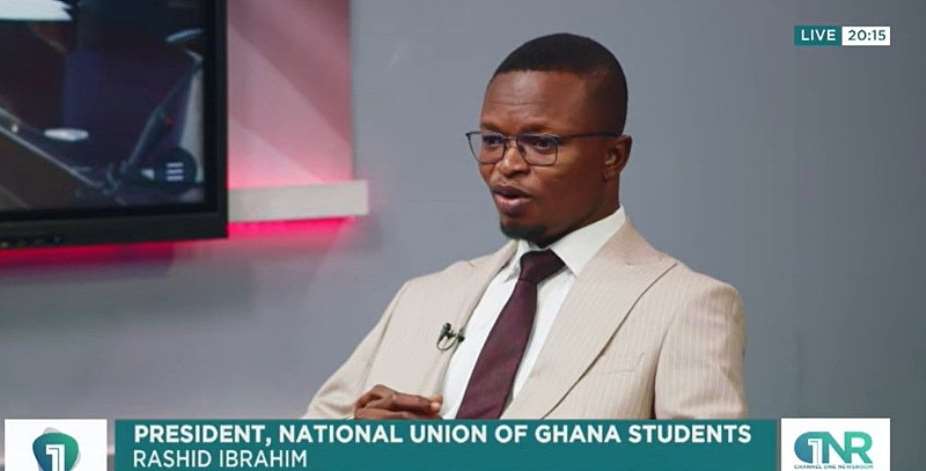
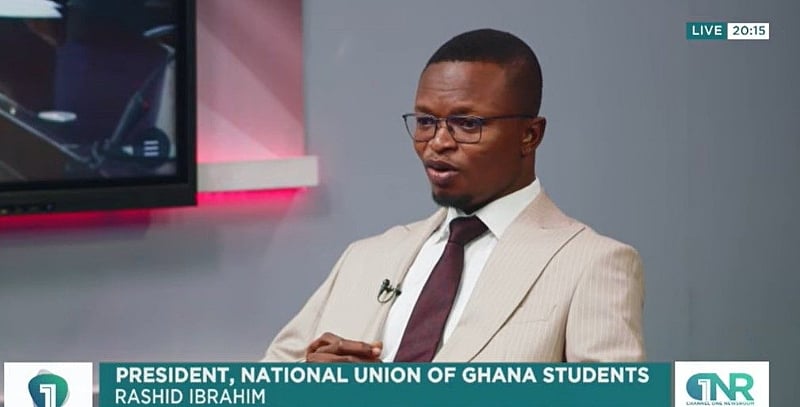
The President of the National Union of Ghana Students (NUGS), Rashid Ibrahim, has proposed banning children under the age of 15 from using social media as part of efforts to curb rising indiscipline and promote moral development among young people.
Mr Ibrahim, who is also a legal practitioner, argued that unrestricted access to social media is increasingly exposing children to harmful content and behaviours that undermine their values and character.
He suggested that Ghana could adopt measures similar to those implemented in countries such as Australia, France and Indonesia, where restrictions have been introduced to regulate children’s access to social media platforms.
The NUGS President made the proposal at the fourth Muslim Leaders and Catholic Bishops Dialogue, held under the theme: “Addressing the Challenges of Rising Indiscipline in Our Schools: The Role of Faith-Based Organisations.”
Beyond social media, Mr Ibrahim identified weak parental supervision and inadequate monitoring within schools as major contributors to the growing cases of indiscipline among students.
He stressed the importance of instilling accountability in young people, insisting that children must understand that misconduct attracts consequences. He therefore called for appropriate sanctions to be imposed on juveniles who violate established rules and regulations.
Also addressing the gathering, the Commission Secretary of the National Commission for Civic Education (NCCE), Lucille Hewlett Annan, urged parents to place greater emphasis on the upbringing and welfare of their children.
She noted that raising responsible children requires significant financial, emotional and time investment, and encouraged parents to commit the necessary resources to their development.
“Taking care of children requires money. It requires time, it requires a lot of resources, and it requires prayers,” she said.
Senior Lecturer and Lead Convener of the Department of Religious Studies at the University of Ghana, Dr Haruna Zagoon-Sayeed, also called for increased government support for faith-based organisations to strengthen moral and character education in schools.
He questioned how schools with large student populations could effectively provide moral guidance with limited chaplaincy resources.
“Imagine a school with 2,000 students and you have one chaplain who should be able to give the moral education that we expect. Children will not misbehave if they don’t see misbehaviour in their environment,” he said.
Associate Professor at the University of Ghana, Very Reverend Father Cosmos Ebo Sabah, also advocated giving teachers and school authorities greater powers to enforce discipline.
According to him, the country’s education system places excessive emphasis on academic achievement while paying insufficient attention to the moral and character development of students.
Top Stories


Originally published on www.modernghana.com
