

July 11, 2026
Nkoko Nketenkete: The Feathers We Gave, the Feed We Forgot
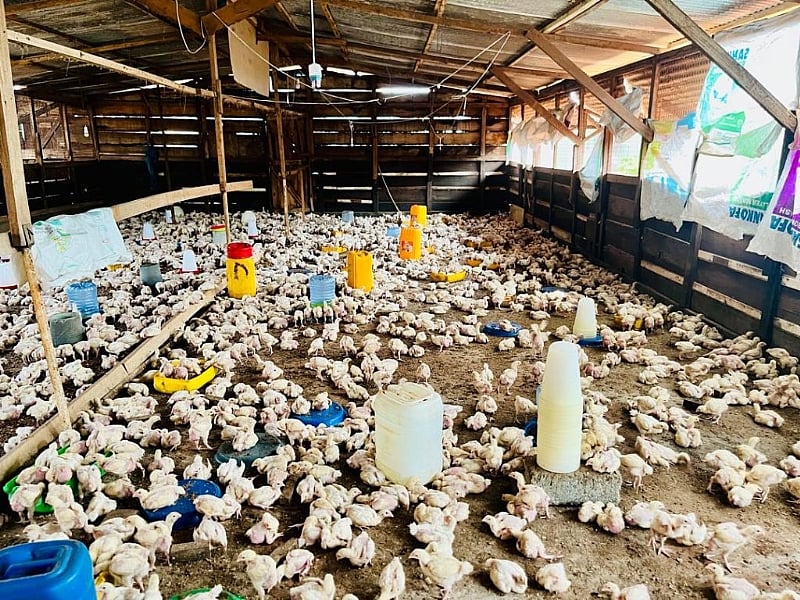


Nkoko Nketenkete: The Feathers We Gave, the Feed We Forgot
A promise fulfilled on paper is not the same as a policy that works on the ground
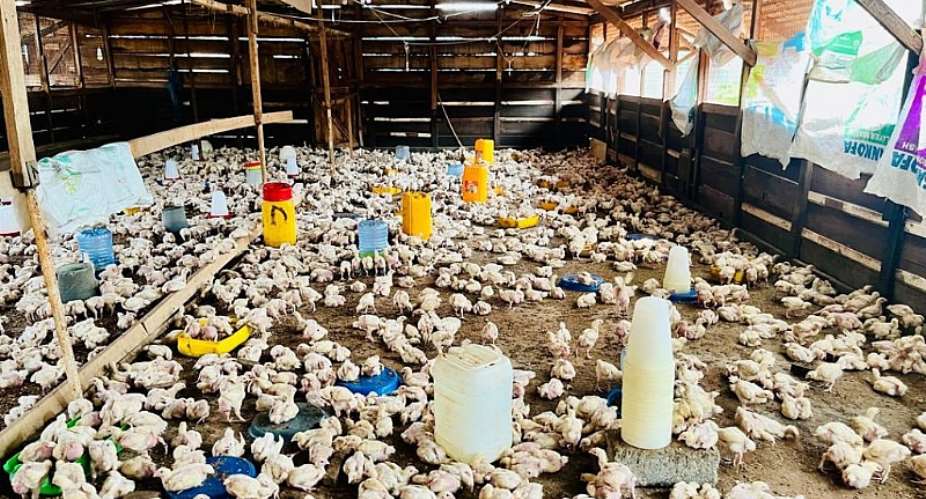
When President John Dramani Mahama stood at Jubilee Park in Kumasi in November 2025 to launch the Nkoko Nketenkete Household and Backyard Poultry Production Initiative, he was doing what every politician dreams of doing: keeping a promise, in public, with television cameras rolling. Three million birds. Sixty thousand households. Fifty chicks per beneficiary, plus feed and technical guidance. A flagship line inside the wider Feed Ghana Programme, built to claw back some of the $350 to $400 million Ghana spends every year importing frozen chicken it could, in theory, be rearing at home.
On paper, the logic is sound and the need is real. Ghana produces barely 15,000 metric tonnes of the roughly 350,000 metric tonnes of poultry meat it consumes annually. Closing even a fraction of that gap with local production, local jobs and local feed demand is not a frivolous idea. It is, in fact, the kind of intervention CSR and development literature has argued for in Ghana’s agriculture sector for years. That is the good.
The Good
The programme names a genuine structural problem and puts government money and political capital behind fixing it. In places like Komenda-Edina-Eguafo-Abrem, the model has worked close to plan: birds arrived, mortality during brooding was low, and farmers received refresher training on feeding, sanitation and record-keeping before the chicks even landed. That is what implementation is supposed to look like. It shows the framework itself is not the enemy; uneven execution is.
The Bad
Travel outside the well-covered launch districts, however, and the story changes. In Nkoranza North, agriculture officials told the Ghana News Agency that of more than 50,000 registered farmers, only about 10,000 had actually received birds, feed and support — leaving tens of thousands with a promise and nothing else. In the Eastern Region, the regional director of agriculture publicly flagged “delays in feed and vaccine supply, transportation issues in remote areas, and some mortalities during transit” — the polite bureaucratic language for chicks dying because the logistics chain around them was not ready. An independent assessment published shortly after the launch went further, warning that day-old chicks need temperature-controlled brooding, consistent ventilation and reliable electricity that many beneficiary households simply do not have, and that feed — 60 to 70 percent of production cost — remains volatile and unstabilised at the household level.
This is precisely the shape of the story your farmers told you about the piglets. Government arrives with the animal. Government does not arrive, at the same time, with the means to keep the animal alive. The farmer is left holding a liability dressed up as a gift, and asking, reasonably, “what was I expected to feed it with?”
The Ugly
The clearest evidence that this is not a one-off complaint but a pattern came from the government’s own mouth. Appearing before Parliament’s Assurance Committee on July 9, 2026, Agriculture Minister Eric Opoku disclosed that a number of Nkoko Nketenkete beneficiaries have simply killed and eaten the birds they were given — sending him videos, as he put it, saying “we are eating everything.” A minister was forced to publicly concede that a flagship “sustainable livelihoods” programme is, in places, functioning as a one-off protein handout. That is not a communications problem. It is the clearest possible signal that beneficiaries were not adequately prepared, resourced, or convinced that rearing was more valuable to them than consuming — which is exactly what happens when the input chain (feed, training, market access) lags behind the political timetable for handing over the birds.
This is where the corruption question fairly enters the conversation, and it deserves to be asked carefully rather than shouted. Large, decentralised, cash-and-input distribution programmes — chicks, feed, vaccines, logistics, moving through 276 constituencies and multiple MMDAs — are exactly the kind of intervention where procurement inflation, ghost beneficiaries, and diverted feed allocations have historically thrived in Ghana, under governments of every stripe. Nobody has proven that is happening here. But nobody outside government has been shown, in detail, what it would take to prove it is not: unit costs per bird and per bag of feed, supplier names and contract values, district-by-district disbursement figures, and independent mortality and consumption audits. Silence on those numbers is not evidence of wrongdoing, but it is exactly the vacuum in which suspicion — yours and the public’s — grows.
Misplaced Priority, or a Promise That Had to Be Kept?
The honest answer is both, and that is the uncomfortable part. A campaign promise, once made, creates real political pressure to deliver visibly and on schedule — the ribbon-cutting, the “another promise fulfilled” press line, the regional minister crediting the President for “not just making promises, but fulfilling them.” That pressure is not irrational; trust in governance is partly built on visible delivery. The failure is not that government tried to keep its word. The failure is treating the handover of the animal as the delivery, when the actual promise — sustainable household income and food security — depends on everything that has to happen after the cameras leave: functioning feed supply chains, trained and monitored beneficiaries, veterinary support, and a market to sell into. Ghana’s previous livestock distribution schemes made the same mistake with different animals. Nkoko Nketenkete is not a new failure mode; it is an old one wearing feathers instead of piglets.
The Remedy
If this programme is to stop being an expensive photo opportunity that periodically ends in a pot of soup, five things need to happen, and none of them require abandoning the policy:
1. Bundle the delivery, not just the birds. No chicks should leave a distribution point without a matching, pre-positioned feed and vaccine allocation for the full rearing cycle, under one accountable contract — not a promise of feed to come later. Nkoranza and Eastern Region show what happens when the bird arrives ahead of everything it needs to survive.
2. Train and assess before handover, not after. KEEA’s low-mortality result followed pre-distribution training. That should be the standard everywhere, not the exception that gets written up as a success story.
3. Publish the numbers, monthly, by district. Birds distributed, feed tonnage delivered, mortality rates, and — uncomfortably — consumption-versus-rearing rates. A minister should not have to disclose beneficiaries eating their stock as an aside to a parliamentary committee; it should already be sitting in a public dashboard.
4. Let the Auditor-General and PIAC in early, not late. A real-time value-for-money audit of feed and chick procurement contracts — supplier names, unit costs, delivery timelines — would do more to kill the instinct that something is being hidden than any press statement. If the numbers are clean, publishing them costs government nothing and buys it credibility. If they are not, the public deserves to know before, not after, the next tranche of birds goes out.
5. Build an institutional memory before the next flagship launch. Ghana has run pullet and livestock outgrower schemes before — some successful, like the Women in Poultry Value Chain Association’s model with USAID and GIZ, which paired inputs with structured repayment and training. A standing unit that captures what failed in the piglet scheme, what worked in the pullet programmes, and what is failing now in Nkoko Nketenkete would stop each new government from relearning the same lesson at public expense.
Closing
Ghana does not lack good ideas for its poultry sector. It lacks the discipline to finish what it announces. Nkoko Nketenkete can still be redeemed — the demand from farmers in Nkoranza asking for more chicks, not fewer, shows the appetite for the programme is real. But redemption will come from feed trucks arriving on schedule and audited books, not from another launch speech. Until then, every farmer who watches a chick starve, or quietly puts it in the pot, is entitled to ask the same question your farmers asked about the piglets: what, exactly, did government think we would feed it with?
Rexford Adjei Darko is a Public Relations Practitioner, Governance & AI Advocate and CSR Researcher.

Rexford Adjei Darko, © 2026
Public Relations Practitioner, Governance & AI Advocate and CSR ResearcherColumn: Rexford Adjei Darko
Disclaimer: “The views expressed in this article are the author’s own and do not necessarily reflect ModernGhana official position. ModernGhana will not be responsible or liable for any inaccurate or incorrect statements in the contributions or columns here.”
Follow our WhatsApp channel for meaningful stories picked for your day.
Top Stories


<!–
–>
Originally published on www.modernghana.com
