

August 17, 2026
Nigeria’s Silent Epidemic: Why Road Traffic Crashes Deserve The Same National Attention As Deadly Diseases
4 hours ago | Opinion
Nigeria’s Silent Epidemic: Why Road Traffic Crashes Deserve The Same National Attention As Deadly Diseases

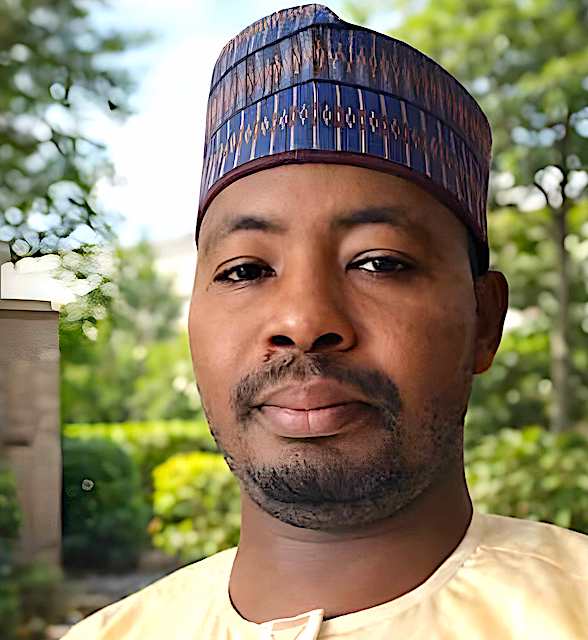
Yusuf Alhaji Lawan
In recent months, I have received one heartbreaking message after another announcing the death of friends, acquaintances, community members and relatives in road traffic crashes. Almost every week, another promising life is cut short on our highways. Each announcement leaves behind grieving families, shattered dreams and communities struggling to recover from avoidable tragedies. One is left with reflection on these painful experiences, popping up questions on why road traffic crashes become Nigeria’s most neglected public health emergency.
Diseases such as Polio, Malaria, COVID-19, cholera and Lassa fever rightly attract national attention. Governments launch campaigns, development partners provide funding, the media sustain public awareness and communities are mobilized to fight them. Yet, road crashes which claim thousands of lives every year rarely receive the same sustained attention. The deaths occur one after another as they become ordinary headlines and society gradually accepts them as inevitable. But they are not.
The reality is alarming. According to the Federal Road Safety Corps (FRSC), Nigeria recorded 10,446 road traffic crashes in 2025, resulting in 5,289 deaths and more than 33,000 injuries. Although, fatalities declined slightly compared to 2024, the number of crashes and injuries increased, showing that the country is still battling a serious road safety crisis.
Globally, the situation is equally disturbing. The World Health Organization (WHO) estimates that road traffic crashes claimed approximately 1.16 million lives worldwide in 2025, making road injuries one of the leading causes of death among children and young adults aged 5–29 years. These figures represent more than statistics. Behind every number is a father who will never return home, a mother whose children have become orphans, a student whose education ended abruptly or a breadwinner whose family suddenly faces poverty. Unlike many diseases that affect individuals gradually, road crashes often destroy several lives in a matter of seconds.
I remember vividly during my National Youth Service, like two decades ago when I joined the Road safety club as a Cadet Marshal. Part of our responsibility was sensitization across motor parks, monitoring traffic movements and other forms of activities. Then, we follow up the monthly reports of road crashes and fatalities across the country. Even then, the figures were frightening. Sadly, instead of witnessing remarkable improvement over the years, the challenge appears to have become even more complex as vehicle ownership has increased, roads have become busier and human negligence continues to undermine safety. Road traffic crashes are rarely caused by fate alone. In most cases, they result from a combination of human, mechanical, and environmental factors.
Human factors remain the greatest contributor. Excessive speed, dangerous overtaking, reckless driving, driving under fatigue, distraction from mobile phones, alcohol or drug impairment, overloading and disregard for traffic rules continue to claim countless lives. Many drivers treat highways as racing tracks, forgetting that one careless decision can wipe out an entire family.
Mechanical failures also contribute significantly. Bald tyres, faulty brakes, worn steering systems, broken headlights and poor vehicle maintenance continue to threaten road users. Some commercial vehicles remain on Nigerian roads long after they should have been withdrawn from service.
Environmental and infrastructural factors further worsen the situation. Poor road conditions, potholes, collapsed bridges, inadequate road signs, poor street lighting, flooding, abandoned broken-down vehicles and weak traffic management all increase the likelihood of fatal crashes. During rainy season, these risks multiply considerably.
Perhaps the most painful aspect of road crashes is that they discriminate against no one. Rich or poor, educated or illiterate, politician or trader, professor or student, religious leader or labourer, everyone remains vulnerable. Every road user is a potential victim. The highway recognizes neither social status nor political influence. Beyond the tragic loss of life, road crashes impose enormous economic costs on families and the nation. Survivors may live with permanent disabilities requiring lifelong medical care. Businesses lose experienced workers. Families lose breadwinners. Billions are spent treating crash victims, repairing damaged infrastructure and responding to emergencies. Productivity declines while poverty increases among affected households.
The question therefore is not whether Nigeria has a road safety problem. The question is whether we are prepared to treat it with the seriousness it deserves. The government has an important responsibility. Road infrastructure must receive continuous maintenance. Dangerous black spots should be identified and corrected. Traffic laws should be enforced consistently rather than selectively. Driver licensing systems must prioritize competence instead of revenue generation. Commercial transport operators should undergo regular safety audits without exploitation, while emergency response services should be strengthened to improve survival after crashes.
The FRSC, state traffic agencies, transport unions, schools, religious institutions, traditional rulers, civil society organizations and the media must also deepen public education on road safety. Just as health campaigns changed public behaviour regarding vaccination and infectious diseases, sustained road safety education can reshape attitudes toward speeding, reckless driving and vehicle maintenance.
Technology can also become part of the solution as used in other countries. Speed cameras, intelligent traffic management systems, vehicle inspection technologies, dashboard monitoring devices and improved crash data collection can assist authorities in identifying risk patterns and enforcing compliance. Appropriate non-monetary punishments can help correct some misdoings.
Yet, government action alone will never be enough. Every Nigerian has a personal responsibility. Drivers must respect speed limits and avoid dangerous overtaking. Passengers should reject overloaded vehicles and speak up when drivers behave recklessly. Pedestrians must use designated crossings where available. Parents should teach children road safety from an early age. Employers should discourage driver fatigue by allowing adequate rest periods, particularly for commercial transport operators. Changing our attitude toward road safety may save more lives than any new law.
As a nation, we must stop treating road crashes as unavoidable acts of destiny. Many of these deaths are preventable. Every life saved preserves a family, strengthens the economy and safeguards the future of our nation. Nigeria successfully mobilized enormous resources to fight COVID-19 because lives were at stake. We continue to invest heavily in combating malaria, polio, HIV/AIDS and other diseases for the same reason. The silent epidemic occurring daily on our roads deserves similar urgency.
The next victim of reckless driving could be anyone, a neighbour, a colleague, a child, a parent or anyone, anywhere. Road safety is not merely the responsibility of the Federal Road Safety Corps. It is the responsibility of every Nigerian who uses the road. If we all choose caution over haste, discipline over recklessness and responsibility over indifference, thousands of lives can be saved every year. The time to act is now before another siren echoes through another grieving family.
Yusuf Alhaji Lawan writes from Hausawa Asibiti Ward, Potiskum Yobe State. He can be reached via [email protected].
Disclaimer: “The views expressed on this site are those of the contributors or columnists, and do not necessarily reflect TheNigerianVoice’s position. TheNigerianVoice will not be responsible or liable for any inaccurate or incorrect statements in the contributions or columns here.”
Originally published on www.thenigerianvoice.com
