

April 1, 2026
Nigeria Vice President Kashim Shettima spends 10million naira on two pressing irons while other agencies inflate food costs.
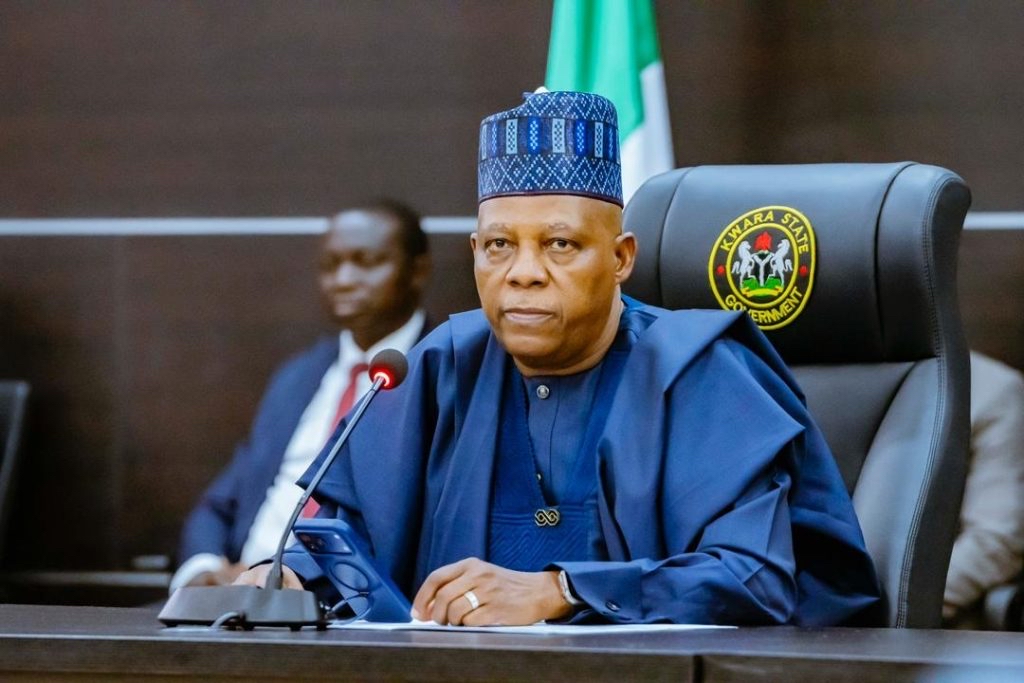

A series of staggering revelations from government expenditure records has ignited a fierce debate over fiscal responsibility within Nigeria’s top administrative offices. Data extracted from the civic tech platform GovSpend indicates that the Office of Vice President Kashim Shettima authorized a payment of ₦10 million for just two industrial pressing irons.
The transaction, processed on June 24, 2023, through the State House Headquarters Transit Account, awarded the contract to Riteddy Resources Limited. This effectively values a single ironing unit at ₦5 million, a figure that has left procurement experts and the public searching for a justification that has yet to materialize.
Beyond the Laundry Room
The controversy surrounding the Vice President’s office appears to be part of a broader pattern of questionable spending across various government sectors. Recent audits of the records show a disconnect between market realities and official disbursements:
- Premium Cooking Oil: The Pension Transitional Arrangement Department reportedly spent ₦6.8 million on a single 20 liter container of groundnut oil. For context, a larger 25 liter container typically retails for less than ₦100,000 in local markets.
- The Multi-Million Naira Tea Break: In August 2025, Diamond Seasons Nigeria Limited received ₦8.6 million to supply staff tea for a mere two month period.
- Police Provisions: Under Inspector General Kayode Egbetokun, the Nigerian Police Force recorded over ₦239.4 million in 2025 for canned goods and snacks, including biscuits, baked beans, and milk.
A Crisis of Accountability
While GovSpend was designed to provide transparency and allow citizens to track the movement of public funds, the data it reveals often paints a grim picture of how national resources are prioritized. The absence of technical specifications or competitive bidding details for these high priced items has fueled suspicions of gross inflation and mismanagement.

Despite the growing visibility of these records and the ensuing public criticism, neither the Presidency nor the affected agencies have issued a formal response to explain these fiscal anomalies. In a climate where the average citizen faces significant economic pressure, these multi million naira receipts for basic household commodities represent a deepening divide between the government and the governed.