

July 16, 2026
New monkey species with orange lips discovered in DR Congo, only the fifth found in Africa in 75 years
Advertisement
New monkey species with orange lips discovered in DR Congo, only the fifth found in Africa in 75 years
)
)
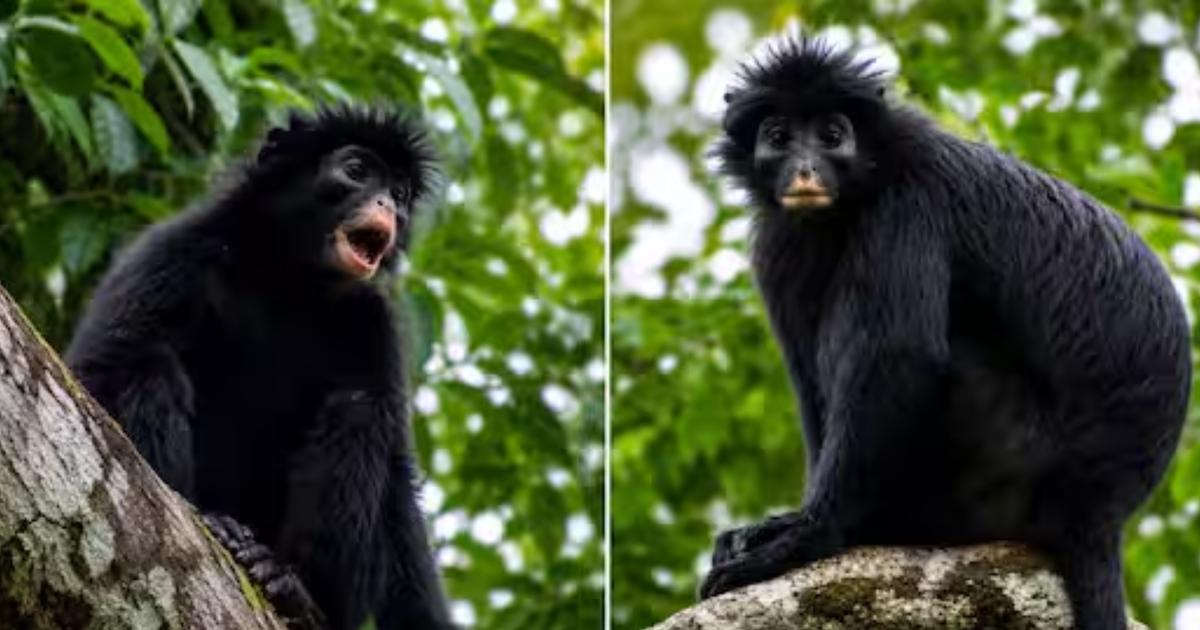
Scientists discover new monkey species with orange lips in DR Congo, only the fifth found in Africa in 75 years. Photo credit: Science Alert
Scientists have confirmed the discovery of a new monkey species in the Democratic Republic of Congo (DRC), marking only the fifth new African monkey species identified in the past 75 years and the second major primate discovery from the same forest in just over a decade.
Advertisement
-
Scientists have identified a new monkey species in DR Congo after years of research.
-
The orange-lipped primate is only the fifth new African monkey species discovered in the past 75 years.
-
Researchers say the endangered species highlights the Congo Basin’s rich but threatened biodiversity.
Advertisement
The species, named Colobus congoensis and known locally as likweli, was described in a study published on 15 July in the journal PLOS One. The research was led by John Hart of the Lukuru Wildlife Research Foundation and an international team of scientists.
The monkey was discovered in Lomami National Park in the Congo Basin, the world’s second-largest tropical rainforest after the Amazon. Between 2018 and 2022, researchers recorded 114 sightings across an estimated range of 1,700 square kilometres between the Lomami and Lualaba rivers.
)
The new species of monkey, Colobus congoensis, known locally as Likweli, has deep, resonant, roaring calls like those of other Colobus species.CreditCredit…
Advertisement
Scientists first suspected the animal’s existence in 2008 after photographing an unidentified monkey during an expedition. A clearer sighting later revealed it lacked a thumb, a distinctive feature of colobus monkeys. In 2020, researchers launched the Likweli Project, collecting photographs, recording its calls and analysing tissue samples to determine whether it represented a new species.
Adult likweli weigh about seven kilogrammes and are covered in glossy black fur. They are easily recognised by their bright orange lips, orange-cream markings around the mouth, slate-grey cheekbones and a tuft of white fur on the rump. Researchers also found the monkey’s deep roars and snorts differ from those of other colobus species.
Genetic, anatomical and acoustic analyses confirmed that the likweli is a distinct species. Scientists estimate it diverged from its closest known relative, the black colobus, between four and five million years ago.
Advertisement
The monkey is known by different names among local communities. Hunters from the Balanga ethnic group call it likweli, while members of the Mituku ethnic group refer to it as kasaba nkoni, meaning “the branch shaker”, a reference to the animal’s agile movement through the forest canopy.
)
A photograph of Colobus congoensis, whose common name is the local vernacular name, “likweli.”
Credit: Daniel Rosengren
Because of its limited range and small population, researchers have recommended that Colobus congoensis be classified as Endangered on the IUCN Red List. They warned that hunting and habitat loss around the park pose significant threats to its survival.
The discovery further strengthens Lomami National Park’s reputation as one of Africa’s most important wildlife research sites. The park was also where scientists discovered the lesula monkey in 2012, and researchers believe the Congo Basin may still hold other undiscovered mammal species.
Advertisement
Latest Videos

Advertisement
Videos
)
)
)
Advertisement
Advertisement
More from Pulse Ghana
)
)
)
)
)
)
Advertisement
Originally published on www.pulse.com.gh
