

March 27, 2026
Instead of killing them, we should give terrorists a chance to repent — Nigerian Chief of Defence Staff General Oluyede
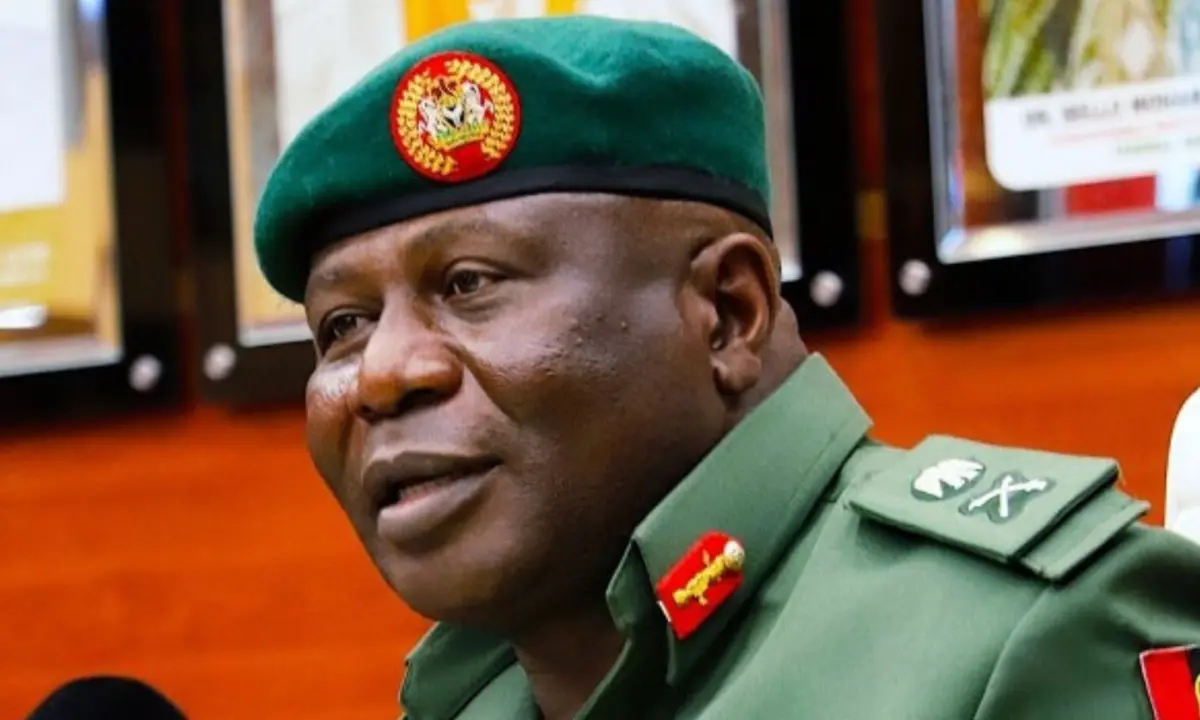
Nigeria’s top military commander has ignited a firestorm of public criticism after suggesting that the nation’s armed forces should prioritize rehabilitation over neutralisation for insurgents. Speaking at the Nigerian Armed Forces’ inaugural lecture in Abuja, Chief of Defence Staff General Christopher Musa Oluyede defended the military’s restraint by invoking religious parables, a move that has left many citizens questioning the state’s security strategy.
Addressing the recurring public demand for more aggressive military action following deadly attacks, General Oluyede argued that because most insurgents are Nigerian citizens, they deserve a window of opportunity to surrender. He framed the issue as a choice between pushing militants to further extremes or offering them a path back into society. To illustrate his point, the General referenced the New Testament story of the prodigal son, suggesting that even those who have committed atrocities should be granted a chance to repent.
The General’s remarks come at a sensitive time as he advocates for the formalisation of a safe corridor programme. This structured pathway would allow terrorists to surrender and reintegrate into their communities, though Oluyede noted that the initiative currently lacks a dedicated budget. He has called upon the National Assembly to provide the necessary legislative and financial support to make this vision a reality.
However, the timing of the lecture could not have been more controversial. As the General’s comments circulated, news broke of a fresh attack on a community in Kwara State, heightening the emotional response from the public. Critics were quick to point out the perceived disconnect between the military’s theological approach and the grim reality of those burying victims of the ongoing insurgency.
Social media reactions have been swift and scathing, with many questioning whether biblical parables are an appropriate foundation for modern counterterrorism policy. The debate has also reignited old controversies, including previous claims by Sheikh Ahmad Gumi regarding the government’s direct knowledge of and negotiations with militant leaders.
While reintegration programmes have been used effectively in various global conflicts to reduce combatant numbers, the concept remains a hard sell in Nigeria. For a population grappling with daily security threats, General Oluyede’s message of forgiveness has highlighted a significant divide between high level military doctrine and the public’s demand for justice.
