

March 9, 2026
Ghana’s President Shocks Nation: Luxury Trips Abroad BANNED Overnight for Elite Public Boards
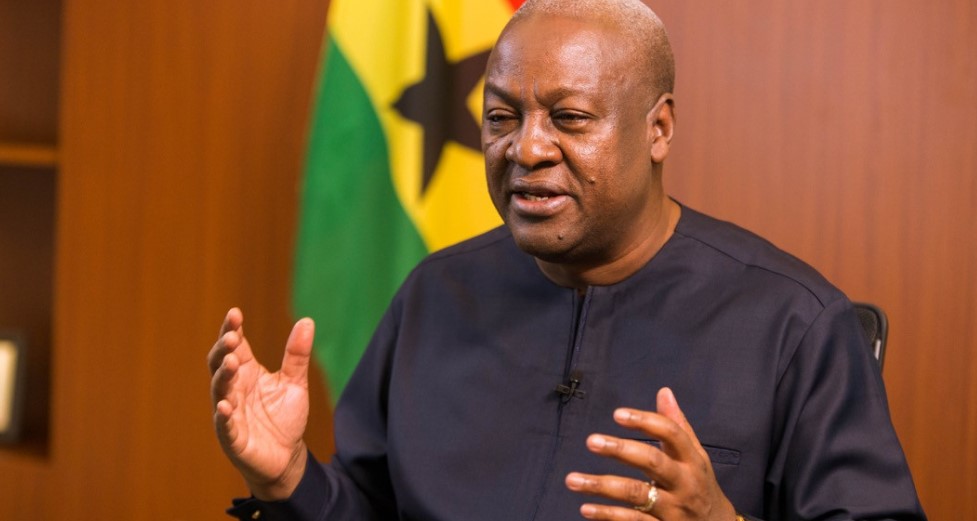

In a bold move sending shockwaves through Ghana’s public sector, President John Dramani Mahama has slammed the door shut on international travel funded by taxpayers for boards of state-owned enterprises and other public institutions. The directive, issued on March 5, 2026, from the Office of the President, demands an immediate end to overseas trips for training, conferences, retreats, or study tours. No more state-sponsored flights to exotic destinations for board members who once enjoyed these perks at public expense.
The presidential order pulls no punches. It highlights a troubling pattern where boards routinely jet off abroad, draining scarce public resources. President Mahama’s clear instruction states that such practices must cease with immediate effect. Boards are now barred from undertaking any international travel for these purposes when funded directly or indirectly from public funds. The goal is straightforward: enforce strict fiscal discipline, redirect money to pressing national priorities, and demonstrate that public office demands modesty rather than extravagance.
This decision forms a key piece of the administration’s broader RESET agenda. Launched after President Mahama’s return to power, the RESET initiative focuses on restoring economic stability, rebuilding trust in institutions, and channeling resources toward infrastructure, social programs, and everyday Ghanaians. By curbing what many view as wasteful spending, the government aims to show tangible commitment to prudence amid ongoing economic recovery efforts.
The announcement has sparked widespread reactions. Supporters praise it as a refreshing stand against elite entitlement, arguing that virtual meetings and local alternatives can easily replace most overseas events. Critics, however, point out similarities to temporary restrictions imposed during the previous New Patriotic Party administration, questioning whether this ban will truly stick or simply serve as political theater. Online discussions reflect this divide, with some users hailing the move as long overdue accountability while others dismiss it as unoriginal.

President Mahama’s action builds on earlier signals of austerity. His government has already reinforced bans on first-class travel for appointees and emphasized essential trips only. This latest directive extends that ethos directly to powerful boards overseeing critical state entities, signaling that no corner of the public sector escapes scrutiny.
As Ghana navigates its path forward, this sudden halt to globe-trotting by public boards underscores a larger message: national resources belong to the people, not to personal or institutional indulgence. Whether the policy reshapes boardroom culture or faces quiet resistance remains to be seen, but for now, the jets stay grounded, and the spotlight turns sharply toward results at home.