

March 16, 2026
Ghana Defies Public Outcry with November Deadline for New Presidential Jet to Replace Mahama Family Aircraft
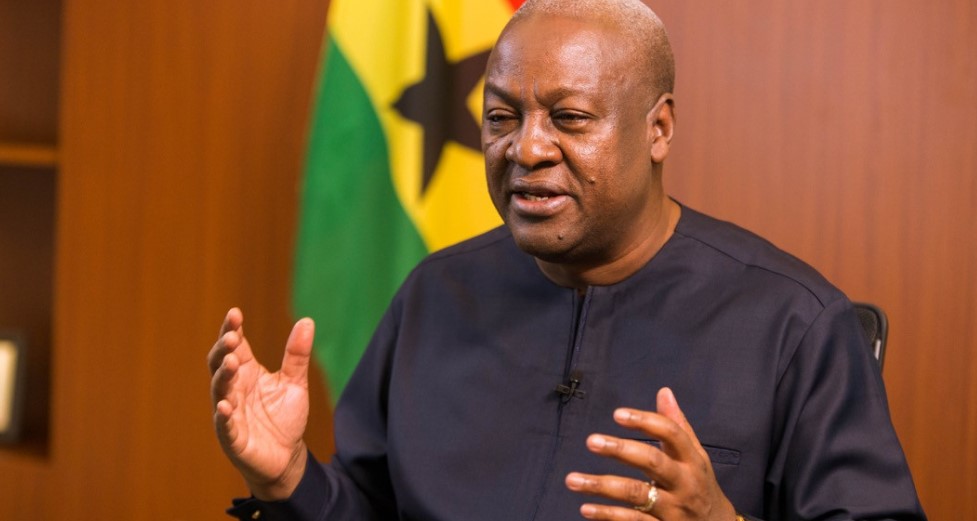
The Ghanaian government has officially set a November deadline to acquire a new presidential aircraft, a move intended to silence the fierce national outcry surrounding President John Dramani Mahama’s recent travel habits. This high-stakes procurement follows a wave of public indignation after it was revealed that the President has been utilizing a private jet owned by his own brother for official state business.
While critics have flagged the arrangement as a glaring conflict of interest, the administration is framing the purchase as a necessary step toward institutional independence. Callistus Mahama, the Executive Secretary to the President, acknowledged that the public’s skepticism is a vital component of a healthy democracy. He noted that while leadership must solve immediate logistical hurdles, they cannot ignore the moral optics of using family-owned assets for sovereign duties.
The decision to expand the state fleet is being presented as a matter of national security and diplomatic efficiency. Officials argue that Ghana’s current aviation inventory lacks the long-range capabilities required for modern global diplomacy. According to the presidency, relying on commercial flights or aging military hardware often compromises secure communications and the rigorous schedules demanded of a Head of State.
This acquisition is a central pillar of the President’s Reset Agenda, which seeks to overhaul the country’s infrastructure and military capacity. By integrating a dedicated jet into the Ghana Armed Forces by November, the government hopes to permanently retire the controversial “temporary arrangements” that have dominated recent headlines.
Despite the economic pressures currently weighing on the Ghanaian taxpayer, the administration maintains that owning a state asset is more transparent and cost-effective in the long run than the current improvised solutions. As the November deadline approaches, the move remains a litmus test for the government’s ability to balance essential state security with the public’s demand for fiscal and ethical accountability.
