

July 30, 2026
DRC court clears path to change a constitution that says it can’t be changed
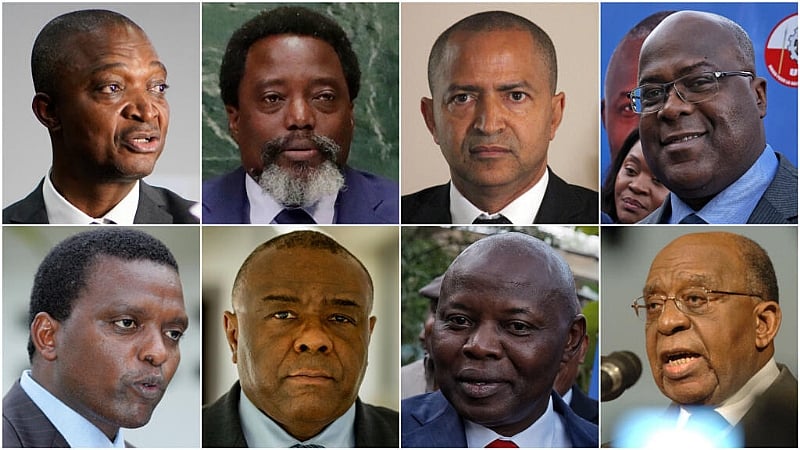


DRC court clears path to change a constitution that says it can’t be changed
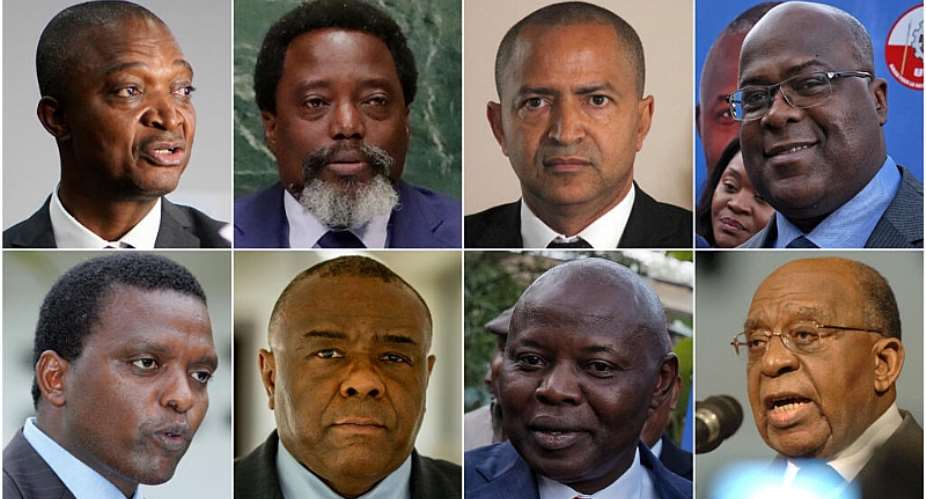
Congolese political figures are opposing the constitutional reform, including Moïse Katumbi. – © Photos AFP & AP – Montage RFI
The C64 opposition coalition is voicing its anger against the Constitutional Court ruling that validated a law on organising a referendum about the DRC’s constitution that could extend the rule of President Felix Tshisekedi.
The coalition brings together figures such as Martin Fayulu, Jean-Marc Kabund, Moïse Katumbi, Augustin Matata Ponyo and Delly Sesanga.
Following a consultation on Wednesday, they denounced what they called “high treason” and reaffirmed their opposition to any revision of the Constitution.
They believe that the Court now lacks credibility and legitimacy for having paved the way for a constitutional amendment.
“The Court’s ruling confirms the plot against the constitutional order and paves the way for the balkanization of the Republic,” Dieudonné Bolengetenge, Secretary-General of Katumbi’s party, said, as one of RFI’s correspondents in Kinshasa reported.
“The C64 reiterates that this ruling constitutes a judicial rebellion by the Constitutional Court against the sovereign people, who will ultimately defeat it,” he added. “The Congolese people will accept neither the circumvention of the Constitution, nor the personalisation of institutions, nor a change to the Constitution, nor a third term.”
Looking for a third term
The Congolese constitution limits the president to two terms and stipulates that it cannot be amended.
Tshisekedi, 63, has been in power since 2019 and under the current constitution has to step down at the end of his second five-year term at the end of 2028.
The head of state and his supporters have for months been preparing public opinion for a constitutional change, without explicitly stating that he will seek a third term.
They have called for this revision of the constitution that they say is “out of step with the expectations of the population”.
Tshisekedi maintained that he has “not sought a third term” but at a rare press conference in early May he stated: “If people want me to have a third term, I will accept”.
DRC opposition alarmed after President Tshisekedi hints at third term
‘Prohibited subjects’
The constitutional court approved a bill on Tuesday that would make it possible to alter the constitution’s “prohibited subjects of revision” in the event of “major dysfunction” paralysing state institutions, at the president’s initiative.
To do so, the head of state would have to convene a panel of experts whose conclusions would be submitted to a constituent assembly.
That assembly could then approve them by a three-fifths majority, before putting the bill to a public vote.
The judiciary and legislature are widely regarded as lacking independence in DR Congo, and opponents of the bill doubt that they could genuinely stand up to those in power.
A new constitution could equally reset the presidential term count for Tshisekedi.
Ongoing conflict in the east
The referendum is all the more controversial as voters in the eastern provinces might not go to the polls due to the ongoing conflict in North and South Kivu, between the army and the anti-government M23 group, backed by Rwanda. The group has seized swathes of territory in the eastern regions.
Voting might be impossible there even in the 2028 presidential election.
Fighting are ongoing even despite a peace accord signed in Washington in December between DR Congo and Rwanda.
The conflict has also “generated a powerful wave of nationalism which, at least temporarily, strengthens the political position of Tshisekedi against a backdrop of populist discourse”, the Ebuteli research institute said.
Sixty percent of the Congolese questioned believe their country is going in the “wrong direction” but more than 80 percent gave a favourable opinion of the president, according to an Ebuteli survey published in June.
The DRC‘s political opposition emerged weakened and fragmented from the 2023 presidential elections that Tshisekedi won by a wide margin.
In recent months, it has regrouped in the coalition nicknamed “C64”, especially to oppose the change to the constitution, but its ability to mobilise remains uncertain.
Civil society “is clearly more fragmented than 10 years ago” however, the Ebuteli institute said, and has succumbed to “a certain weariness after years of political struggle.”
The international community, it added, could send a “strong signal” by clearly opposing the proposed reform.
The opposition is also urging a national dialogue to begin before 15 August or, it says the government would face protests.
(with AFP)

RFI
All the news from France, Europe, Africa and the rest of the world.Page: rfi
Top Stories


3 hours ago


Originally published on www.modernghana.com
