

July 31, 2026
Court of Appeal rules Ghana Health Service and District Hospitals have legal personality; can sue and be sued


Court of Appeal rules Ghana Health Service and District Hospitals have legal personality; can sue and be sued
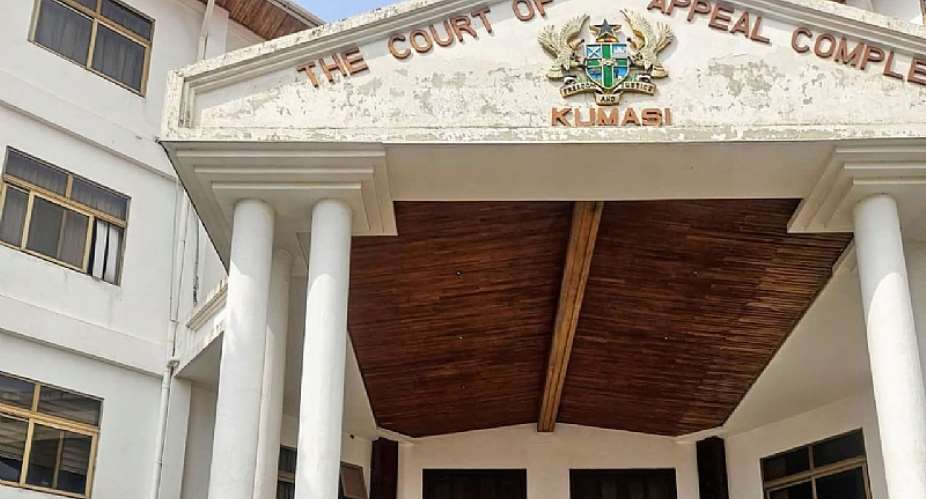
The Court of Appeal in Kumasi has unanimously ruled that the Ghana Health Service (GHS) and district hospitals are legal entities capable of suing and being sued, a landmark decision that strengthens accountability within Ghana’s health sector.
The decision was delivered on 23 July 2026 in the case of Emmanuel Frimpong Manso v. Atwima Mponua District Hospital & 2 Others. The appellate court overturned an earlier High Court decision and restored the Atwima Mponua District Hospital and the Ghana Health Service as defendants in a medical negligence case.
The ruling means that the Ghana Health Service and district hospitals can appear before the courts to seek legal protection when necessary and can also be held responsible through legal action when their actions or omissions cause harm.
The case followed a suit filed by Emmanuel Frimpong Manso against the Atwima Mponua District Hospital, the Ghana Health Service and the Attorney-General after the death of his wife during childbirth. The plaintiff alleged that negligence by health workers, including poor management of her pre-eclampsia condition and delays in getting anaesthetic support, contributed to her death.
However, the hospital and the Ghana Health Service challenged their inclusion in the case, arguing that they were not legal persons capable of being sued. The High Court agreed with the argument, removed them from the case and directed the plaintiff to file a new case against the appropriate heads of the institutions.
Mr Manso appealed the decision, leading to the landmark ruling by the Court of Appeal.
In its judgment, the Court of Appeal held that the Ghana Health Service and district hospitals have legal personality and can be sued or sue in their own names. The court explained that although the Ghana Health Service and Teaching Hospitals Act, 1996 (Act 525) does not contain a single section expressly stating this power, a careful reading of the law shows that the GHS was created as a public corporation with legal responsibilities.
The court noted that the Ghana Health Service can own property, employ staff, manage public resources and perform official functions. These responsibilities, the court said, naturally come with the ability to be held accountable in court.
The judges further stated that any institution created by law with the authority to act, employ workers and own property must also be considered capable of answering for any harm caused by its actions.
The Court of Appeal also rejected the suggestion that the plaintiff should have sued the heads of the hospital and the Ghana Health Service instead. It explained that those individuals do not represent permanent legal institutions and that such an approach would create unnecessary difficulties for people seeking justice.
The court stressed that justice should not be denied because of technical legal issues. It said courts must focus on resolving the real issues before them rather than removing parties from cases where their involvement is necessary.
The ruling is expected to have a major impact on medical negligence cases in Ghana. It confirms that hospitals and the Ghana Health Service can no longer avoid legal responsibility by arguing that they lack the capacity to sue or be sued.
The decision is also seen as an important step towards improving accountability and protecting the rights of patients and families who seek justice when they believe they have suffered harm through medical negligence.
The appellant was represented by Lawyer Isaac Gyeabour Ofori and the defendants by the Attorney-General.
 Isaac Gyeabour Ofori, Esq, Counsel for the appellant.

Desmond Tinana
News Contributor || Volta RegionPage: desmond-tinana

Top Stories


Originally published on www.modernghana.com
