

August 1, 2026
China’s Classic Cars: Emerging Niche or Asia’s Next Automotive Frontier?


China’s Classic Cars: Emerging Niche or Asia’s Next Automotive Frontier?
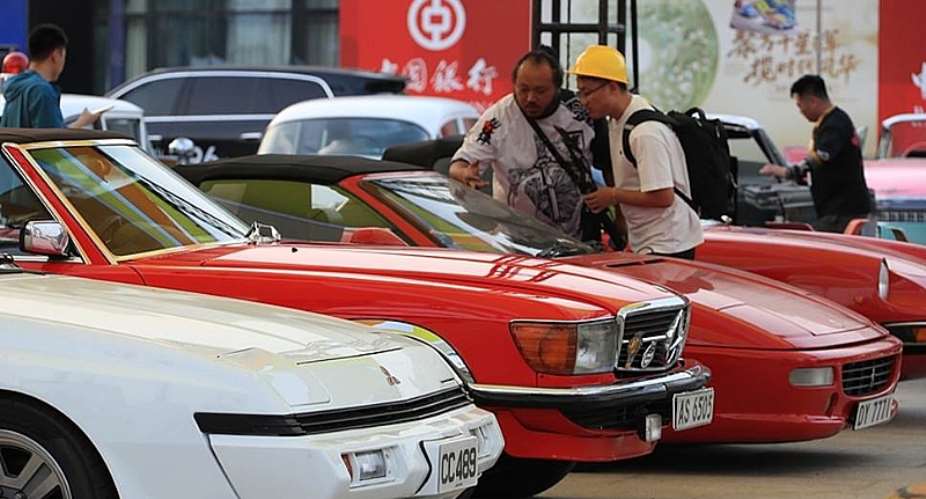
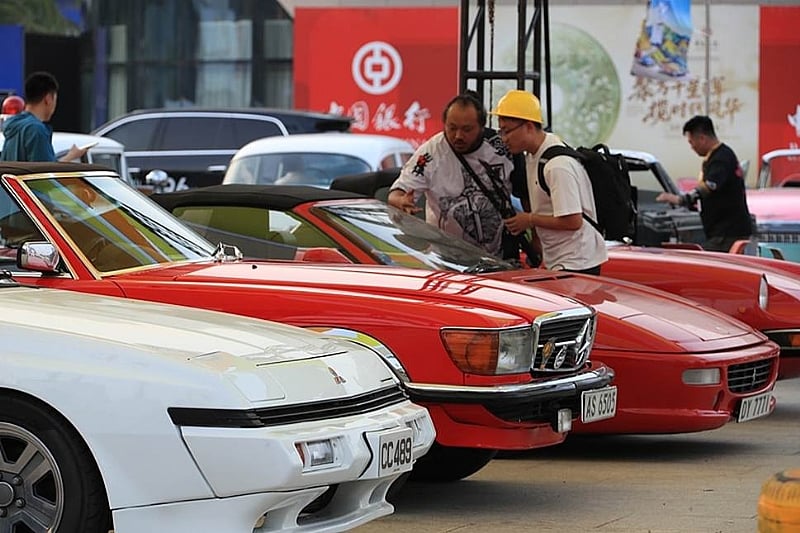
Visitors view classic vintage cars on display at a classic car culture exhibition in Haikou, Hainan Province, China, on April 11, 2026. [Photo: CFP]
While Western collector car cultures have spent over a century maturing into multi-billion-dollar industries, China’s story is just getting started. As the world’s largest auto market shifts from raw volume growth to a mature, multi-generational car culture, an intriguing question arises: Is China’s vintage car scene just a quiet niche, or is it Asia’s next great untapped automotive frontier?
Massive Scale vs. Structural Roadblocks
Having millions of aged vehicles on the road is not the same as fostering a classic car culture.
Out of China’s massive 370-million-unit fleet, tens of millions of cars are simply aging commuters destined for the scrap heap. True collector classics—vehicles with genuine historical, engineering, or emotional value—number just around 30,000 nationwide.
Preserving this tiny fraction remains a steep uphill battle.
“I’ve been obsessed with cars since primary school,” says veteran collector Richard Zen, who has amassed nearly 200 vehicles over the past decade. “But classic cars require specialized restoration, not basic parts swapping. In China today, finding technicians who understand vintage engineering—and sourcing authentic spare parts—is a huge hurdle.”
Beyond technical friction, regulatory barriers present an even steeper wall. Rigid road registration rules, a lack of official certification standards, and tight restrictions on public auctions have long insulated China’s nascent collector market from the global mainstream.
The Regulatory Thaw: Pilot Programs Take Off
That isolation is finally coming to an end. Chinese policymakers are beginning to view historic vehicles not as outdated polluters, but as industrial heritage and potential engines for high-end consumer spending.
Through new pilot initiatives across major trade zones and the rollout of standardized definitions for historic vehicles, regulators are carving out legal pathways to separate preserved collector models from old cars destined for the scrap heap.
Lei Wenlong, Chairman of the Shanghai Jiading Comprehensive Bonded Zone Development Corporation, emphasizes that clear definitions are vital because classic cars aren’t just generic old automobiles—establishing standards tailored to China’s unique market context is essential for long-term industry growth.
At the same time, local governments are increasingly approving classic car appearances in historic districts, commercial centers, and public rallies to spur business and cultural engagement.
Events like the Chinese leg of the Peking-to-Paris Motor Challenge and domestic historic rallies are bringing vintage motorsport into mainstream public view, shifting public perception from curiosity to genuine appreciation.
Uniquely Local Heritage
China isn’t simply copying Western automotive tastes; it is cultivating a distinctly domestic identity while stepping onto the international stage.
First-generation Chinese icons—such as the Dongfeng CA71, the Shanghai SH760, and the legendary Hongqi CA770—hold deep nostalgic power, representing the dawn of the nation’s industrial manufacturing as the crown jewels of top local collections.
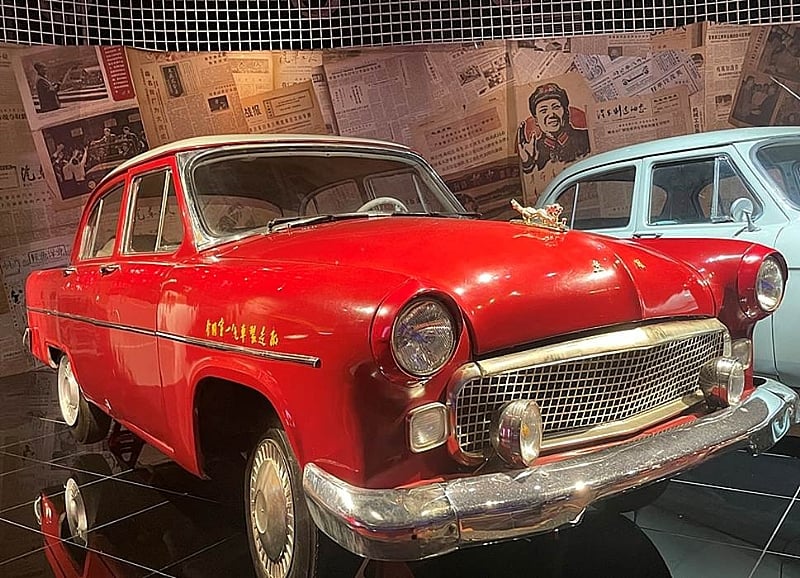 A replica of China’s first domestically produced Dongfeng CA71 sedan is displayed at the Beijing Automotive Museum on October 27, 2023. [Photo: CFP]
Driven by this burgeoning passion for automotive heritage, Chinese enthusiasts are also expanding their footprint beyond home borders. A growing number of collectors are now making their mark on the global stage, participating in world-renowned historic motoring events like the Goodwood Revival in the UK and the Pebble Beach Concours d’Elegance in the United States.
Unlocking a High-Margin Aftermarket
The broader impact of a thriving classic car culture extends far beyond buying and selling rare vehicles. It lays the groundwork for a high-margin service and manufacturing economy.
Breathing life into an iconic automobile demands master skills like metal shaping, engine overhauls, custom upholstery, and formal appraisals, opening lucrative territory for specialized workshops and skilled artisans.
Collector cars are also becoming central to media productions, luxury rentals, rally tourism, and corporate marketing, exposing millions of casual consumers to automotive history.
Is China’s classic car industry a nascent hobby or an untapped blue ocean? It is both.
While the market is still in its infancy compared to the multi-billion-dollar ecosystems of Europe and North America, all indicators point to rapid growth ahead. Armed with a massive vehicle population, breaking regulatory barriers, and a passionate new generation of enthusiasts, China is poised to build one of the world’s most dynamic collector car markets—proving that in the land of EV dominance, the romance of the classic automobile has a vibrant future.
Guo Keyu is a CGTN journalist covering China’s evolving social landscape, with a focus on public policy, social development, and emerging societal trends.
Disclaimer: “The views expressed in this article are the author’s own and do not necessarily reflect ModernGhana official position. ModernGhana will not be responsible or liable for any inaccurate or incorrect statements in the contributions or columns here.”
Follow our WhatsApp channel for meaningful stories picked for your day.

Top Stories


Originally published on www.modernghana.com
