July 13, 2025
Cameroon’s 92-Year-Old Leader Paul Biya Seeks 8th Presidential Term
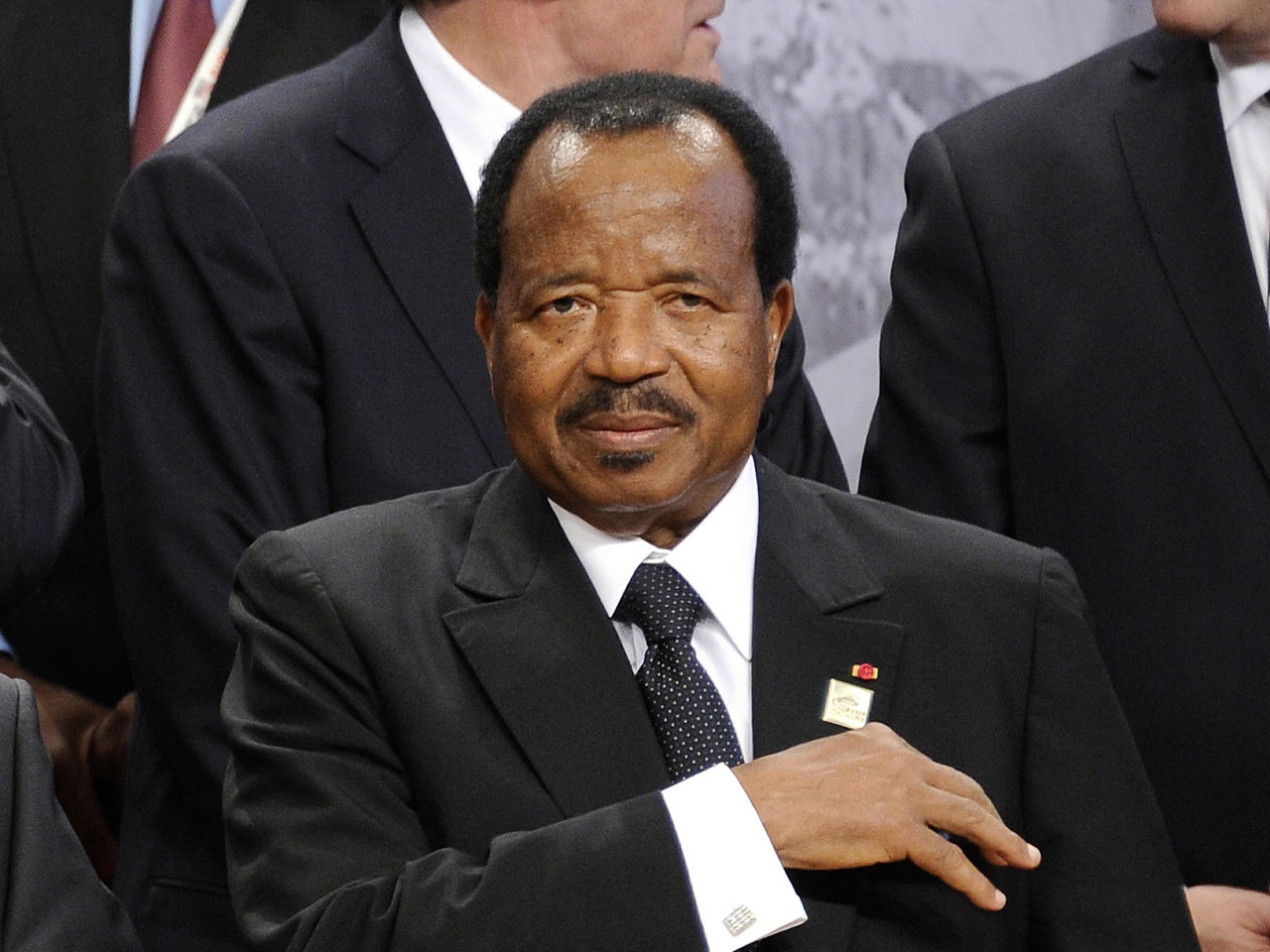

Yaoundé – As the clock strikes 09:53 PM GMT on Sunday, July 13, 2025, the political landscape of Cameroon is once again thrust into the global spotlight with the announcement that 92-year-old President Paul Biya intends to seek an eighth term in the upcoming presidential election scheduled for October 12, 2025. This bold declaration underscores a remarkable and contentious 43-year reign that began in 1982 when he succeeded Ahmadou Ahidjo following the latter’s resignation amid a failed coup attempt. Biya’s potential to remain in power until his 100th birthday, should he win and complete this seven-year mandate, challenges conventional notions of leadership succession and longevity, a topic that resonates deeply across a continent where long tenures have become a defining feature of political life.
Biya’s tenure, now the second-longest in Africa after Equatorial Guinea’s Teodoro Obiang, reflects a broader trend where only 20% of African states have experienced peaceful power transitions since 1960. His rise to power was marked by stability after a turbulent period, but his grip has been maintained through mechanisms that have drawn significant criticism. The 2018 election, where he secured 71.3% of the vote, was marred by allegations of fraud and voter intimidation, a claim echoed by opposition leaders and international observers. This pattern of contested elections aligns with the implementation of a 2014 anti-terrorism law that allowed military tribunals to try civilians, a move condemned for leaving detainees with virtually no procedural guarantees. The infamous Kondengui prison in Yaoundé stands as a stark symbol of this repression, where thousands have been detained and tortured as Biya seeks to suppress dissent, particularly from the English-speaking regions agitating for secession.
The president’s recent announcement comes with a pledge to prioritize the well-being of Cameroon’s youth and women, a statement met with skepticism given his long absence from public life. Last year, a 42-day disappearance sparked widespread speculation about his health, prompting the government to impose a ban on such discussions—a move that echoes his 2024 absence after attending a China-Africa forum in Beijing. Communications officials dismissed these concerns as “pure fantasy,” yet the ban, enforced with threats of legal action, has only fueled public unease. Analysts argue that these prolonged absences create a governance vacuum, eroding trust and exacerbating challenges like the ongoing Anglophone conflict and economic instability. A medical analysis suggests that leaders over 80 face a 30% higher risk of cognitive decline, raising questions about Biya’s capacity to lead effectively.
Reactions to this development range from incredulity to outright condemnation, with many questioning the legitimacy of past electoral wins and predicting he may not survive another term. Some label him selfish, a sentiment expanded upon by those noting his apparent lifelong attachment to the presidency. The youth, comprising 30-40% of Cameroon’s population aged 15-24, are seen as a potential wildcard, though historical suppression suggests the odds favor the incumbent. This narrative is further complicated by his frequent health-related trips abroad, a practice criticized as emblematic of African leaders’ reliance on foreign medical care over local infrastructure.

The international community watches closely as Cameroon navigates this critical juncture. Biya’s rule has coincided with significant internal strife, including the unresolved Anglophone crisis that escalated into war in 2017 and the spillover violence from Boko Haram in the north. His government’s response—marked by military crackdowns and media censorship—mirrors colonial-era tactics. Yet, his assertion that “the best is still to come” rings hollow to many, given the country’s economic challenges and the lack of a clear succession plan. As the October election approaches, the world will witness whether Cameroon’s over 10 million young voters can stage a surprise or if the entrenched power structure will prevail, perpetuating a legacy that blends resilience with controversy.