

March 22, 2026
Bolaji Abdullahi warns that Nigeria faces a harder battle ousting Tinubu than a military dictator
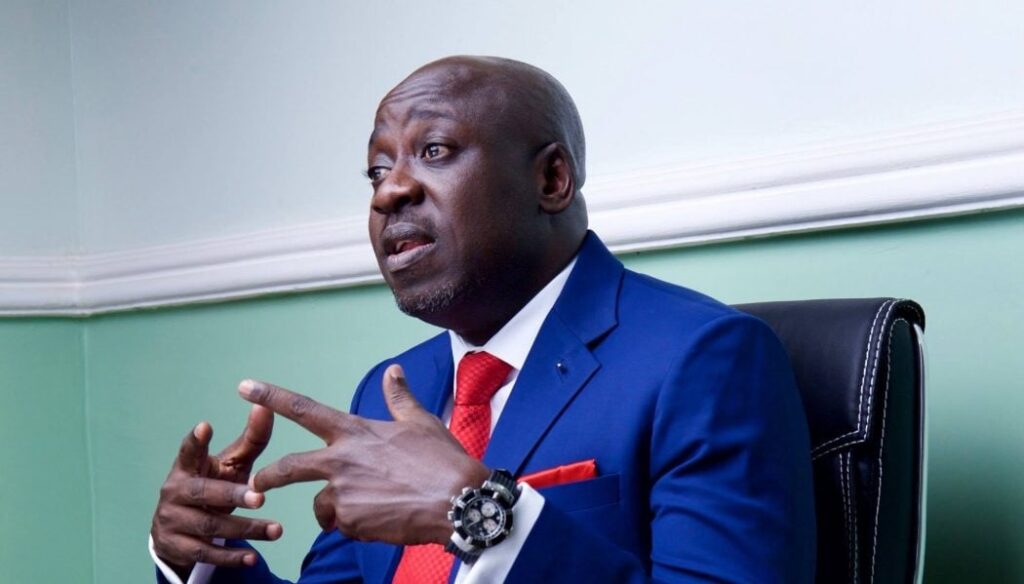

The African Democratic Congress (ADC) has issued a stinging assessment of Nigeria’s current political landscape, arguing that President Bola Ahmed Tinubu’s administration represents a unique challenge to democratic survival. Bolaji Abdullahi, the party’s National Publicity Secretary, contends that while military regimes are inherently illegitimate and thus easier to confront, a failing civilian government uses the shield of “democratic mandate” to entrench itself.
The Legitimacy Trap
According to Abdullahi, the difficulty in challenging the current administration lies in its claim to electoral legality. He argues that a military junta is fundamentally an interloper, making any move to remove it a legitimate act of liberation. In contrast, a civilian government—regardless of its performance—can point to the ballot box as justification for its continued stay in power. This creates a paradox where the tools of democracy are used to protect a government that may be failing the people.
Erosion of Ethical Standards
The ADC spokesman directed heavy fire at the All Progressives Congress (APC), accusing the ruling party of dismantling Nigeria’s moral and ethical foundations. He pointed specifically to legislative shifts that appear to lower the bar for public office holders.
- Legalized Forgery: Abdullahi questioned how the National Assembly could justify laws that diminish the consequences for certificate forgery in election disputes.
- Systemic Decay: He warned that these legislative choices send a devastating message to the younger generation about the value of integrity and truth in public life.
The Silence of the Watchdogs
Beyond criticizing the government, Abdullahi expressed deep concern over the perceived “demoralization” of the Nigerian civic space. He noted a visible retreat by the media and opposition parties, comparing the current silence to the vibrant resistance seen during previous eras of struggle, such as the Abacha regime.

For Abdullahi, the path forward remains narrow. He insists that despite the difficulties, Nigerians must rely on constitutional tools—protest and the electoral process—to reclaim their sovereignty. He stressed that when elected representatives conspire against the electorate, the responsibility falls back on the citizens to utilize their remaining democratic rights to demand accountability.