

July 22, 2026
Bank of Ghana keeps policy rate unchanged at 14%
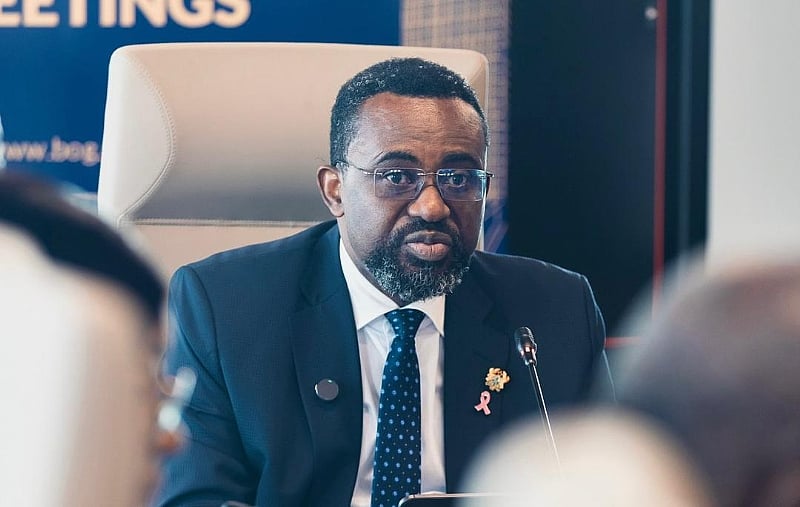


Bank of Ghana keeps policy rate unchanged at 14%
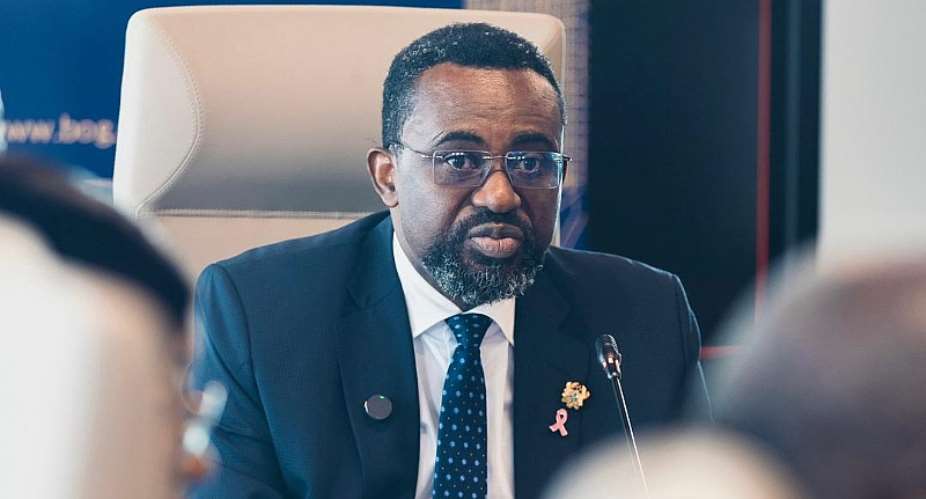
The Bank of Ghana (BoG) has maintained its Monetary Policy Rate at 14 per cent following the latest meeting of its Monetary Policy Committee (MPC), citing rising global uncertainties and emerging inflationary risks linked to the renewed conflict in the Middle East.
The decision was announced by the Governor of the Bank of Ghana, Dr. Johnson Pandit Asiamah, at a media briefing in Accra on Wednesday, July 22, after the MPC’s review of global and domestic economic conditions.
The Governor said although Ghana’s economy continues to record strong growth, with inflation remaining below the central bank’s medium-term target band, the Committee considered it prudent to keep the policy rate unchanged and keep monitoring external developments.
“Given these considerations, the Committee, by a unanimous decision, maintained the Monetary Policy Rate at 14.0 per cent. The Committee judged that the current policy stance remains appropriate to guide inflation into the medium-term target band while allowing time to assess the evolving geopolitical developments and their potential impact on the domestic economy,” Dr. Asiamah said.
According to him, Ghana’s economy expanded by 6.4 per cent in the first quarter of 2026, driven by the services and industry sectors.
He added that business and consumer confidence remained positive, while private sector credit, international trade, industrial production and tourism continued to support economic activity.
Dr. Asiamah also noted that headline inflation rose from 3.7 per cent in May to 5.3 per cent in June, largely due to temporary increases in transport costs following higher global crude oil prices.
He said inflation expectations remain broadly anchored despite the recent uptick.
The Governor further stated that the country’s external sector remained resilient, recording a trade surplus of $8.8 billion and gross international reserves of $12.9 billion, equivalent to five months of import cover at the end of June.
“The renewed Middle East conflict and associated disruption of trade routes have reignited volatility in energy markets. These developments could disrupt global supply chains and dampen global growth,” he said.
The next meeting of the Monetary Policy Committee, according to the central bank, is scheduled for September 22 to 24.

Isaac Donkor Distinguished
Is a journalist with a keen interest in politics, current affairs, and social issuesPage: isaac-donkor-distinguished

Top Stories


4 hours ago


Originally published on www.modernghana.com
