

March 17, 2026
Bank of Ghana Governor warns that Ghana’s record 14.5 billion dollar reserve surge faces a volatile global breaking point
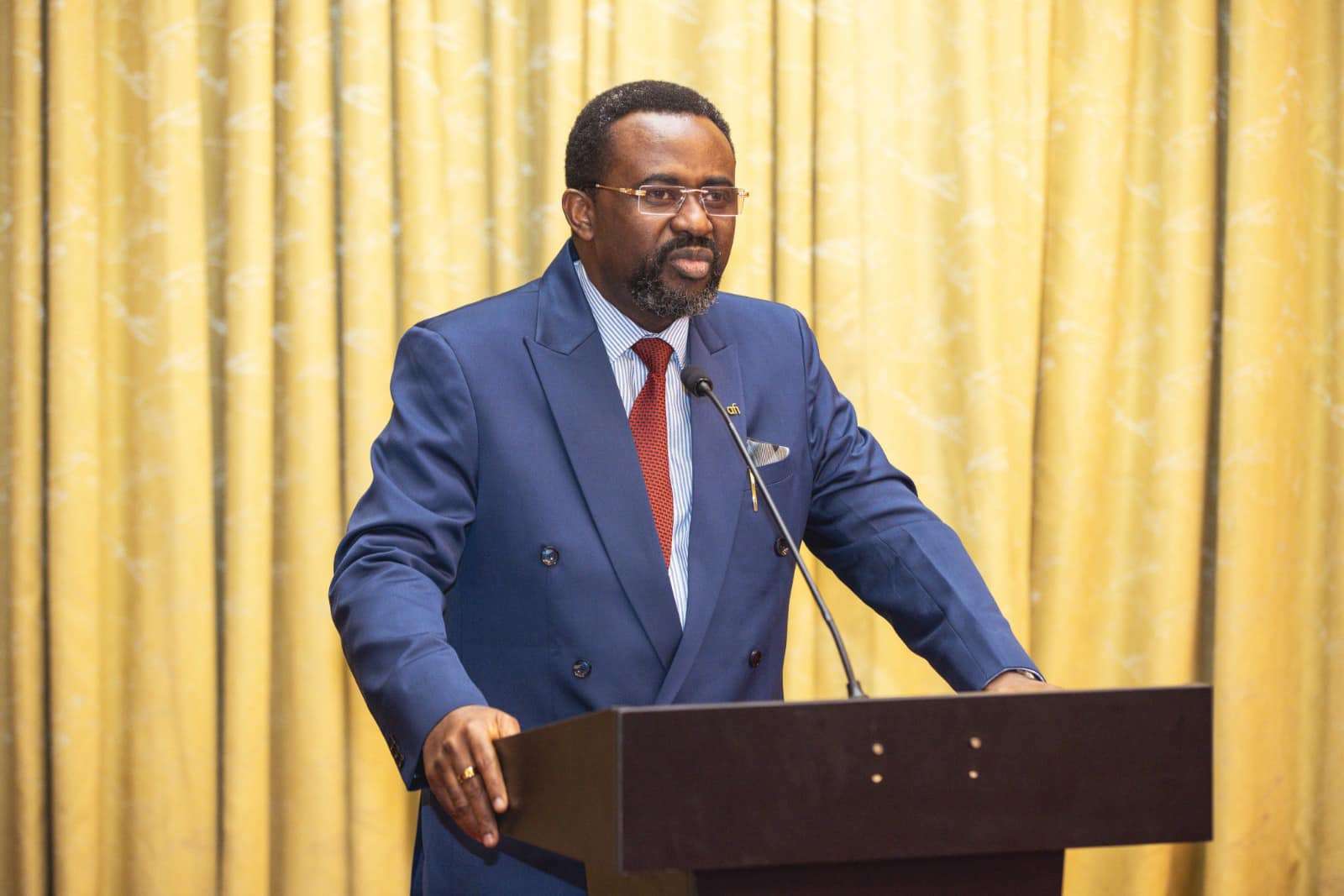
Ghana’s economic landscape is witnessing a dramatic shift as the country’s international reserves climbed to a staggering $14.5 billion, yet the man at the helm of the central bank is sounding a sophisticated note of caution. Bank of Ghana Governor Dr. Johnson Pandit Asiama revealed at the 129th Monetary Policy Committee meeting in Accra that while the nation’s financial buffers are healthier than they have been in years, a perfect storm of global instability threatens to undo these hard-won gains.
The numbers tell a story of rapid domestic recovery. Inflation has plummeted to a mere 3.3 percent as of February 2026, marking over a year of consistent decline. This puts price growth well below the official target and represents a milestone that Dr. Asiama admitted was once considered merely “aspirational.” The current reserve level now covers nearly six months of imports, providing a robust shield against external shocks that was absent in previous cycles.
However, this domestic success is being shadowed by an increasingly fractured international climate. The Governor pointed to escalating tensions in the Middle East as a primary risk factor that could disrupt energy markets and shipping routes. While Ghana typically benefits from the high gold prices that accompany global fear, the threat of “imported inflation” from rising oil costs remains a significant hurdle. If energy prices continue to swing wildly, the Bank of Ghana may be forced to tighten monetary policy, potentially slowing the very momentum that has seen the economy grow by over 8 percent this year.
The government is also doubling down on long-term security through the Ghana Accelerated National Reserve Accumulation Programme. This ambitious initiative aims to push reserves to an unprecedented 15 months of import cover by 2028. While Dr. Asiama noted this would solidify national resilience, he acknowledged that managing such a massive influx of liquidity requires a delicate balancing act to ensure the central bank’s balance sheet remains stable.
As the banking sector reports high profitability and improved asset quality, the Monetary Policy Committee finds itself at a crossroads. The Governor framed the current challenge not as a celebration of past success, but as a strategic defense of the progress made. Policymakers must now decide how to navigate a future where domestic strength meets global volatility, ensuring that Ghana’s disciplined economic path is not derailed by forces beyond its borders.
